admin
admin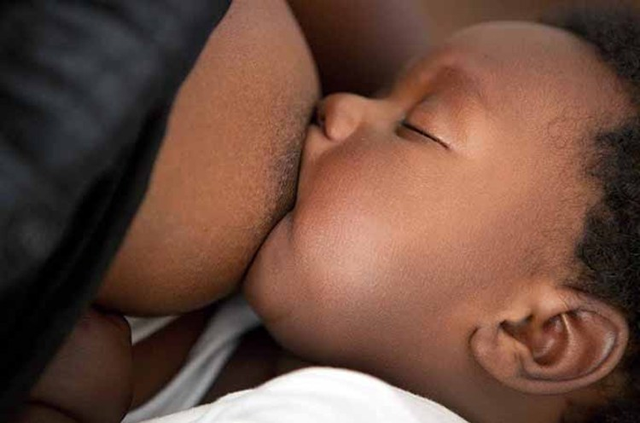
Ivan Zhakata
Herald Correspondent
In light of low breastfeeding rates in the country, the Government of Zimbabwe in partnership with UNICEF and the World Health Organisation are calling for a multi-faceted approach to breastfeeding.
Despite the country’s established policies and structures to promote breastfeeding, many mothers lack the necessary support to successfully initiate and continue breastfeeding.
As the world observes World Breastfeeding Week from August 1 to 7, the Ministry of Health and Child Care, WHO and UNICEF have released a joint statement saying only 42 percent of Zimbabwean infants were exclusively breastfed for the crucial first six months of life.
This falls short of the global target of 70 percent by 2030.
The statement says the shortfall is alarming given the immense benefits of breastfeeding for both mother and child, including improved immunity, cognitive development, and reduced risk of chronic diseases.
“Several factors contribute to this issue. Aggressive marketing of breast milk substitutes, often misleadingly promoted as superior to breast milk, has eroded public trust in breastfeeding,” reads part of the statement.
“Additionally, a lack of comprehensive breastfeeding support for mothers, particularly working mothers, those living in poverty, and those with disabilities, has hindered progress.”
To address this issue, the Government, in collaboration with UNICEF and WHO, is calling for a multi-faceted approach.
This includes strengthening legislation to regulate the marketing of breast milk substitutes, improving healthcare systems to provide better breastfeeding support, and launching targeted awareness campaigns.
“Creating breastfeeding-friendly workplaces and enhancing maternity protection are also essential steps. By investing in breastfeeding support, Zimbabwe can improve child health outcomes, reduce healthcare costs and contribute to a more equitable society,” reads the statement.



 Online Reporter