Online Reporter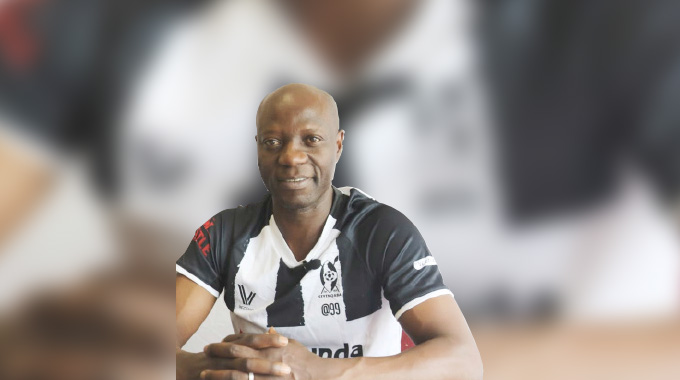
Innocent Kurira
BENJANI Mwaruwari’s return to Highlanders is the kind of story football romantics wait a lifetime for.
A son of the soil comes home, not as a boy chasing a dream, but as a man entrusted with the soul of a giant club.
The black and white jersey fits him symbolically now more than it ever did in his junior years.
Yet beneath the emotion, applause and nostalgia lies a far heavier question, can Benjani carry the enormous weight that comes with leading Highlanders at this moment in its history?
Their 100th year of existence.
There is no debate about what Benjani represents.
He is one of Zimbabwe football’s most recognisable exports, a former Warriors captain who walked the demanding stages of European football and emerged with his credibility intact.
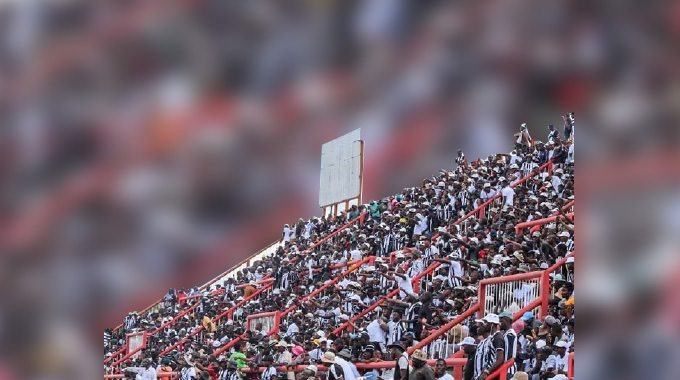
His very presence has reignited belief among the Highlanders faithful, a fan base starved of trophies but never of passion.
His words about winning silverware and restoring Highlanders’ glory resonate deeply in a city where football is identity, culture and inheritance.
But Highlanders is not a club sustained by romance alone.
This is a club burdened by expectation, haunted by near-misses and impatient with rebuilding narratives.
Benjani arrives not into a vacuum, but into an environment where every decision is scrutinised, every dropped point magnified and every promise remembered.
To coach Bosso is not simply to select teams and devise tactics; it is to manage pressure that has broken more experienced men.
The mixed feelings around his appointment are therefore understandable.
For some, Benjani’s return is destiny fulfilled a prodigal son finally given the keys to the family house.
For others, doubts linger quietly but persistently. His coaching résumé is still relatively young, especially when weighed against the size of the task before him. Highlanders is not a developmental project; it is a results-driven institution.
The badge demands immediate competitiveness, even when the squad may not yet be ready.
Benjani himself has not shied away from this reality. He has spoken openly about inheriting a team assembled under difficult circumstances, about entering the transfer market late, and about the patience required to build something meaningful.
Yet patience is a rare currency at Bosso. History shows that good intentions are not enough to buy time.
Complicating matters further is the sudden surge of off-field support.
Wicknell Chivayo’s financial injection, the luxury team bus and the promise of stability are undeniable boosts.
However, they also raise the stakes. With resources come expectations, and with expectations come fewer excuses.
The narrative has already shifted from survival to silverware, from rebuilding to celebrating a centenary with trophies.
That is the real weight Benjani must carry.
He must balance emotion with authority, legacy with modern demands, and belief with realism.
He must convince sceptics without alienating dreamers, and deliver progress without hiding behind sentiment.
Most critically, he must translate goodwill into results because at Highlanders, love is conditional on performance.
In many ways, Benjani’s own story mirrors the challenge ahead.
So the question remains, lingering over Barbourfields and echoing through Bulawayo’s streets: Can Benjani Mwaruwari shoulder the emotional, historical and competitive weight of Highlanders or will the weight prove heavier than the romance of his return?