Online Reporter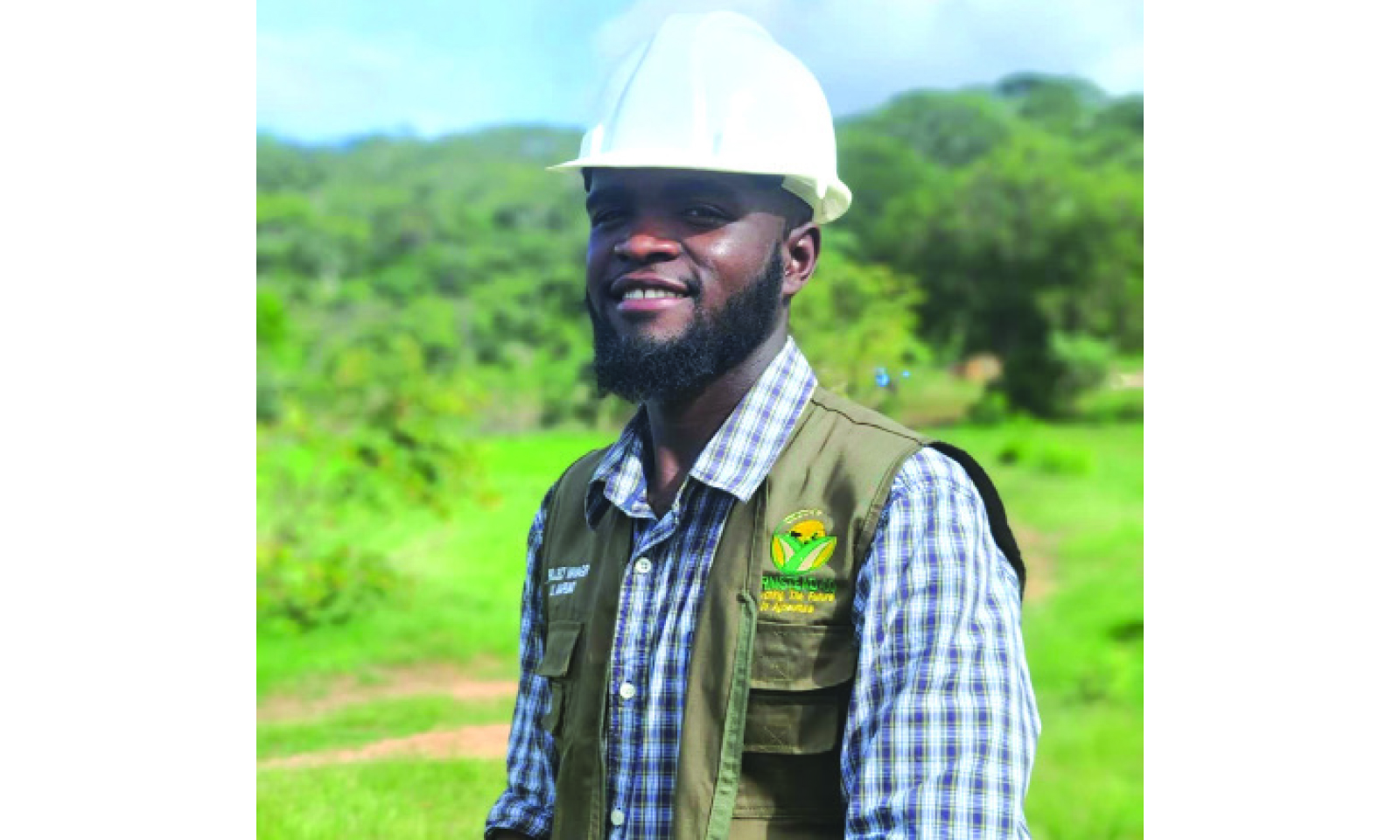
Richard Muponde
Zimpapers Politics Hub
NAVIGATING the complex terrain of energy security remains a critical challenge for Zimbabwe, defined by recurrent power shortages and the millions of dollars spent on fuel imports.
This reality compels a strategic search for resilient, domestically sourced energy alternatives that align with broader sustainable development goals.
Concurrently, managing organic waste streams from agriculture, municipalities, and industries presents its own set of environmental and logistical hurdles.
It is at the confluence of these challenges — energy deficits, import dependency, and waste management — that bioenergy solutions, particularly the production of biogas through anaerobic digestion, emerge as an increasingly compelling proposition.
Harnessing organic matter locally offers a pathway not only to generate versatile energy for electricity, heating, and potentially cleaner transport fuel but also to transform problematic waste into valuable resources, embodying a move towards greater energy autonomy and a greener economic model.
Exploring this potential in practical terms, initiatives are now beginning to take shape, exemplified by local investors.
Early this month, Zimbabwe hosted the International Renewable Energy Conference in Victoria Falls.
Energy and Power Development Minister July Moyo highlighted that “Zimbabwe should prioritise the exploitation of renewable energy sources.”
He said the National Energy Efficiency Policy aims to promote optimal supply and utilisation of energy for socio-economic development, whilst also working with local and international investors.
Some of the local investors are already championing the use of biogas — derived from organic waste – not only to generate much-needed electricity for the national grid but also to produce upgraded biomethane as a cleaner fuel source for public transportation.
This dual approach represents more than just a single company’s venture; it signifies a potentially crucial alignment of environmental goals, economic development aspirations, and practical solutions to the nation’s pressing energy and transport challenges.
The significance of this push lies in its potential to tackle multiple national priorities simultaneously. Biogas technology, particularly when yielding biomethane suitable for vehicles (as Bio-CNG or Bio-LNG), offers a tangible alternative to imported fossil fuels, potentially reducing foreign currency expenditure and mitigating transport-related emissions.
Furthermore, generating electricity from biogas could supplement the strained national grid, alleviating the load shedding that hampers industrial productivity and daily life.
In an interview, Mr Innocent Mapfumo, the chief executive of Farmstead Energy, one of the companies that has invested in biogas technology, said Zimbabwe has a lot of potential to flourish in that area.
Zimbabwe, Mr Mapfumo said, can lessen fossil fuel dependency while concurrently stimulating job creation and economic growth within a green framework.
This initiative emerges against a backdrop of clear Government emphasis on renewable energy. President Mnangagwa has repeatedly highlighted the imperative of transitioning to cleaner energy sources, both to combat climate change, noting the energy sector’s significant contribution to global emissions, and to unlock new avenues for industrialisation and “green jobs,” as stated during the COP29 roundtable in November last year.
Mr Moyo said Farmstead Energy’s vision directly resonates with these stated national objectives, seeking to transform agricultural and potentially municipal waste streams into valuable energy resources.
“The biogas industry is poised for significant growth as countries seek to reduce their carbon footprint and transition to cleaner energy sources,” Mr Mapfumo told Zimpapers Politics Hub, underscoring the burgeoning global and local interest.
He detailed the versatility of biogas: generating electricity and heat for farms and rural industries, powering irrigation systems critical for food security, providing renewable natural gas for heavy-duty transport like trucks and buses, and offering cleaner cooking fuel alternatives to firewood and charcoal for households.
The practical application of biogas isn’t entirely new territory in Zimbabwe, lending credence to the scalability of Farmstead’s ambitions. Notable existing projects, such as the extensive deployment of 150 biogas digesters benefiting 90 households in Hakwata village, Chipinge, and similar initiatives in Chimanimani District, demonstrate grassroots adoption. Chipinge Town Council’s own project, converting marketplace waste into methane for local businesses and homes, further illustrates the potential for decentralised energy solutions.
However, scaling these initiatives to significantly impact the national grid or the public transport fleet requires overcoming substantial hurdles. Mr Mapfumo stressed the need for a supportive ecosystem, urging the Government to foster Public-Private Partnerships (PPPs) and potentially establish dedicated funding mechanisms for biogas projects.
“The Government should also establish a national biogas policy and strategy to provide a clear direction and framework for the industry,” he advised, adding that financial incentives like grants, subsidies, or low-interest loans, coupled with capacity building and training programmes, are crucial catalysts for sector growth.
Farmstead Energy frames its commitment as aiming for a positive environmental impact and community improvement, often locating projects in rural areas. Looking ahead, the trajectory for biogas uptake in Zimbabwe appears positive, driven by the compelling need to meet national emission reduction targets (potentially aligning with the World Biogas Association’s goal of a 10 percent global GHG emission cut via anaerobic digestion by 2030) and the ever-present demand for reliable, affordable energy.
The success of ventures like Farmstead Energy’s could prove pivotal in determining whether biogas transitions from a niche solution to a mainstream contributor to Zimbabwe’s energy and economic future.
Biogas holds significant promise for Zimbabwe, offering solutions for energy deficits, waste management, agricultural enhancement, and climate action.
The existing projects demonstrate its viability.
However, realising this potential on a larger scale necessitates overcoming financial barriers, developing technical capacity, ensuring robust supply chains, and establishing supportive policies and standards.