Chronicle Editor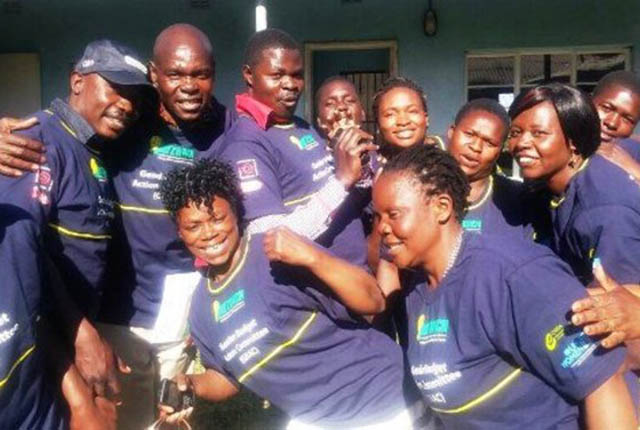
Yolanda Ndlovu: Correspondent
In the eastern part of Zimbabwe lies a small town with a population of approximately 146 000 people that has made major strides in the area of service delivery and development. Mutoko district, known for its granite resources, has made significant steps to address the strategic needs of women and men, boys and girls through gender budgeting.In 2011, Mutoko Rural District Council was introduced to gender budgeting and the recognition for targeted service delivery interventions have seen developments since then, including an increase in the construction of schools and boreholes.
The programme contributed towards changing the mindsets of local authorities and making them realise the advantage of planning with the people. Gender budgeting has assisted the local council in recognising “red flags” that were affecting development in the community.
Although there are a lot of opportunities for mining investment in Mutoko, gender budgeting provided local authorities with skills to prioritise service delivery particularly basic services such as water and sanitation.
As a result a myriad issues that needed attention were easily recognised including lack of water sources, fewer schools vis-à-vis population and availability of medication and facilities at the local clinic, to deal particularly with women’s needs.
In redressing its budget allocations, Mutoko district council has prioritised the construction of a primary school to accommodate the growing population of children that are unable to secure places after they complete early childhood education.
“Each year, Mutoko has shortages of schools. It is served by eight ECD’s, so when they graduate annually they have to go to faraway places to look for Grade One places and up to 300 or 400 children will not secure Grade 1 places in Mutoko centre schools because there were only two primary schools that were in proximity,” noted councillor Kwanisai Dende.
“So as council we allocated some land for a primary school to be built but funding is a problem. Therefore we went on to request for funding from the Local Community Share Ownership Scheme,” he said.
“We have allocated small amounts per year, about $20 000 for a block to built. Hopefully in January 2017 we are focusing on having one block completed to start intake for Grade 1.”
Gender budgeting does not only capacitate local authorities but also provides skills and resources for development for the community.
It promotes citizens participation and capacity to analyse policies and programmes thus increasing accountability among local authorities.
Fuelled by their interest in advocating for quality service delivery in Mutoko, local residents led by a community-based advocacy group called the Gender Budget Action Committee (GBAC), researched on water and sanitation.
This research yielded the need to repair sewage points.
“As residents we have no money but we know the problems, so we took the problem to council and council got funds from UNICEF,” noted the GBAC member.
Dende, who is councillor for Ward 5, noted that they were able to secure funding from UNICEF to repair the sewer.
“Mutoko is in the process of transitioning from a growth point to a small town, so UNICEF has a Small Town Wash and Sanitation Programme, which we applied and got the funding.
“So as councillors we have to lay out the plan on what needs to be fixed and improved such as the sewer.”
Mutoko was also afflicted by lack of medical facilities for the local clinic, and as an example of targeted steps to address this gap, and meet the specific needs of resource poor women and other marginalised groups, council converted one of its properties into the Chikondoma Clinic.
The council’s gender focal person, Clifton Lunga, pointed out that council responded to the gap in access and affordability of medical facilities that were closer to the community, particularly for women, after being sensitised to the positive role they could play in providing quality health services through gender budgeting.
Mutoko rural district together with four other towns including Bulawayo, Kwekwe, Murehwa and Kadoma was introduced to gender budgeting facilitated by the Zimbabwe Women’s Resource Centre and Network (ZWRCN).
The ZWRCN also established a permanent interlocutor for
the local authorities in the form of Gender Budget Action
Committees (GBACs) made up of People with disabilities (PWDs), People living with HIV (PLWHIV), trade associations, young people, the elderly and other interest groups.
These committees successfully advocated for delivery of services and have potential to strengthen the demand side of governance in local areas.
Kwekwe Councillor Edzai Mupupuni of Ward 13 noted that gender budgeting facilitates participatory engagement which makes it easier to identify gaps and provide quality service.
“We educated our vendors first on citizen participation on council issues, from that they were able to recognise the council as theirs and not of officials.
So we closed the gap between council and residents and formed a relationship,” she said.
“So if they come across a problem they tell me, because know they are able to speak up. It is easier to provide services according to their needs.”



 Online Reporter