Online Reporter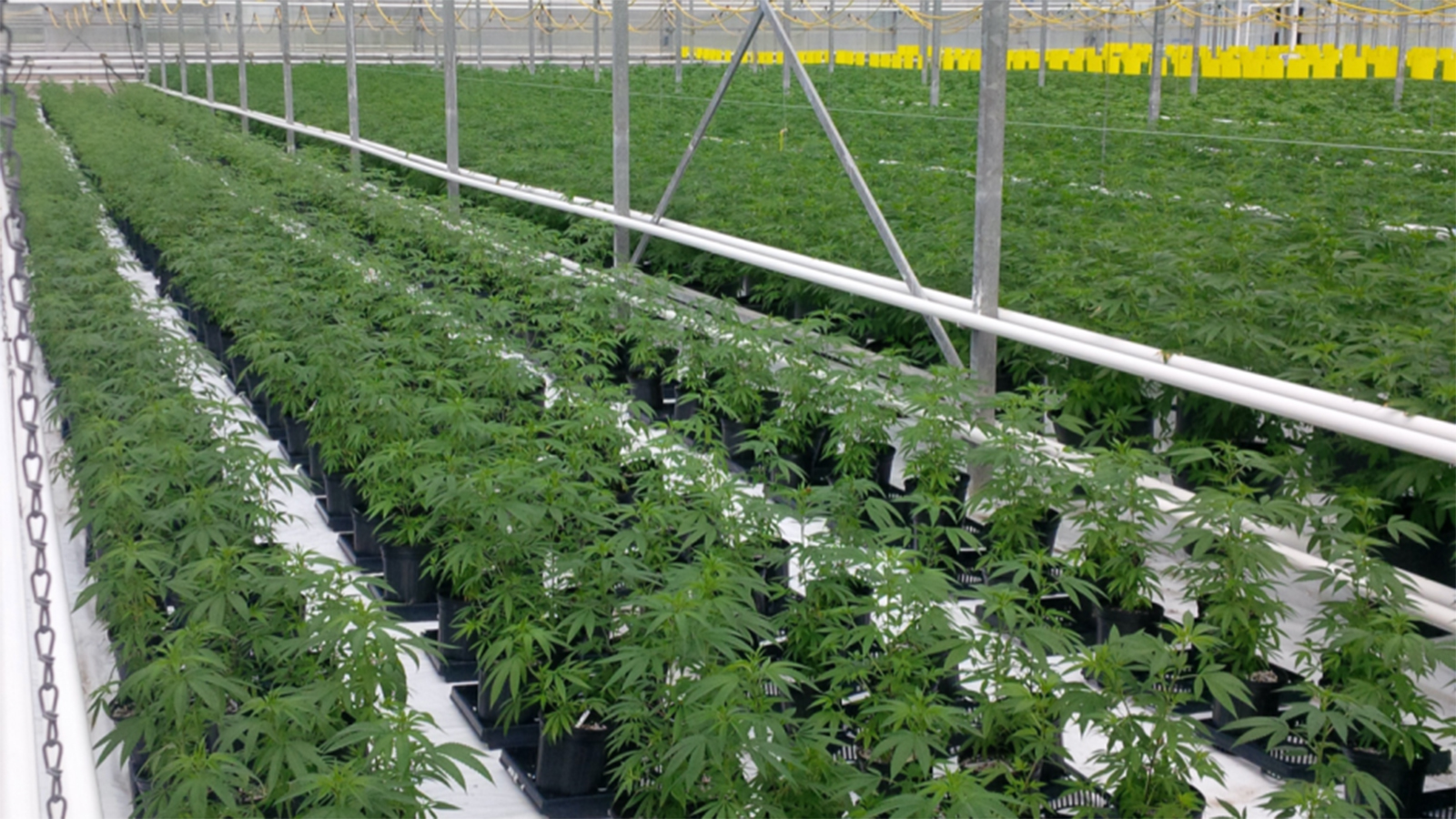
Cannabis is booming as an ingredient in everything from supplementary oils, inflammation-reducing skin creams, lip balms to health drinks and gummy sweets that promise to reduce anxiety and pain and promote relaxation.
The global legal cannabis market is today worth about US$69,78 billion, and this will skyrocket to US$216,76 billion by 2033.
But is this boom benefitting indigenous cannabis farmers in Southern Africa?
They had been growing the plant for hundreds of years before colonial authorities criminalised it in the early 1900s.
Rural people continued to grow it illicitly after that, relying on its medicinal properties.
For many rural households in Southern Africa today, cannabis pays for the family’s food, education and other necessities.
In South Africa, cannabis was prohibited under different laws since 1928.
In Zimbabwe, the Dangerous Drugs Act criminalised cannabis in 1955, and this continued after independence.
But in 2018, this changed.
South Africa’s Constitutional Court decriminalised private use and limited private cultivation of cannabis for personal consumption, while Zimbabwe regulated the cultivation of the plant for medicinal and industrial purposes.
We are social scientists who research cannabis and development in Africa.
We interviewed a wide range of people, from political leaders to illicit growers to cannabis lobbyists and non-governmental organisations to technical people involved in the industry, such as greenhouse installers.
We wanted to uncover the challenges small-scale cannabis farmers faced after cannabis was decriminalised.
Our research found that cannabis reform has continued old patterns of unfairness.
For example, we found that medicinal cannabis production is currently an exclusive business which only well-off businesses can participate in.
Farmers who traditionally cultivated cannabis and sold it when it was still illegal have not been included in the new cannabis industry.
If these problems are not solved, the potential of cannabis to be a tool for development in Zimbabwe and South Africa will remain unfulfilled.
Privacy, rights and the slow turn to reform
South Africa’s move towards legalisation was not triggered by the government but by the courts.
The 2018 Constitutional Court ruling found that criminalising private cannabis use violated the constitutional right to privacy.
The state could not show a good enough reason to interfere with adults doing private things like smoking cannabis by consent, as long as no one else was being harmed.
This decision created a ripple effect. It ignited public debate about personal freedoms.
It also sparked discussion about whether cannabis could help redress historical injustices, create jobs and boost economies in rural areas where the plant has long been cultivated.
Since then, however, reform has been slow and uneven.
The government passed the Cannabis for Private Purposes Act in 2024.
This sets out the amounts of cannabis that individuals can possess and grow. However, most commercial trade is in the tightly regulated medical and hemp sectors (hemp being Cannabis sativa with very low levels of THC, the active psychoactive cannabanoid).
Trade in cannabis outside these sectors is mainly prohibited.
Also, small-scale farmers — many of whom have cultivated cannabis for generations — face high barriers to entering the legal market.
To set up a medicinal cannabis business in South Africa needs a licence from the health products regulatory authority.
The cannabis farm has to meet high-quality standards and comply with strict manufacturing and agricultural practices.
Cannabis farms are also inspected regularly.
Medicinal cannabis businesses estimate that R3 million to R5 million (US$173 000 to US$289 000) is needed to start a farm.
This high cost sidelines the very communities that kept the cannabis industry going when the plant was banned.
Zimbabwe: Cannabis as a cash crop
Zimbabwe’s reform took a different route.
The Government legalised cannabis cultivation in 2018, but only for medicinal and industrial purposes.
Recreational use remains illegal.
The Government’s motivation was for cannabis to complement tobacco as an important cash crop.
Officials projected a billon-dollar industry geared mainly towards exporting cannabis.
In practice, though, only wealthy investors can afford to set up cannabis export businesses.
For example, a five-year medicinal cannabis licence costs US$50 000.
On top of that, cannabis farmers must pay substantial annual inspection fees and licence renewal fees.
Our research also found that the cost of greenhouses prevents small-scale farmers from starting cannabis businesses.
Medicinal cannabis farmers are required to use greenhouses to control temperatures, humidity, pests and contamination.
A greenhouse installer we interviewed said one of their cheaper versions cost US$220 000 for a five-hectare plot.
Unsurprisingly, the main people who have benefitted from cannabis law reform have been established local businesspeople and foreign investors.
Small-scale cannabis farmers — the backbone of Zimbabwe’s cannabis trade for decades — remain excluded.
Some continue to grow it illicitly.
This sustains domestic illegal markets and means these small farmers do not benefit from the promised green gold.
In both countries, corporate capture of the cannabis industry is looming.
Well-capitalised companies, often with international backing, are able to afford the costs of meeting regulatory standards.
They also have the funds to sell cannabis on the export market.
If the cannabis industry is taken over by corporations, profits will be concentrated in a narrow elite rather than growers on the ground.
Both countries are also struggling with the contradiction between reforming cannabis laws and international drug controls which still classify cannabis as a prohibited substance.
This complicates efforts to develop export markets and creates uncertainty for investors.
Why inclusion matters
Excluding smallholder farmers who have cultivated cannabis for decades perpetuates inequality. It also undermines the sustainability of reform, because illicit markets will continue to thrive if ordinary cultivators see no benefit in moving to the legal sector.
More inclusive models are possible.
These could include tiered licensing systems with lower fees for small-scale farmers.
Cannabis producer co-operatives can also enable their participation, as is the case in Morocco.
Communities and commercial investors should partner to strengthen one another.
They can form joint ventures where communities provide labour and knowledge of local climatic conditions and cannabis varieties, while investors provide funds and ensure regulatory compliance.
These ventures would recognise the contribution of traditional cultivators while still ensuring cannabis quality and safety in the legal market.
The next phase of reform in both countries must focus on including small-scale farmers.
Laws must be passed to balance the commercial opportunities that come from selling cannabis with the rights and livelihoods of small-scale cultivators.
Simon Howell is a senior researcher at the Centre of Criminology. He holds a PhD in political philosophy from Rhodes University, South Africa. Clemence Rusenga is a teaching associate at the School of Social Sciences, Cardiff University.