admin
admin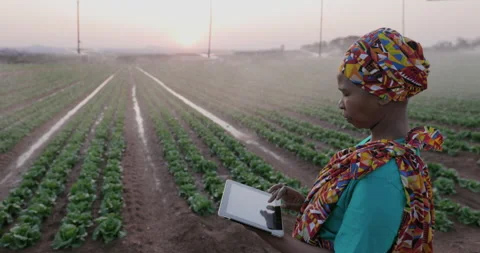
Ray Bande
Senior Reporter
Female farmers are being equipped with skills to ensure food security at household level and enhance livelihoods, thanks to sustainable agriculture organisation, Fambidzanai Perma-Culture Centre.
The organisation was one of the key players in The Manica Post anti-girl child marriage campaign held in Marange on Wednesday.
Fambidzanai Perma-Culture Centre programmes coordinator and specialist agronomist, Mr Shepherd Mudzingwa said: “From our perspective, women are the key drivers of agriculture in the small-holder farming sector because they provide labour, skills and knowledge, while men are taking care for cash crops.
“It is against this background that we feel that if we support women, we are playing a role in increasing agriculture productivity.
“We also feel that capacity building of women using locally available resources is essential in ensuring food security at household level, which will then translate into national, regional and international level.
“The background to it is that back 60 to 70 percent of food producers in the country are women. So women play a pivotal role if supported to increase food production.”
Fambidzanai Perma-culture Centre has supported the capacity building of extension officers with training on sustainable agriculture in Manicaland.
The districts which have benefitted include Buhera, Chimanimani, Chipinge, Makoni, Mutasa, Mutare and Nyanga.
Mr Mudzingwa said: “The programme is a national one, with representation from different provinces and districts. We have used radio as an extension tool to impart knowledge and skills to small-holder farmers using Farmers Forum Programme.”
Fambidzanai Perma-culture Centre has worked with six partner organisation in Chimanimani to improve access to soil analysis services to small-holder and female farmers in different parts of the province through mobile soil testing.
The organisation has supported fish farming initiatives of farmer groups in Chimanimani and traditional grains in Nyanga.
Fambidzanai Perma-culture Centre has also worked with Bindura University of Science Education to offer the first programme on Agroecology in tertiary education, and is now widening the scope from diploma to degree and higher degrees as well as certificate levels.



 Online Reporter