Online Reporter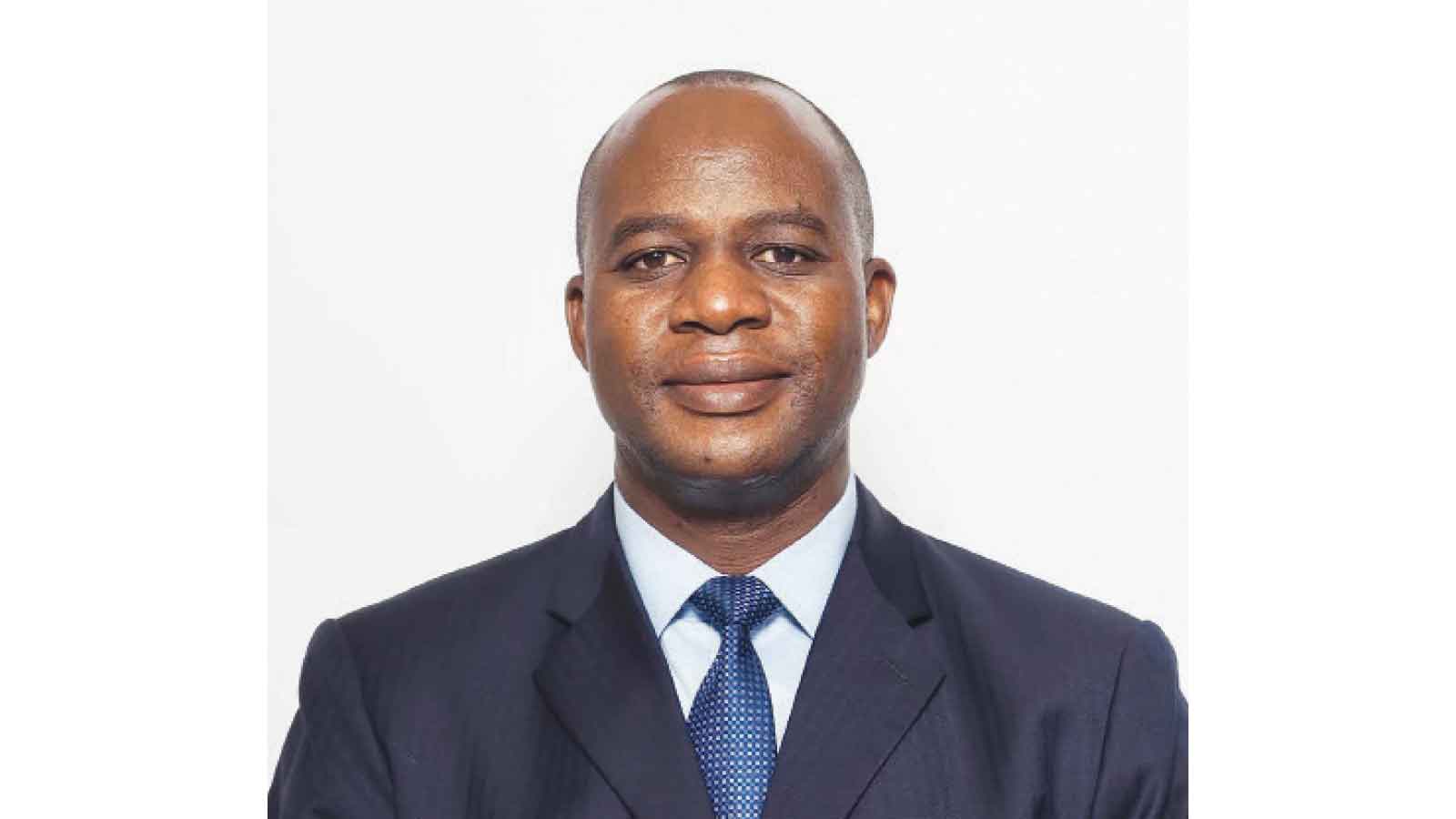
Business Reporter
HARNESSING funds from Zimbabwe’s vast informal sector and channelling them into the formal banking system is now a central pillar of CBZ Holdings’ growth strategy, a senior executive has said.
Zimbabwe’s largest financial services group is looking to unlock billions of dollars circulating outside the mainstream economy.
Group chief executive officer Mr Lawrence Nyazema said bringing informal sector funds into the banking system was not only beneficial to CBZ’s ambitions, but also crucial for building a sustainable and inclusive national economy.
“A key priority remains the integration of informal sector activity into the formal banking system, which is critical for unlocking sustainable growth,” Mr Nyazema said in an interview.
“We have to create solutions that attract those funds into the formal sector so that the two economies integrate.”
Zimbabwe’s economy is heavily informalised, with estimates suggesting that about 70 percent to 80 percent of economic activity takes place outside formal structures.
This translates into billions of dollars circulating in cash or semi-formal channels, often kept outside banks due to trust deficits, high transaction costs and limited access to tailored financial products.
Analysts estimate that as much as US$5 billion could be held outside the formal banking system, a figure higher than the country’s official deposit base of about US$4,8 billion across the entire banking sector.
Mr Nyazema said this structural imbalance has long constrained lending capacity and broader economic growth, adding that bridging this gap is essential for Zimbabwe to build a resilient financial system capable of supporting its US$50 billion economy.
“If we have a US$50 billion economy, there is no way we can service it with just US$5 billion in deposits, hence the need for us to continue attracting those funds into the formal system,” he said.
Mr Nyazema highlighted that CBZ was pursuing a multi-pronged approach aimed at making banking more accessible, relevant and attractive to informal sector players, and small and medium enterprises (SMEs).
Central to this strategy, he said, is product innovation that aligns with the realities of informal income streams, which are often irregular and undocumented.
Mr Nyazema said the bank was moving away from rigid lending models that rely heavily on payslips, instead focusing on behavioural and transactional data to assess creditworthiness.
“It’s not about asking for a payslip. It’s about saying, “What do you want, and can you demonstrate that over a period of time you will be able to make good on your commitment?” he said.
Mr Nyazema highlighted that housing finance has emerged as one of the most effective entry points for formalising informal sector funds. As individuals purchase residential stands, they often mobilise cash savings held outside the banking system.
“When you sell a stand, somebody brings their money from under their mattress and makes a deposit. Then every month, perhaps for the next five years, they will be bringing whatever they make in the informal sector to pay for their stand. This creates a sustained flow of deposits into the banking system while gradually integrating customers into formal financial channels,” he said.
CBZ, through its subsidiary, Datvest, embarked on a US$150 million housing project, Northgate, a mixed-use residential park with 8 000 units. The project will consist of upmarket flats, low- and high-density residences, cluster houses, schools, a large hospital and a shopping mall.
Mr Nyazema said the group was leveraging its involvement in social infrastructure projects, such as prepaid water metering systems, to deepen financial inclusion. These initiatives create structured payment systems that require users to interact with formal financial platforms.
Further, CBZ has invested heavily in digital payments infrastructure, particularly point-of-sale (POS) systems, where it commands roughly 35 percent of the market.
“The expansion of POS networks is seen as critical in reducing cash dependency and encouraging electronic transactions among small businesses,” he said.
Zimbabwean banks recently agreed with the central bank to cut cash withdrawal charges and lower POS transaction costs, a move aimed at addressing longstanding complaints from customers.
Before the latest developments, banking charges in Zimbabwe were considered very high and often described as exorbitant, significantly impacting income, with fees that can consume 4 percent to 9 percent of a salary.
Monthly account maintenance fees generally ranged from US$2,75 to US$6, while cash withdrawals incurred charges of 2,5 percent to 3,75 percent, and RTGS transfers cost up to 2 percent.
Mr Nyazema said more needs to be done, particularly regarding the intermediated money transfer tax (IMTT).
“We continue to encourage the Ministry of Finance, Economic Development and Investment Promotion to review the IMTT charges,” he said.
“For us to get the full advantage of these reductions, the whole ecosystem must look at the charging structure.”
Across Zimbabwe’s financial services industry, banks and fintech firms are increasingly tailoring products to capture the informal market.
Several banks have expanded agency banking models, allowing customers to deposit and withdraw funds through local merchants, thereby extending financial services to underserved communities.
Mobile money platforms have also played a significant role in bridging the gap between informal and formal systems. These platforms offer a convenient entry point for users who may be hesitant to engage with traditional banks.
Microfinance institutions, meanwhile, have stepped up lending to SMEs and informal traders, often using alternative credit scoring models based on transaction histories rather than formal documentation.
Financial technology companies are accelerating this shift by providing digital wallets, merchant payment solutions and low-cost remittance The Government has also intensified efforts to bring informal businesses into the formal economy through reviewing licensing fees and regulatory costs in an attempt to lower barriers to entry.
Mr Nyazema welcomed the reforms, noting that the reduction in the cost of doing business is already having a positive impact.
At the same time, the Government has sought to enhance tax compliance and broaden the revenue base by encouraging informal businesses to register and transact through formal channels.