Online Reporter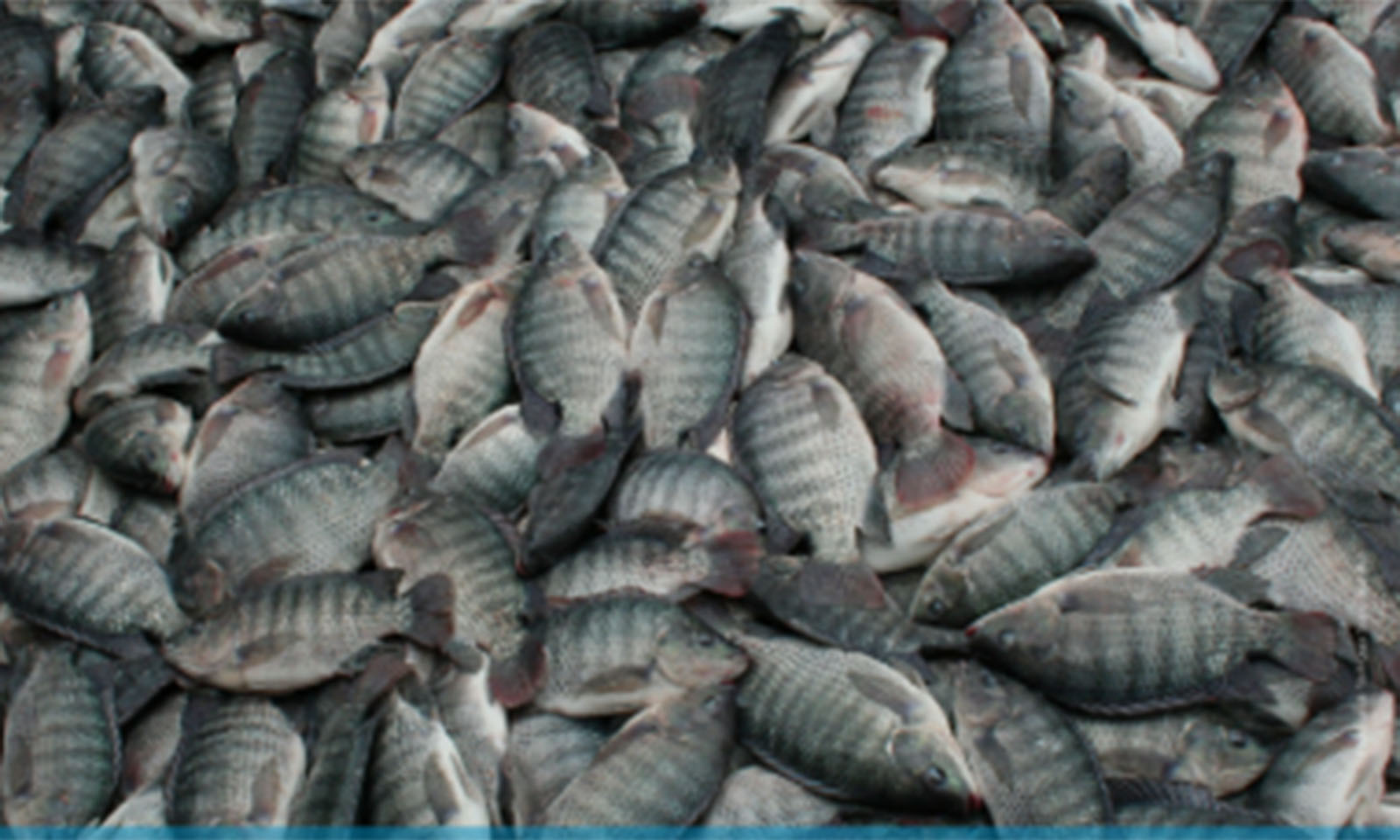
Word From The Market
Tina Nleya
IF there is one thing becoming increasingly clear in Zimbabwe’s agriculture sector, it is this: Fish farming is no longer just a side activity.
It is fast becoming a serious business opportunity. As pressure continues to build on natural water bodies due to climate change, overfishing and declining water levels, aquaculture is stepping in to fill a very real gap.
And at the centre of it all is tilapia.
The recent launch of the Zimbabwe Tilapia Value Chain Market Strategy (2026-2030) by the Agricultural Marketing Authority (AMA) is, therefore, both timely and important.
It gives farmers, investors and other stakeholders something we have often lacked: a clear direction on how to grow this sector in a practical, market-focused way.
But beyond the policy and strategy documents, what does this really mean for the ordinary farmer?
A market that is already waiting
Let us put things into perspective. Zimbabwe is currently producing about 35 500 tonnes of fish each year, and this figure is inclusive of captured fish, yet the country needs around 60 000 tonnes to meet demand.
That leaves a gap of close to 24 500 tonnes.
In simple terms, there is more demand than supply. Right now, imports are filling that gap. You will find imported fish in many outlets, often cheaper than locally produced fish.
That alone tells us something important: the market exists, but local production is not yet fully organised to take advantage of it.
For anyone thinking about getting into fish farming, that should immediately catch your attention.
Why aren’t farmers fully benefitting yet?
This is where we need to be honest about the challenges. Many farmers will tell you that producing fish is not the biggest problem, but producing profitably is.
Feed is expensive. Good quality fingerlings are not always easy to access. Sometimes you have to travel long distances just to get inputs.
Then there are energy costs, water management issues and limited access to affordable financing. All these factors push up the cost of production. And when your fish has to compete with cheaper imports, margins become tight.
This is why the new strategy places a strong focus on fixing these foundational issues. Without addressing costs, it becomes very difficult for farmers to scale.
The hidden challenge
What happens after harvest?
Another issue that does not get enough attention is what happens after the fish is ready for the market.
Many farmers harvest and immediately need to sell their fish, not because they want to, but because there are no storage facilities.
Without cold rooms or proper transport, fish cannot stay fresh for long. This forces farmers into quick sales, often at lower prices. In some cases, buyers take advantage of this situation.
This is where the idea of cold chain infrastructure becomes very important.
Facilities like the proposed Mutare Cold Room Unit are not just technical investments; they are income stabilisers. They give farmers time, flexibility and bargaining power.
The “one farmer” challenge
Another reality is that many fish farmers are working alone.
While this may be manageable at a small scale, it becomes a limitation when trying to access bigger markets.
Supermarkets, restaurants and hotels are not looking for occasional supply; they want consistency.
They want to know that every week, they can receive the same quality, the same size and the same quantity.
For an individual farmer, that can be difficult. This is why farmers are advised to organise themselves into groups or clusters. When farmers come together, they can combine volumes, share resources and meet market demands more effectively.
It also becomes easier to access financing and training as a group than as individuals.
Thinking beyond just selling fish
Traditionally, most farmers sell whole fish. It is straightforward and requires minimal processing. But it also means leaving money on the table.
There is growing demand for fillets, smoked fish and ready-to-cook products — especially in urban areas and the hospitality sector.
The strategy encourages farmers to gradually move in this direction.
Not overnight, but step by step:
First, improve the quality and consistency of whole fish
Move into basic processing like gutting and portioning
Eventually explore higher-value products like fillets
This shift is important because it changes how farmers think — from simply producing fish to running a business within a value chain.
Producing with the market in mind
One of the biggest mindset shifts introduced by this strategy is simple but powerful: Do not just produce — produce for a specific market. In the past, many farmers would rear fish and only start looking for buyers once the fish were ready.
That often led to frustration. Now the approach is different.
Ask yourself:
Who do I want to sell to?
What size of fish do they prefer?
How often do they need supplies?
For example, the market generally prefers fish weighing between 300 grammes and 600 grammes.
Knowing this helps farmers plan stocking, feeding and harvesting more strategically.
A sector getting serious attention
One encouraging sign is the level of commitment from different stakeholders. At the launch of the strategy, there was strong representation from the Government, financial institutions, development partners and the private sector.
This kind of alignment is important because no single player can transform the sector alone.
The Government has also taken steps to support growth, including removing value-added tax (VAT) on fish and reducing some regulatory costs.
These may seem like small changes, but they make a difference on the ground. Fish farming in Zimbabwe is no longer just about digging ponds and stocking fish.
It is about understanding markets, managing costs, maintaining quality and building reliable supply systems. The opportunity is real. The demand is there.
The support structures are beginning to take shape.
Tina Nleya is AMA’s marketing and public relations manager. Contact details: [email protected]. Word From The Market is a column produced by AMA to promote market-driven production.