admin
admin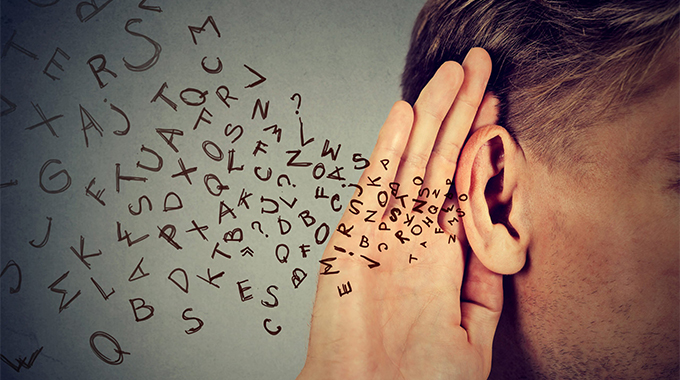
Marilyn Mutize, Correspondent
Every year on March 3, the world observes World Hearing Day, a global initiative aimed at raising awareness about hearing loss, the importance of ear and hearing care, and fostering accessibility for individuals with hearing impairments.
This day provides an opportunity to not only reflect on challenges faced by those with hearing disabilities, but also to celebrate the progress being made in addressing those challenges.
In Zimbabwe, there has been notable progress in ensuring that citizens with hearing impairments are included and catered for across various sectors. The Government, in partnership with various civil society organisations, and international bodies, has been working toward improving the lives of people with hearing impairments.
From education to healthcare and legal protections, Zimbabwe has made significant strides toward fostering inclusivity for people with hearing loss.
In Zimbabwe, issues related to people with disabilities, including hearing impairments, are primarily managed by the Ministry of Public Service, Labour and Social Welfare.
This ministry is responsible for implementing policies that ensure the inclusion of persons with disabilities in all aspects of society, including healthcare, education and employment.
While the country does not have a dedicated ministry for disabilities, the Ministry of Public Service, Labour, and Social Welfare plays a pivotal role in advocating for, and supporting individuals with hearing impairments.
The Disabled Persons Act, passed in 1992, was an essential milestone in promoting the rights of people with disabilities in Zimbabwe.
The Act guarantees individuals with disabilities the right to access services, such as education, healthcare and public facilities, and mandates the creation of environments that accommodate their needs.
However, while the legal framework is in place, challenges remain in terms of enforcement and ensuring that these policies effectively reach rural and underserved areas.
In recent years, the country has also made strides toward fulfilling its international commitments, such as the United Nations Convention on the Rights of Persons with Disabilities (CRPD), which Zimbabwe ratified in 2013.
This commitment strengthens the country’s legal and policy infrastructure, making the rights of people with hearing impairments and other disabilities more prominent in national development agendas.
One of the standout areas where Zimbabwe has made significant progress is in the promotion of Sign Language.
The country has recognised Zimbabwean Sign Language (ZSL) as one of its official languages. This recognition has helped facilitate greater inclusion for the hearing-impaired community.
As part of its efforts to ensure that people with hearing impairments are not excluded from public information, Zimbabwe has implemented the practice of including Sign Language interpreters at public events and in news broadcasts.
The Zimbabwe Broadcasting Corporation has played a significant role in this regard by religiously featuring Sign Language interpreters during news broadcasts.
This practice ensures that the hearing-impaired community has access to the latest news and national information, bridging the information gap that once existed.
The inclusion of Sign Language desks at major national events, such as Independence Day celebrations and State funerals, also underscores the country’s commitment to accessibility.
These practices are vital for making sure that people with hearing impairments are not excluded from national conversations.
Moreover, several public institutions, such as Government offices and local councils, have begun incorporating Sign Language services to accommodate citizens with hearing impairments, ensuring that they are able to access services and engage with Government agencies.
In the realm of education, Zimbabwe has made significant steps in providing specialised support for children with hearing impairments.
A number of schools across the country are specifically dedicated to the education of children with hearing disabilities. Among the most prominent is the Mashambanzou Mission School for the Deaf, located in Mashonaland.
This school provides specialised education in Sign Language and other subjects, giving children with hearing impairments the tools they need to succeed academically and socially. Other schools, such as Chitungwiza School for the Deaf, are also crucial in ensuring that children with hearing impairments receive an education that caters to their specific needs.
These institutions not only focus on academic learning but also emphasise life skills, preparing learners for integration into the workforce and society. The curriculum is designed to allow learners to gain proficiency in Zimbabwean Sign Language, empowering them to communicate effectively and participate fully in society.
However, challenges remain.
While schools for the deaf are well-established in urban areas, children with hearing impairments in rural regions often face significant barriers. The geographic disparities in the availability of specialised educational services mean that children in remote areas may struggle to access the education they need.
In this regard, greater efforts are needed to extend the reach of specialised education services to underserved areas, ensuring that no child is left behind due to their disability.
Zimbabwe has made notable progress in healthcare for people with hearing impairments, particularly in the area of early diagnosis and intervention.
Newborn screening for hearing impairments is becoming more widespread, which allows for earlier identification of hearing loss. Early intervention programmes help children develop language skills at an early stage, improving their long-term educational and social outcomes.
Government, in collaboration with non-governmental organisations like the Starkey Hearing Foundation, has also facilitated the distribution of hearing aids to children and adults who cannot afford them.
These initiatives have made a significant impact in helping individuals with hearing impairments overcome one of the major barriers to communication. By providing access to affordable hearing aids and cochlear implants, Zimbabwe is helping to level the playing field for people with hearing impairments, enabling them to participate fully in education, work, and daily life.
Additionally, audiology services are being integrated into more hospitals and clinics across the country. The training of audiologists and hearing specialists has increased, which in turn helps build the capacity of Zimbabwe’s healthcare system to cater to people with hearing impairments.
These developments are crucial in creating a healthcare system that is more responsive to the needs of the hearing-impaired community.
Despite these advances, many challenges still remain.
The cost of hearing aids and other assistive devices remains prohibitive for many individuals, especially those in rural areas. The country also continues to face challenges in ensuring that people with hearing impairments are able to access mainstream employment opportunities.
While there are some initiatives aimed at integrating people with disabilities into the workforce, more needs to be done to create an inclusive labour market where individuals with hearing impairments can thrive.
Another area requiring improvement is public awareness about the needs and rights of people with hearing impairments. While sign language is gaining recognition in official settings, public education about the importance of sign language and how to integrate it into everyday life is essential.
In commemoration of World Hearing Day, therefore, it is crucial to recognise the progress Zimbabwe has made in catering for the needs of people with hearing impairments while acknowledging the work that remains to be done.
Government’s efforts in promoting sign language, enhancing access to education, and improving healthcare for people with hearing impairments are commendable.
However, continued investments in infrastructure, education, and healthcare, along with increased public awareness, are necessary to ensure that Zimbabwe becomes a truly inclusive society where people with hearing impairments have equal access to opportunities and rights.
The journey is far from complete, but Zimbabwe is making significant strides toward fostering a society where people with hearing impairments are no longer marginalised, but are, instead, recognised for their potential and valued as equal members of society.


 Online Reporter