Online Reporter
Peter Matika, [email protected]
FOLLOWING a successful mission in disseminating information on prostate cancer late last year, where he distributed more than a million copies of his book on prostate cancer, award-winning Bulawayo paediatric physiotherapist, Precious Madzimbe has once again set out another mission to debunk common myths and misconceptions about cerebral palsy (CP).
As the world observes Cerebral Palsy Awareness Month, Madzimbe is raising awareness, promoting critical research and advocating for a more inclusive world.
Madzimbe is seeking to enlighten the world, particularly Africans, on the condition, which is commonly associated with the effects of witchcraft.
CP is a neurological condition that affects movement, muscle tone, and posture. It is caused by damage to the developing brain, often before birth or during early childhood. CP is non-progressive (does not worsen over time) but requires lifelong management.
Madzimbe said CP is a medical condition, not spiritual punishment. He said most African families believe CP results from curses, witchcraft, or ancestral displeasure.
“This misconception can lead to stigma and exclusion of the child from medical and rehabilitation services. Some parents may abandon therapy, believing traditional remedies alone will cure the child,” he said.
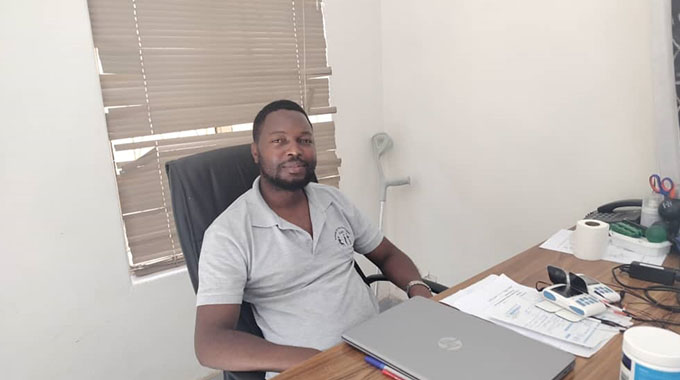
Madzimbe said engagement with communities, families, religious sectors and community health workers can help provide care and reduce stigma by raising awareness about CP.
“Children with CP can improve significantly with early intervention, therapy, and assistive devices. Many children with CP grow up to attend school, work, and even start families if given the right support. CP can be managed with early diagnosis, therapy, and family support. By combining modern medicine with cultural sensitivity, we can ensure that children with CP receive the care and dignity they deserve,” said Madzimbe.
He said CP is the most common childhood physical disability. Madzimbe stated that the causes vary but include premature birth, lack of oxygen during delivery, infections or brain injuries.
“Symptoms range from mild to severe, affecting movement, coordination, speech, and even cognition in some cases.
There is no cure, but therapies (physiotherapy, occupational therapy, and speech therapy) greatly improve quality of life,” Madzimbe said.
He said people with CP face a lot of challenges such as limited access to specialised healthcare and rehabilitation.
“Social stigma and misconceptions about disability. Financial strain on families due to ongoing medical and therapy costs. Limited educational and employment opportunities,” said Madzimbe.
He said, despite the challenges, there are success stories aligned to the condition.
“Many individuals with CP thrive with proper support, excelling in education, sports and careers. Assistive technologies, early intervention, and inclusive education make a huge difference,” said Madzimbe.
He noted that there are different types of CP which are mostly congenital, occurring before (during brain development) or during birth.
“Acquired CP is less common and often linked to infections or head injuries after birth,” said Madzimbe.
He said despite being a non-progressive and incurable condition, treatment is available to help manage symptoms, slow disease progression and enhance overall quality of life.
Kudakwashe Taruwinga, the founder of Dads of Hope, a support system for families with children with CP, said most people do not understand the condition, its causes, and how to deal with it.
“Due to our belief system, we are superstitious about a lot of things. Therefore, even when disability comes, no one believes it could have been a medical problem, an accident, abuse, substance abuse, chemicals, or negligence in the hospital set-up. There are a lot of things that cause disability,” he said.
He said in the African setup, once there is a child with disabilities, it is always blamed on the women and it’s considered a curse that is a bad omen on the family.
“So the wife is chased out of her matrimonial home and banished. Women are left to suffer with the child and at times even her own family does not want her to come with her disabled child,” said Taruwinga.
He said his organisation is seeking to tackle disability at grassroots level by equipping expectant couples with information about disability.