Online Reporter
Nomalisa Gumpo and Patience Ndlovu
PUBLIC and private sector entities must root out corruption at the institutional level through robust oversight mechanisms and a strong culture of ethical integrity that promotes transparency and accountability.
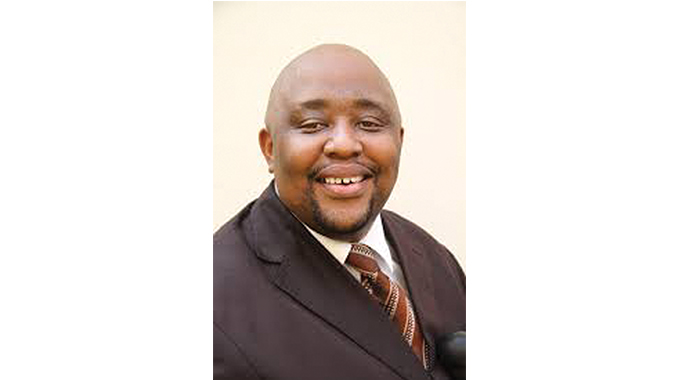
Chartered Governance and Accountancy Institute of Zimbabwe (CGAZ) vice president, Ms Lifneth Moyo, made the call during a workshop held in Bulawayo on Friday, where she described corruption, resource wastage, and abuse of office within institutions as key threats to the attainment of the Government’s Vision 2030.
The event brought together experts in business, governance and finance, who shared insights and perspectives on the abuse of entrusted power for private gain, careless use of organisational resources and misuse of authority.
Participants deliberated on solutions to unethical practices affecting both public and private institutions.
In her address, Ms Moyo highlighted procurement irregularities such as inflated tenders, kickbacks, over-invoicing, and payroll fraud involving ghost workers, inflated allowances, and double-dipping as major concerns.
“Institutions engage in these practices through resource misallocation, whereby funds are diverted from critical projects for personal gain due to a lack of oversight, enabling systemic abuse of resources and funds,” she said.
Ms Moyo also pointed to nepotism and favouritism in recruitment and promotion processes as factors that undermine institutional integrity and leadership credibility.
“Recruiting a family member who is eligible and qualified for the job using the correct procedures cannot be classified as nepotism. However, when someone is hired solely because of their relationship with those in power—without the necessary qualifications or following due process—it becomes nepotism,” said Ms Moyo.
She condemned unethical behaviour, which she said leads to a loss of public trust and undermines the social contract between the Government and its citizens.
“As an institution, before pointing fingers at corruption elsewhere or within Government, take note of corruption within your own organisation and be prepared to report and correct it. Our tendencies to abuse power and prioritise personal gain discourage foreign direct investment and international partnerships,” said Ms Moyo.
She noted that billions of dollars are lost annually to corruption and inefficiency due to weak internal controls, which also hinder economic growth.
“Without urgent reforms, Zimbabwe will struggle to meet the Sustainable Development Goals (SDGs), particularly SDG 16—achieving peace, justice, and strong institutions—and Vision 2030 will become increasingly difficult, if not impossible, to realise,” said Ms Moyo.
She encouraged organisations and institutions to take action by fostering good governance, transparency, public trust, and social cohesion, while ensuring financial discipline to deliver value for money and maximise development.
“Citizens deserve efficient, accountable, and honest public service delivery from every organisation and institution. It is the duty of every individual to combat corruption, waste, and abuse in whatever role they play in service delivery.
Demonstrate ethical behaviour within your sphere of influence and challenge irregularities wherever they occur,” she said.
Ms Moyo urged people to support and advocate for transparency reforms in institutions, report suspected corruption, waste, and abuse, and ensure that internal audit, risk management, and compliance teams are well-trained and capacitated.
“Corruption, waste, and abuse are not inevitable—they thrive only when tolerated. Every professional, leader, and citizen has a role to play in stopping them. Let us strengthen governance and financial discipline today for a prosperous Zimbabwe tomorrow. Vision 2030 is achievable—but only if we fight for it together. Be the change you want to see in governance,” she said.