Chronicle Editor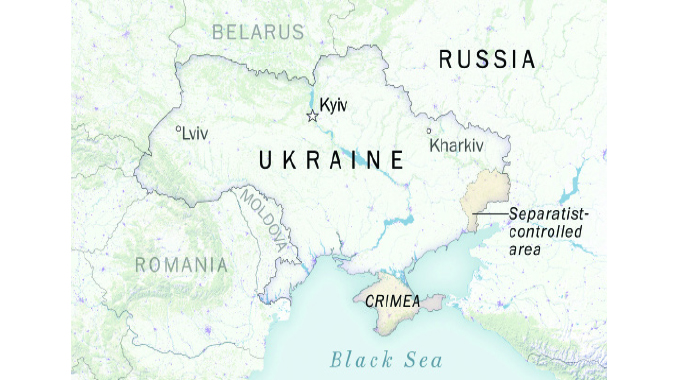
Nqobile Tshili in Moscow, [email protected]
IN 2009, acclaimed Nigerian author Chimamanda Ngozi highlighted the dangers of a single story that perpetuates stereotypes, particularly when it comes to Africa. The continent has long been subjected to a narrow narrative of poverty, despair, and hopelessness, with little attention given to its people. When positive stories emerge, they often focus on Africa’s wildlife and landscapes, overshadowing the remarkable innovations and achievements of its inhabitants. Unfortunately, these narratives rarely capture global media attention, leaving Africa perceived solely as a place in need of saving.
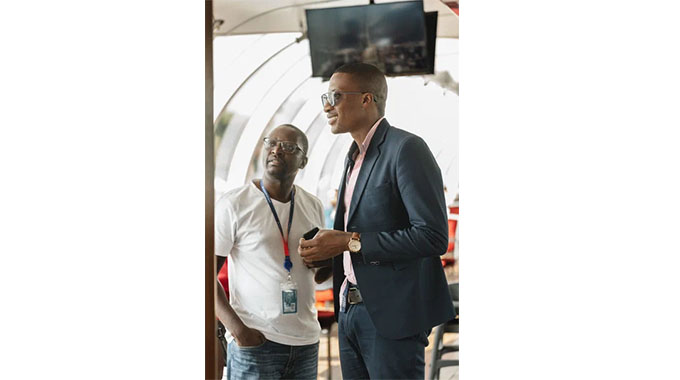
Recently, I embarked on a month-long journalist training programme in Moscow, Russia, joining participants from South Africa, Botswana, Congo Brazzaville, Ethiopia, Kenya, Gambia, and Cameroon. Prior to my departure, colleagues, friends, and family expressed concerns about the ongoing Russian-Ukrainian conflict, questioning the safety of my journey. However, I firmly believed that no host would invite guests to a country consumed by conflict. It reminded me of the negativity that Zimbabwe has faced in the international Press, where positive occurrences are often overshadowed.
Ngozi’s words echoed in my mind, “The single story creates stereotypes. And the problem with stereotypes is not that they are untrue, but that they are incomplete. They make one story become the only story.” During my first week in Moscow, a bustling metropolis with over 12,8 million residents and impressive infrastructure, I discovered a city and its people seemingly unburdened by the war narrative peddled in global Press. The chaos and uncertainty depicted on the world stage were not reflected in the daily lives of Muscovites.
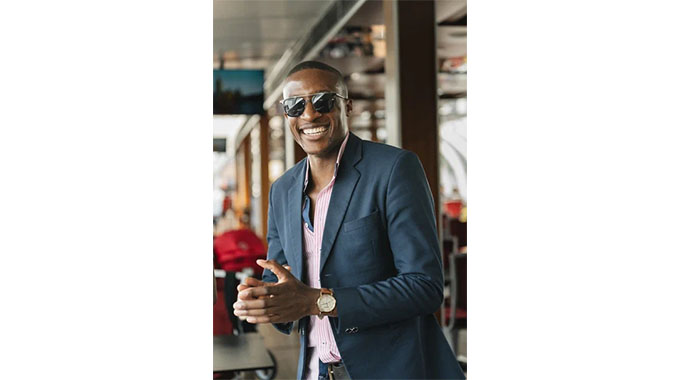
The stories I had heard about Russia reminded me of the gloomy narratives that surrounded Zimbabwe, perpetuating a notion that nothing seemed to work. However, these narratives fail to capture the full story of Zimbabwe, just as they do for Russia. The biased coverage that Zimbabwe received during its land reform programme led to a skewed international perception of the country. Yet, foreigners who have visited Zimbabwe have often expressed shock at the warmth of its hospitality and the peace prevailing within its borders.
Participating in the Inte-Russia Internship Programme for Journalists, I had the opportunity to hear my fellow journalists’ experiences of Russia before their arrival and the reality they encountered in Moscow. Prince Elidad Mode Elenga from Congo Brazzaville shared how he approached his trip with an open mind, ready to confirm or dispel the speculations and stereotypes propagated by the French media regarding Russia’s conflict with Ukraine.
“Once there, I was astonished by the calmness of the country and the warmth of the Russians. Moscow, with its rich history, captivated me. I experienced the cultural side of Russia, awakening the tourist within me and making me forget the preconceived notions spread by the outside world. It reminded me of the injustice Africa faces in the media, where it is diminished and reduced to a distorted image. I realised that this well-structured country is merely a victim of bad propaganda, and it is our responsibility to seek Russia’s version and separate fact from fiction.”
Tebogo Mokoto from Botswana shared his surprising discovery that, apart from geopolitical issues, the weather in Russia was similar to that of his homeland during the summer. He noted how his experience in Russia had transformed his views on mainstream media platforms and highlighted the pervasive lack of objectivity and unmitigated bias. He expressed concern over the consumption of content without critical questioning.
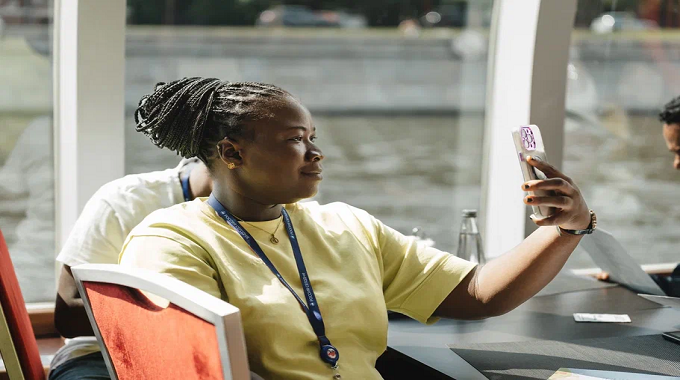
“My idea of war was of extreme circumstances warranting utmost attention, compared to what African nations have endured for years. The propaganda Russia is currently facing is similar to the prejudicial coverage Africa has encountered in the hands of Western media,” he said.
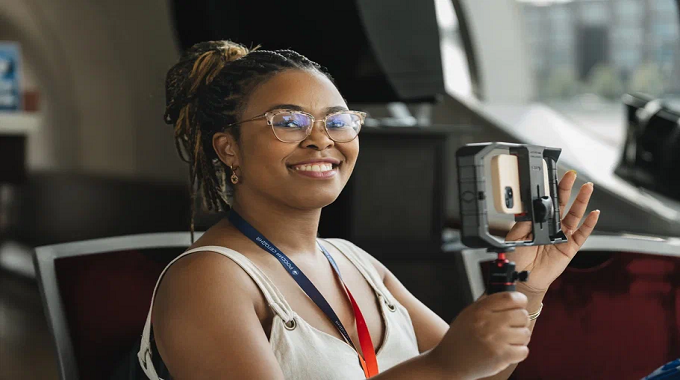
Claudia Ngombet from Cameroon stressed the importance of having an unmediated experience to develop a better understanding of Russia beyond the stories told by the media.
She remarked: “Coming from a conflict area, I was not surprised to find Russia very lively, contrary to some perceptions out there.”
As journalists, it is our duty to challenge the single story narrative, whether it concerns Africa or Russia. We must strive to depict the full spectrum of reality, showcasing not only the challenges but also the triumphs, the beauty, and the spirit of the people we encounter. Only then can we break free from the confines of stereotypes and celebrate the rich diversity that exists within our world. — @nqotshili


 Online Reporter