Online Reporter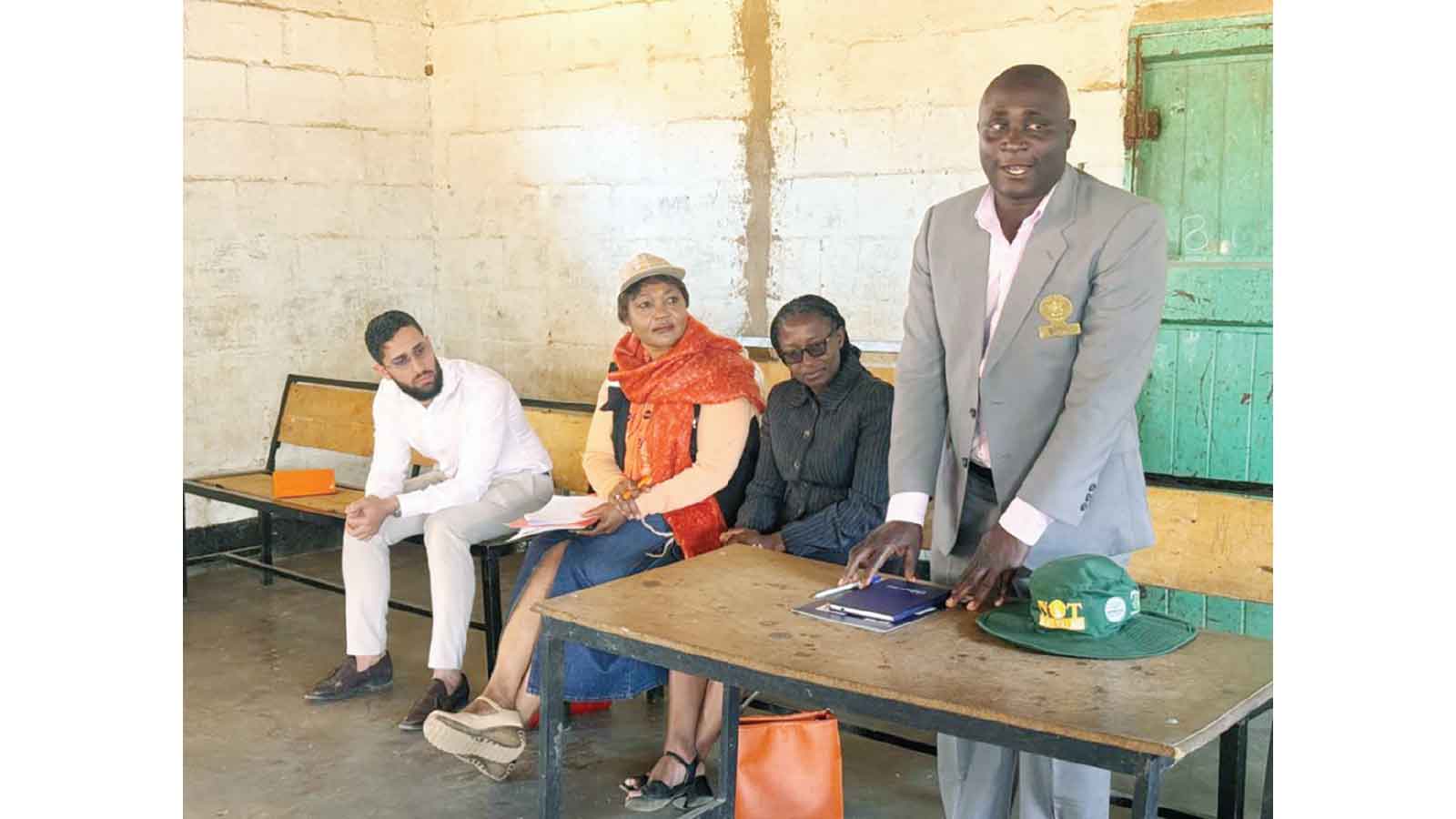
Rumbidzayi Zinyuke
Senior Health Reporter
THROUGH a powerful shift toward community-driven solutions, Zimbabwe is making tangible strides in slashing child marriages, teenage pregnancies and new HIV infections, among young people.
The gains were highlighted at a media tour of the Safeguard Young People (SYP) Programme in Shamva District, where Government officials, representatives from the Netherlands Embassy and the United Nations Population Fund (UNFPA) assessed the impact of the programme’s interventions.
But the real story lies beyond the statistics: by putting the power back into the hands of local families and leaders, these interventions are doing more than protecting children—they are keeping girls in classrooms and fundamentally reshaping community attitudes from the ground up.
Implemented by the Government through the Ministry of Health and Child Care, with support from UNFPA and funding from the Governments of the Netherlands and Switzerland, the SYP Programme promotes adolescent sexual and reproductive health through youth-friendly health services, comprehensive sexuality education, community mobilisation and strengthened child protection systems.
One of the programme’s flagship interventions is the Not In My Village campaign, a community-led initiative that mobilises traditional leaders, communities and Government institutions to prevent child marriages, teenage pregnancies, violence against children and other harmful practices while strengthening local child protection systems.
Since its launch in Mashonaland Central in 2024, the campaign has strengthened community by-laws, improved reporting and referral mechanisms, promoted school retention and enhanced community ownership of child protection efforts. These interventions have contributed to declining cases of child marriage, adolescent pregnancies and new HIV infections among young people in districts such as Shamva.
Speaking during the visit recently, Chief Bushu said the Not In My Village campaign had transformed attitudes towards child protection through community by-laws and coordinated action involving traditional leaders, Government departments and development partners.
“We are implementing the Not In My Village campaign where we are saying no child should get married or have sex before the age of 18. We also wanted to fight the spread of HIV and other sexually transmitted infections,” he said.
Chief Bushu said mining and tobacco farming activities in the district had exposed young girls to exploitation by men with disposable income, increasing the risk of early pregnancies and school dropouts.
“We realised these issues were rife in our province because we have artisanal mining, tobacco farming and other economic activities where some people use money to entice young girls into sexual relationships. Through the Not In My Village campaign, we came up with by-laws that prescribe penalties for different offences. Since we started the campaign in 2024, we have dealt with 109 cases of child marriages and many girls have since gone back to school,” he said.
“Some have completed school, one is now a lawyer, while others are still pursuing their education. Our goal is for all these girls to go back to school and succeed in life so that they can become leaders of tomorrow.”
Chief Bushu said the success of the campaign had been driven by close collaboration among village heads, councillors, the Department of Social Development, the Ministries of Health and Child Care, Women Affairs, Youth and other partners through an effective referral pathway.
He said all chiefs in Mashonaland Central, including Chief Negomo, Dotito, Nyamaropa and himself, were all working towards one goal, protecting the future of the children while upholding cultural values.
Mashonaland Central has historically recorded some of Zimbabwe’s highest rates of child marriage and adolescent pregnancy.
According to the 2023-24 Zimbabwe Demographic and Health Survey, 37,2 percent of adolescent girls in the province had already been pregnant, while the 2019 Multiple Indicator Cluster Survey found that 49,5 percent of girls were married before the age of 18.
However, community interventions are beginning to reverse the trend. In Shamva District, youth HIV prevalence declined from 8,43 percent in 2023 to approximately 6,4 percent in 2025, reflecting the impact of community-led interventions.
Director of Family Health in the Ministry of Health and Child Care, Dr Dorcas Mutede, said the programme’s positive results demonstrated the importance of investing in adolescent health.
“We are very pleased with the results of the Safeguard Young People programme. Since implementation of these interventions, we have seen reductions in teenage pregnancies, child marriages and sexually transmitted infections. This is something we value as the Ministry of Health and Child Care and would like to see replicated throughout the country,” she said.
The delegation also toured Chakonda Clinic, which serves a catchment population of nearly 14 000 people and offers integrated youth-friendly services, including HIV testing and treatment, family planning, antenatal and postnatal care, mental health screening and support for survivors of sexual and gender-based violence.
Village Health Workers, Community Adolescent Treatment Supporters and Young Mentor Mothers are among the community structures helping adolescents access health services while encouraging school retention and preventing new HIV infections.
Acting Netherlands Ambassador to Zimbabwe Mr IIyaas Sherally said the field visit had provided first-hand evidence of the programme’s impact.
“We’re here to see the progress this programme has achieved in reducing HIV transmission, reducing child pregnancies and supporting sexual and reproductive health and rights. I am very impressed by the work being done by UNFPA, local partners and the Ministry of Health through the one-government approach. It is always easy to sit behind a desk in Harare, but it is important to come into the field and see with our own eyes what our funding is achieving in partnership with the Government of Zimbabwe,” he said.
Mr Sherally said the programme was also helping communities address the growing challenge of drug and substance abuse among young people.
UNFPA country representative Ms Miranda Tabifor said Zimbabwe had benefited from the regional Safeguard Young People programme for more than a decade, with lessons from the initiative now informing the agency’s new country programme for 2027 to 2031.
She said the integrated programme addressed adolescent health, gender-based violence, maternal health, child marriage, teenage pregnancy and substance abuse through strong partnerships with Government ministries, traditional leaders, young people and other United Nations agencies.
“The stories we heard from the chiefs leading the Not In My Village campaign are compelling and humbling. We are taking the lessons from this programme into our new country programme because we have seen the life-transforming impact it has had on communities,” she said.
Ms Tabifor said the programme complemented Zimbabwe’s National Framework to Prevent and Manage Adolescent Pregnancies and demonstrated the value of coordinated action involving Government, communities and development partners in safeguarding the wellbeing of adolescents and young people.