

 Online Reporter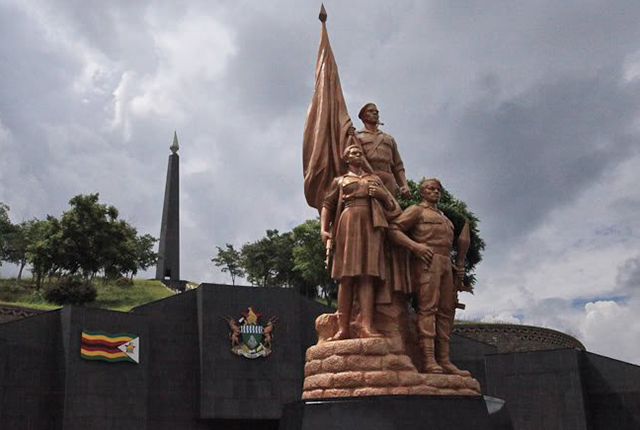
Richard Muponde
Zimpapers Politics Hub
IN a chilling confession that has reopened wounds from Zimbabwe’s liberation war, an elderly man from Sanyati, Mr Benson Benson (88), on Saturday admitted to burning and burying the bodies of two Zipra freedom fighters.
The two Zipra cadres, Cde Mandebvu and Cde Zaire, were brutally killed at the height of the country’s liberation struggle in 1979.
Next month, Zimbabwe will celebrate Heroes’ Day and Defence Forces Day and these accounts highlight the importance of honouring the nation’s departed heroes and heroines of the liberation struggle, many of whom still await dignified burials, having been laid to rest in unmarked graves
Speaking during Fallen Heroes Trust of Zimbabwe-led exhumations of Zipra freedom fighters in Sanyati, Mr Benson volunteered to reveal the secret grave.
He detailed how he and other black workers were ordered by white Rhodesian police officers to desecrate the bodies of the slain cadres.
Also, he revealed how he buried them in a shallow grave deep in the bush.
“It was in 1979, I was working at the Arda Sanyati Police Camp as a general hand,” Mr Benson recounted, tears welling in his eyes.
“That day, our white bosses brought in two bodies. They told us these were terrorists killed at Nyimo Business Centre. We were ordered to decapitate them, dump them into chemicals and burn them.”
His confession paints a harrowing picture of the brutality that characterised the final days of Rhodesia’s colonial rule.
According to Mr Benson, after burning the bodies, the officers poured additional chemicals on the remains to ensure complete destruction before instructing the workers to cover the charred remains.
“Our bosses were very happy. They even gave us beer, and we ended up rejoicing over the deaths. I was young and scared. I only did what I was told,” he said. “I am asking for forgiveness from the spirits of these fallen heroes. I was a victim of circumstances.”
Mr Benson insisted that he only knew of the two freedom fighters he helped bury and denied knowledge of other atrocities.
“It was only Mandebvu and Zaire. I swear, I don’t know about others,” he pleaded.
However, his plea for forgiveness and attempts to portray himself as an unwilling participant found little sympathy in the local community. Kraal head Mr Themba Mazhata, who attended the exhumation ceremony, dismissed Mr Benson’s narrative as a half-truth designed to absolve himself of greater culpability.
“Mukoma Benson was not just a general hand,” said Kraal head Mazhata. “He was actually a Smith regime soldier stationed at the Sanyati Rest Camp. We all know he was responsible for hunting down and killing many Zipra cadres in Chenjiri, Nyimo and Kasirisiri. These were not isolated incidents.”
The traditional leader accused Mr Benson of conveniently downplaying his role now that the truth is resurfacing through exhumations meant to accord proper burials to Zimbabwe’s unsung heroes.
“For years, families have been searching for their sons and daughters who disappeared during the war. Now the truth is finally coming out, and those who were once powerful are trying to wash their hands clean,” Kraal head Mazhata charged.
The Fallen Heroes Trust of Zimbabwe has been conducting exhumations in various parts of the country, seeking to locate and rebury hundreds of freedom fighters who were killed and buried in unmarked graves during the 1970s. In many cases, local elders and former war collaborators are providing critical information leading to these discoveries.
Trust officials said the confession by Mr Benson would be recorded as part of the oral history to document the tragic fates of the many who sacrificed their lives for independence.
Dr Arthur Makanda, the chairman of the Trust, said: “We are grateful that at least Mr Benson came forward. It also highlights the trauma many ordinary Zimbabweans endured in being forced to participate in atrocities under colonial rule.”
However, Dr Makanda emphasised the need for thorough truth-telling.
“Healing only comes when all facts are laid bare. Communities want closure. Families want to know where their loved ones ended up.”
As the shallow graves continue to give up their secrets, Mr Benson’s remorse, whether born of genuine guilt or fear of ancestral retribution, remains a stark reminder of the ordinary Zimbabweans who found themselves caught between colonial oppression and the fierce determination of the liberation movements.


 Bongani Ndlovu
Mr Benson can not claim to have been young in 1979. He was 43 years old. But his confession lays bare the need to identify all the sites where our heroes and heroines are buried and encourage those with information about wartime atrocities to come forward. Government rushed to put resources together for the Gukurahundi project because it carries political benefits for certain people not because it brings healing and reconciliation in society. The war of liberation carries more pain and covers the entire nation. Unless government puts emphasis on resolving outstanding issues from the liberation struggle, this country remains haunted by its past. Our heroes and heroines deserve better.