Online Reporter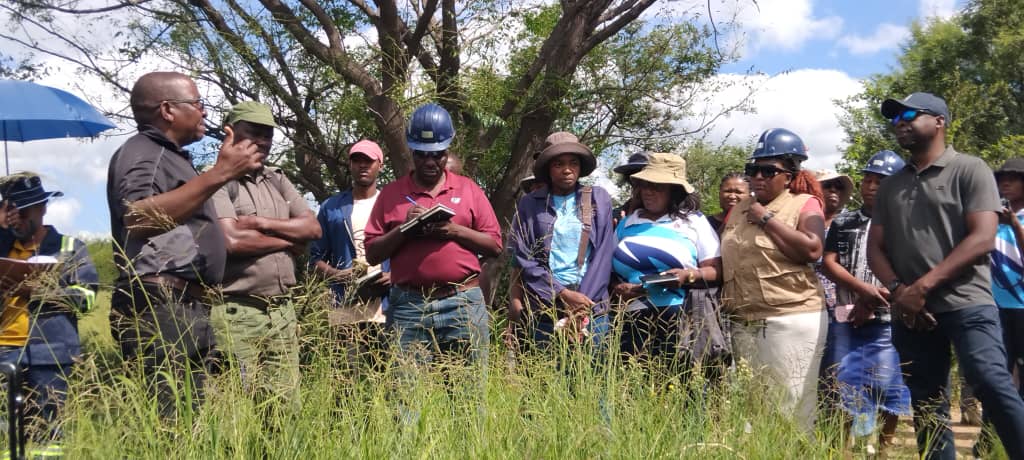
Nqobile Bhebhe, [email protected]
City of Bulawayo officials and the media are today touring two of the city’s supply dams — uMzingwane and Inyakuni amid growing concern over illegal gold mining activities threatening water inflows into the reservoirs.
The tour comes as the Zimbabwe National Water Authority (Zinwa) this week reported that uMzingwane Dam is 35,4 percent full while Inyakuni stands at just 19,8 percent capacity, underlining the fragile state of the city’s water security despite recent rains.
In contrast, Mtshabezi Dam is 100 percent full and spilling for the first time in nine years, having last overflowed in 2017.
The development has been widely celebrated as a sign of improved rainfall patterns in the catchment, a rare and welcome shift after years of drought and climate stress.
Mtshabezi Dam, which has a capacity of 11,4 million cubic metres, is one of six supply dams serving Bulawayo, alongside Umzingwane, Inyankuni, Upper Ncema, Lower Ncema and Insiza.
However, attention during the tour is expected to focus on the environmental damage within the Umzingwane Catchment Area, where illegal alluvial gold mining has become a destructive force severely compromising Bulawayo’s water supply.
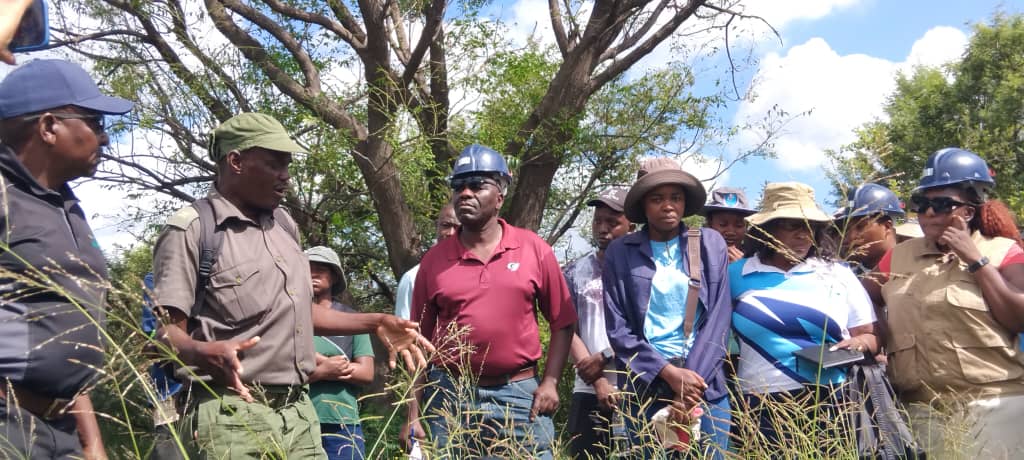
The unregulated activities along river banks are blocking the natural flow of water into the dams, undermining the benefits of increased rainfall.
This week, city mayor Councillor David Coltart said sounded an alarm over rampant illegal gold mining in the Umzingwane river catchment area, warning of devastating consequences for the city’s water supply.
Although persistent rains have helped raise dam levels, the environmental degradation and disregard for regulations pose a serious threat to livelihoods, agricultural productivity and industrial operations dependent on stable water supplies.
Bulawayo has long grappled with chronic water shortages driven by poor rainfall, climate change and heavy reliance on surface water sources.
During prolonged dry spells, the situation worsens, forcing the local authority to implement stringent water-shedding schedules that leave some suburbs without water for days.
In 2023 and 2024, dam levels fell to critical levels, with some reservoirs dropping below 30 percent, pushing residents and industry to rely on boreholes and water trucking.
The crisis has also strained council finances as ageing infrastructure struggles with fluctuating supply.
Aging pipelines, frequent bursts, vandalism and limited resources continue to hamper water delivery.
Medium-term interventions such as the proposed Glassblock Dam under a Public-Private Partnership model are being considered to ease pressure, alongside emergency options including drawing water from Khami Dam and expanding groundwater exploration, subject to sustainability assessments.