Online Reporter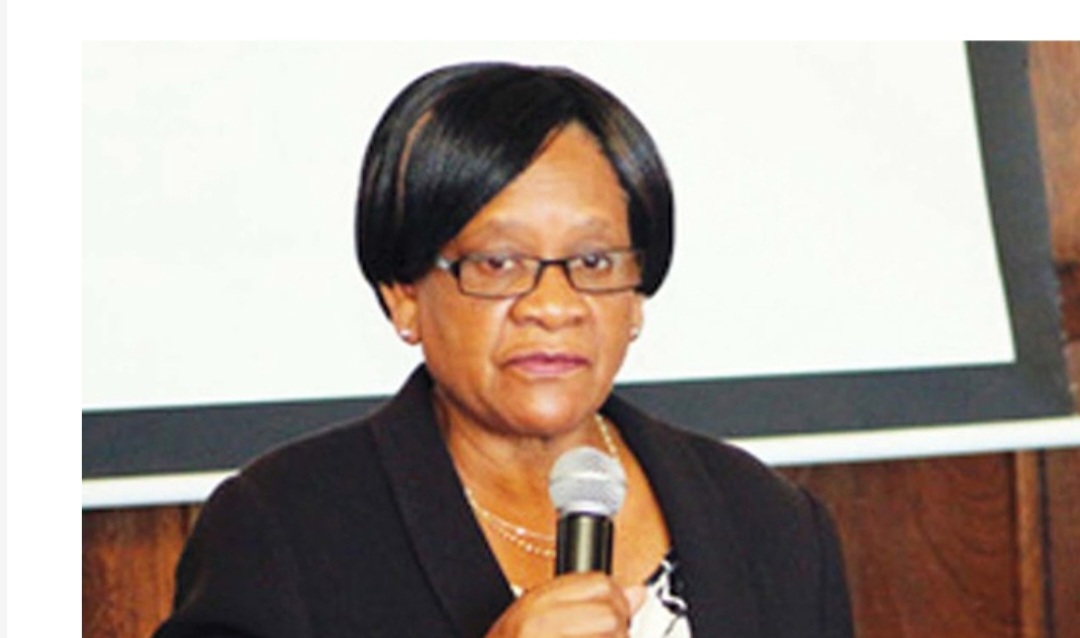
Gibson Mhaka [email protected]
ZIMBABWE is strengthening its resilience to climate change through strategic investments in integrated water infrastructure that improve food security, access to safe water and sustainable livelihoods, Minister of Environment, Climate and Wildlife Dr Evelyn Ndlovu has said.
In a speech read on her behalf by the ministry’s Permanent Secretary, Mr Simon Masanga, during the commissioning of the Wanezi Dam, Bridge, Solarised Piped Water System and Irrigation Scheme in Insiza District, Matabeleland South province, on Friday, Dr Ndlovu said the investment demonstrates the Government’s commitment to protecting vulnerable communities from the devastating effects of climate change while accelerating the country’s march towards Vision 2030.
The project is being implemented by the Government of Zimbabwe in partnership with the United Nations Development Programme (UNDP) under the Climate Adaptation Water and Energy Programme (CAWEP), with financial support from the United Kingdom’s Foreign, Commonwealth and Development Office (FCDO).
Minister Ndlovu said the successful completion of the project reflected the strength of collaboration between Government, development partners and local communities in responding to the growing threat posed by climate change.
“Firstly, I applaud the great collaboration by the Government of Zimbabwe through its various ministries, departments and agencies, the British Embassy, the UNDP, the local leadership, Matabeleland South Province, Insiza District and the people of Wanezi in the development, financing and implementation of the project activities we are here to celebrate today,” she said.
She described the commissioning as a major milestone in Zimbabwe’s climate adaptation and resilience-building efforts.
“This milestone marks a significant step in our collective climate change adaptation and resilience-building efforts across Zimbabwe,” said Minister Ndlovu.
She noted that climate change remains one of the greatest threats to Zimbabwe’s socio-economic development, with far-reaching effects on agriculture, water resources and the livelihoods of rural communities.
“We have witnessed extreme climate events, including prolonged dry spells, droughts and, in some instances, excessive rains and flooding, such as Cyclone Dineo in 2017, which breached Wanezi Dam,” she said.
Minister Ndlovu said the Government had responded by creating an enabling policy environment to promote climate action through mitigation and adaptation measures, including carbon trading initiatives.
She said the Wanezi interventions are fully aligned with the National Climate Change Adaptation Plan and Zimbabwe’s Nationally Determined Contributions under the global climate agenda.
“The interventions implemented here at Wanezi under the Climate Adaptation Water and Energy Programme align with national priorities, including rainwater harvesting, efficient irrigation systems, renewable energy adoption through solar power and biogas, enhanced early warning systems and disaster risk reduction,” she said.
Dr Ndlovu said the integrated project would significantly improve the adaptive capacity of communities through year-round agricultural production while reducing greenhouse gas emissions through the adoption of clean energy technologies.
“The interventions we are commissioning today are vital in boosting the climate resilience of the people of Wanezi.
“This scheme does not only enhance food security and incomes for the Wanezi community, but will also benefit Matabeleland South Province and Zimbabwe at large,” she said.
She said the project demonstrates the Government’s commitment to building resilient communities as Zimbabwe pursues Vision 2030 while contributing towards the attainment of the Sustainable Development Goals and the African Union Agenda 2063.
Minister Ndlovu commended the United Kingdom Government for funding the transformative project and expressed hope that similar partnerships would be expanded to benefit more communities across the country.
“Allow me to extend my gratitude to the British Embassy for funding this transformative project and to express our readiness for future collaborations aimed at replicating such initiatives countrywide.
“I would also like to thank the United Nations Development Programme as the implementing agency for effectively delivering the set targets.
“Special thanks also go to our sister ministries, departments and agencies, as well as service providers who worked tirelessly to ensure the successful implementation of this project,” she said.
The minister stressed the need for increased investment in climate adaptation programmes supported through diverse financing mechanisms so that more communities can benefit from resilient infrastructure.
“We need more such programmes across the country, premised on diverse funding mechanisms,” she said.
She challenged the Wanezi community to safeguard and sustainably manage the newly commissioned infrastructure to ensure that future generations continue to benefit from the investment.
“To the local leadership and the people of Wanezi, the Government of Zimbabwe trusts that you will sustainably manage and maintain the investments we are witnessing here today.
“Let us build on the training that has been provided and ensure that this irrigation scheme remains productive,” she said.
Minister Ndlovu expressed confidence that the irrigation scheme would transform livelihoods by improving agricultural productivity and cushioning communities against recurring droughts.
“With this irrigation scheme operating at full capacity, it is our hope that lives will be transformed and that we will mitigate the adverse effects of climate change.
“This is in line with the pledge by His Excellency, President Dr Emmerson Mnangagwa that no one in this country should ever die of hunger” she said.
The Wanezi project forms part of broader Government efforts to climate-proof agriculture, expand irrigation development and strengthen water security in drought-prone areas while promoting sustainable rural development through strategic partnerships with international development agencies.