Online Reporter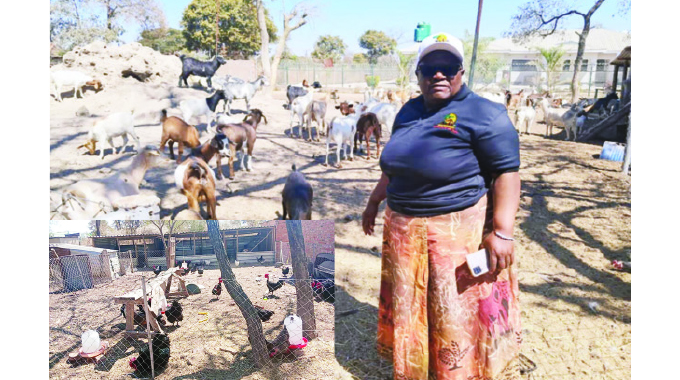
Precious Manomano and Fatima Bulla-Musakwa
IN Norton, Ms Beauty Jiji stands as an inspiration of hope and resilience, embodying the spirit of sustainable farming.
Considering that her Heritage Poultry Farm is sitting on over 6 000 square metres, she has turned a modest piece of land into a thriving ecosystem, proving that success in agriculture is not merely about land size, but about effective planning and hard work.
Beauty’s journey into farming began many years ago, rooted in a passion that blossomed into a full-fledged enterprise.
“I started this journey at my mother’s place back in 2000, but it wasn’t until I returned from Namibia in 2012 that I truly embraced my dream. Initially, I wasn’t doing it commercially, but deep down, I believed I could make something of it,” she said.
Her early experiences were filled with challenges, especially when she faced sceptism from those around her, including her own family.
“My mother didn’t believe I could make money out of traditional chickens but I had a vision, and I was determined to prove her wrong.”
This desire to succeed fuelled her drive, and she began to acquire the resources she needed to start her farm.
Starting from zero, Ms Jiji began with just five goats, one male and four females and a handful of indigenous chickens.
“I remember the day I brought them home; it felt like a small victory,” she said.
“I also acquired two ducks, which quickly multiplied, demonstrating my keen ability to nurture and manage my livestock. In just two months, I had more than 40 ducks! It’s all about planning,” she explained with a proud smile.
With each passing season, Beauty’s farm grew. She reared a diverse array of birds, including indigenous chickens, pure breeds like Black Australorp, guinea fowls, turkeys and ducks.
“From our poultry, we gather not only meat and eggs but also valuable manure, which fertilises our crops,” she noted.
This interconnected system of farming allowed her to make the most of her limited space.
Ms Jiji practices integrated farming, a method that optimises the use of resources by combining poultry, livestock, and crops.
“We have a factory for fertiliser where the manure from our poultry is converted into organic fertiliser,” she explained.
This approach not only enhances soil fertility, but also minimises waste, creating a sustainable cycle on her farm.
Her farm features a variety of crops, including vegetables, fruits, and even medicinal plants.
“I produce my own vegetables, which means I don’t have to rely on shops. We also grow maize using conservation methods, ensuring sustainability.”
Among her crops are tomatoes, spinach, and various herbs, as well as fruits like guavas and pawpaws, some of which serve medicinal purposes.
“These plants not only nourish our bodies, but also serve as natural remedies,” she added, highlighting her commitment to holistic health.
Ms Jiji’s journey was not without its hurdles.
During the Covid-19 pandemic, many of her chickens were stolen, a devastating blow that could have easily killed her zeal.
“I never give up because I believe in what I want to do,” she said firmly. One of the key things is to have a mindset that commercial farming can be accomplished, even in a small space. It’s all about how you organise yourself,” she said.
Instead of succumbing to despair, Ms Jiji used this setback as fuel for her determination. She quickly adapted her strategies, focusing on enhancing security measures for her livestock and diversifying her products.
“I realised that I had to be proactive. I invested in better fencing and more secure housing for my birds. Every challenge is an opportunity in disguise,” she said.
Ms Jiji’s farm not only sustains her family but also contributes significantly to the local community.
She takes pride in her involvement with the Presidential Poultry Scheme, which supplies eggs for hatching, a vital Government initiative designed to support local farmers.
“This programme opened new markets for us,” she said enthusiastically. “We pick eggs daily and take them for hatching, and then we get paid.”
Her success has transformed her financial situation, allowing her to invest back into her farm and family.
“I built my house using the income generated from selling my chickens,” she shared her story with pride. This investment in her home symbolises not just her success but also her commitment to her family’s well-being.
Ms Jiji’s success has also empowered her family.
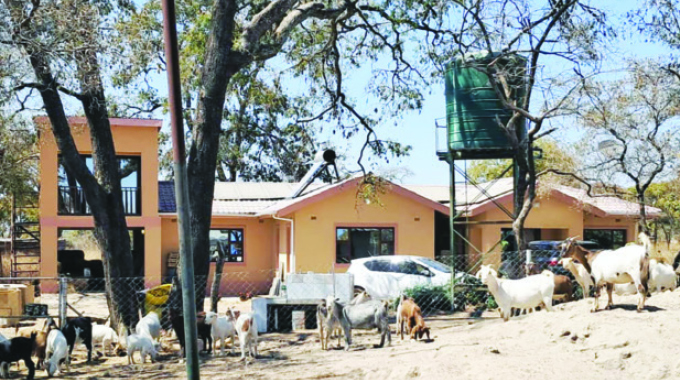
The house that Ms Jiji built from proceeds of farming.
She pays for her daughter’s education at the National University of Science and Technology (NUST) through sales from the farm.
“My daughter sends five crates of eggs a week to the Presidential Scheme, and this helps cover her expenses. It protects her from the challenges that many young women face while in college,” she said.
This empowerment is crucial, especially in a society where opportunities for women can be limited.
“My daughter’s involvement in the farm has taught her valuable lessons about responsibility and hard work. She knows that she can earn money through her efforts, which builds her confidence and independence.”
She noted that her dedication to preserving local poultry breeds is another key aspect of her work.
“We have different types of chicken breeds, including Black Australorp and several traditional varieties that are resistant to diseases and climatic challenges,” she explained.
“I want to protect our local genes so they don’t become extinct.”
This commitment not only supports biodiversity but also enhances the resilience of her farm in the face of climate change.
Her farm is a living testament to the importance of maintaining local agricultural heritage. “Keeping chickens is something easy, it can be done by the elderly and disabled,” she emphasised.
Mrs Jiji’s innovative spirit is evident in her farming techniques. Her poultry are housed in a unique brooder system made from hay bales, which allows chicks to stay warm by huddling together.
“We also use hot water bottles to ensure they remain cozy,” she added, showcasing her resourcefulness in caring for her animals. This method not only keeps the chicks healthy but also reduces energy costs.
Through her journey, Ms Jiji has become a role model for aspiring farmers in her community.
“Don’t feel ashamed of where you start from,” she advised.
“You can begin with what you have and grow from there.”
Her unwavering spirit and commitment to integrated farming shines brightly in a world where challenges abound.
“Farming has taught me resilience,” she reflected. “Every setback has been a lesson, and every success has been a reminder of what is possible.”
Ms Jiji stands not only as a successful farmer, but also as an advocate for sustainable practices and community empowerment.
Her journey is a powerful reminder that with belief, hard work, and careful planning, one can cultivate not only the land, but also dreams.