Online Reporter
Theseus Shambare
Herald Correspondent
GOVERNMENT has urged stronger, coordinated efforts among all stakeholders to advance disability inclusion across Zimbabwe, stressing that meaningful progress can only be achieved through collaboration.
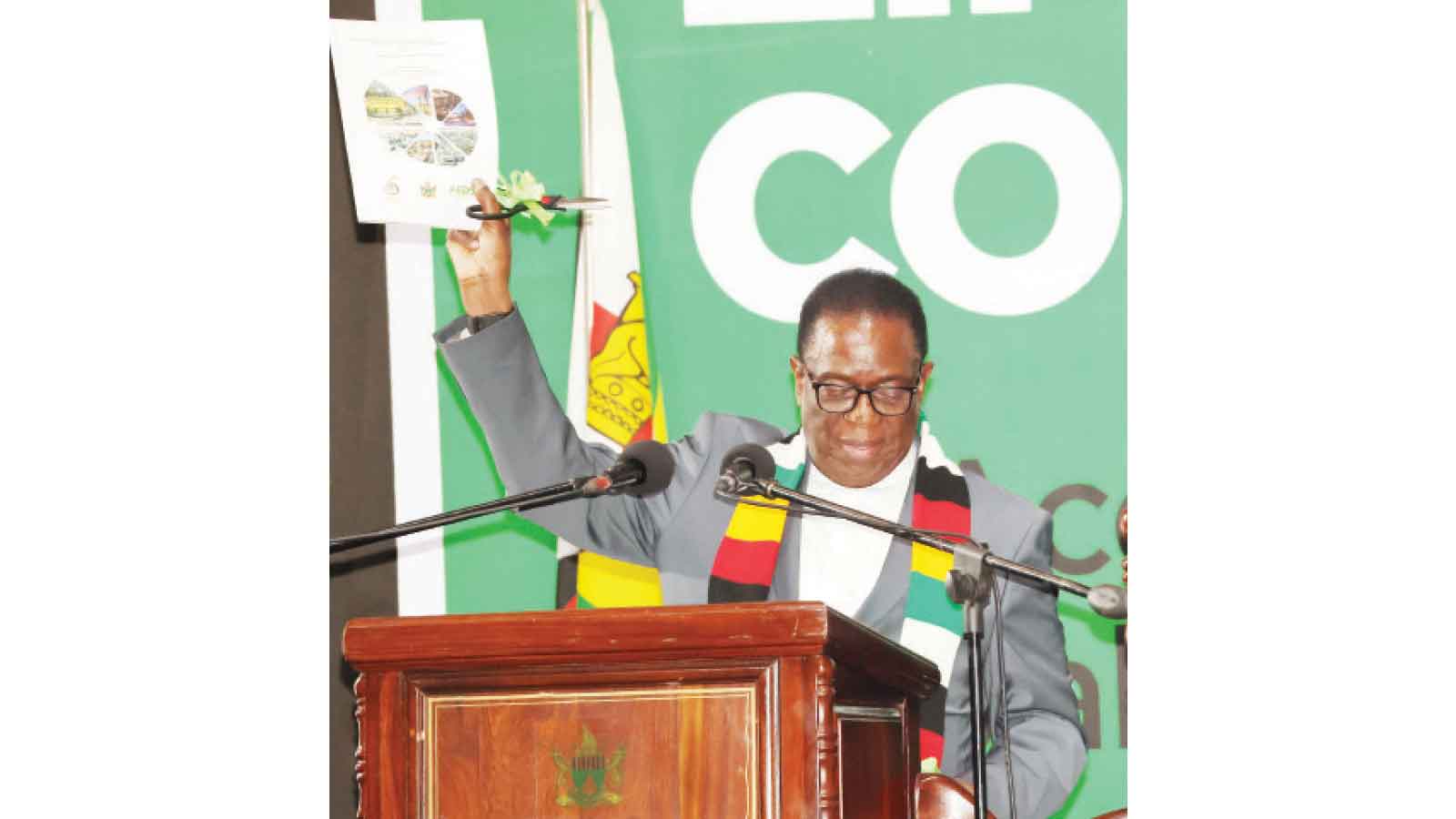
Speaking on behalf of Public Service, Labour and Social Welfare Minister Edgar Moyo at the International Disability Conference in Bulawayo on Wednesday, the director of Employment Mrs Maureen Dhliwayo said the nation was aligning its programmes with global standards, including the Sustainable Development Goals.
“The Government is offering access to free basic education, vocational and skills training, provision of assistive devices, education for mental health support, economic empowerment grants and loans, drug and substance abuse mitigation, sustainable livelihoods programmes and employment opportunities,” she said.
“We continue promoting accessibility in workplaces, among other interventions.”
Minister Moyo emphasised that inclusion was a fundamental right.
“Inclusion is not a favour, it is a right. Persons with disabilities are not passive recipients of aid — they are active agents of change,” he said.
The three-day conference, running under the theme “Helping People to Help Themselves: Global Unity – Shared Progress,” has drawn participants from government ministries, civil society, the private sector and organisations of persons with disabilities.
Director of the Capacity Building Centre for Africa, Dr Christine Peta, underscored the importance of partnerships in advancing disability rights.
“This conference is not about discussion but transformation. As the host, we encourage everyone to engage fully, collaborate jealously, challenge assumptions, confront barriers and inspire one another,” she said.
She said conversations shared must go beyond these walls.
“They must shape policies, influence institutions and transform communities,” she said.
Member of the National Elders Forum and Jesuits of Southern Africa, Father Fidelis Mkonori, commended the Government for its inclusive development approach.
“I am happy that our State has embarked on involving everyone on board, leaving no one and no place behind,” he said.
He also urged continued awareness-raising to dismantle outdated beliefs.
“The Catholic Church should continue teaching some of the old, believing and teaching that it is the wife’s fault — but it’s in the genes,” he said, referring to harmful societal myths that perpetuate discrimination.
Persons with disabilities attending the conference also expressed their views on the progress made and the challenges that persist.
Harare Institute of Technology student, Nyasha Kudzai, said inclusivity must be practised consistently.
“Inclusion is not a verbal agreement, but a right. The Government has installed inclusivity in our tertiary education where people like me are studying under the skills development programme to improve society,” she said.
Another participant, Gwen Mushonga, highlighted gaps in information dissemination.
“The Government has availed grants, but people are failing to access them because of lack of information,” she said.
“Government and various stakeholders should uphold awareness campaigns to educate people on resource allocations.”
The conference comes as disability rights gain prominence in policy and development spaces.
Yet many persons with disabilities still face discrimination, limited access to services and exclusion from social and economic opportunities.
Through this gathering, Zimbabwe is reaffirming its commitment to inclusive development — and underscoring that collaboration remains the key to unlocking a society where everyone can participate fully.
The International Disability Conference is celebrated annually on December 3.