Online Reporter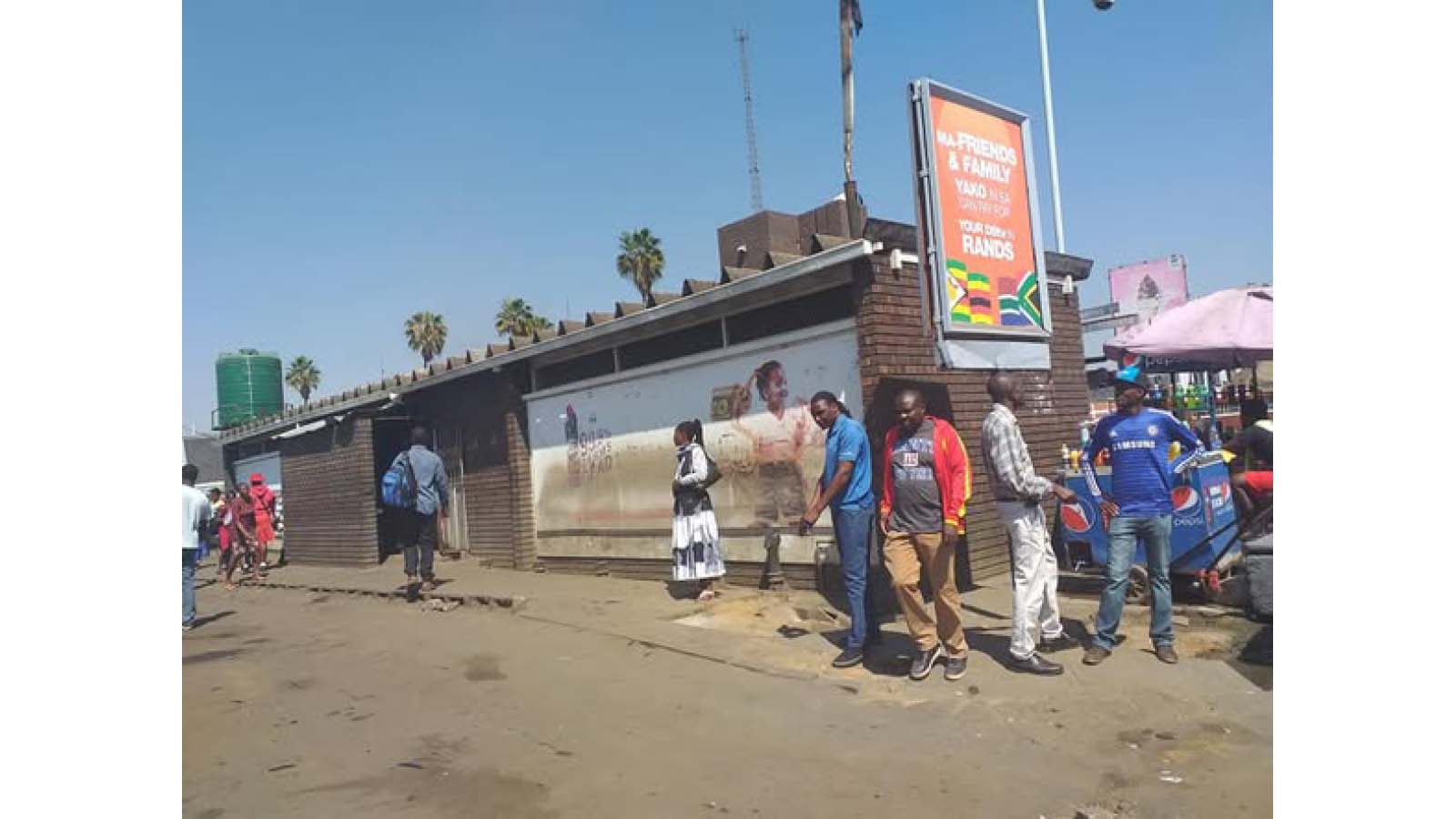
Veronica Gwaze
IT is 8.20am on a slightly sunny winter morning and Harare’s downtown is already teeming with activity, pumping life into the city’s heart.
At the public ablution facility at the corner of Bank and Leopold Takawira streets, a long queue has formed.
Men and women wait patiently for their turn to use the toilet.
Ms Agnes Serima clutches her worn black purse as she digs for US50 cents to pay for access.
“Council employees” standing guard collect cash payments from Serima and other users in the queue before handing a small piece of tissue paper to each.
To many, this appears to be the new norm, with the local authority said to have converted public toilets into paid ablution facilities.
However, investigations reveal a major scandal unfolding within the Harare City Council (HCC), where “criminal” syndicates are allegedly pocketing the proceeds.
Most HCC public toilets, typically meant to provide a free basic service for people, have been converted into pay-per-use ablution facilities, pricing many residents out of access. The few remaining public facilities are visibly failing to meet demand.
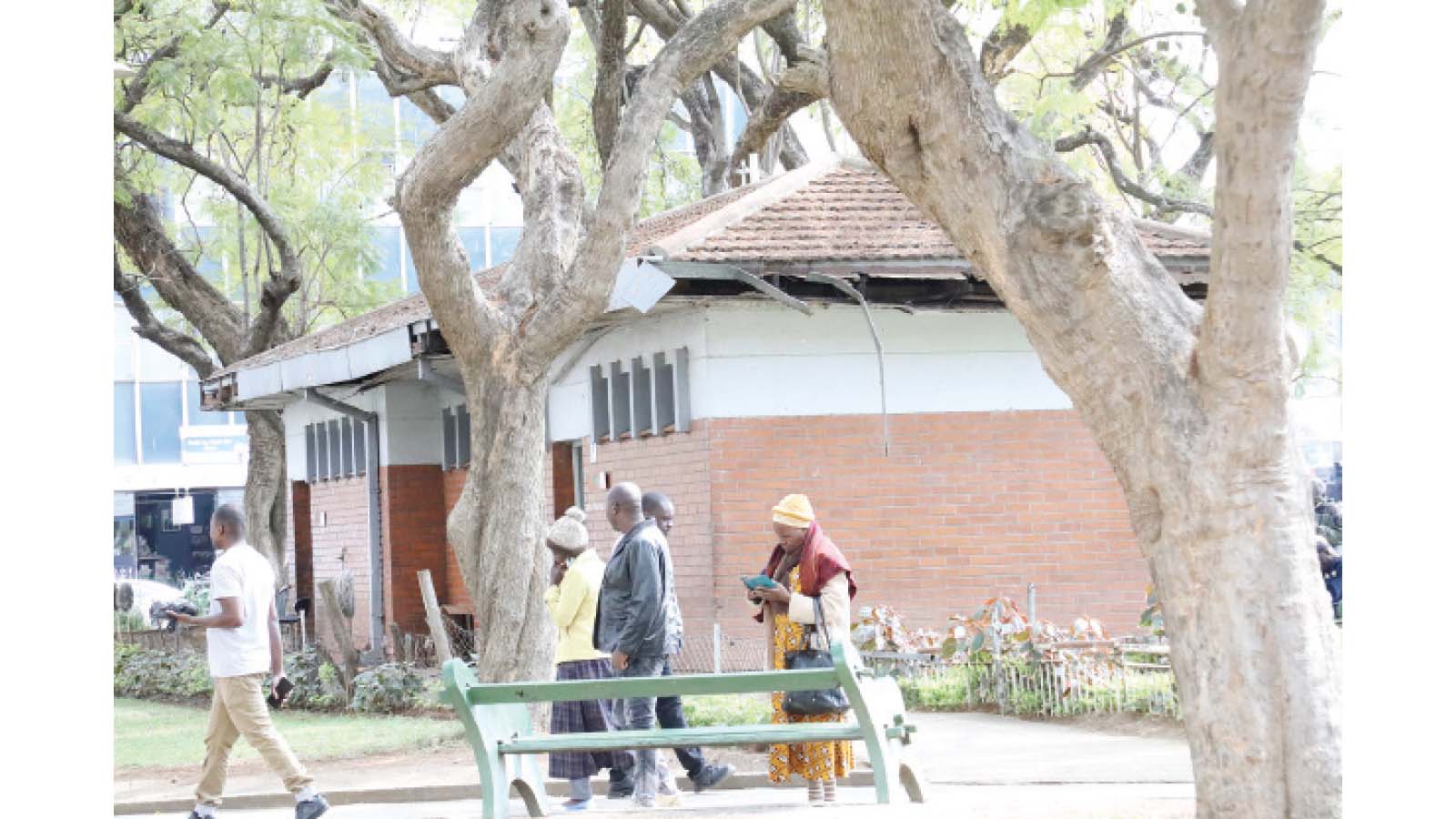
Reports indicate that a handful of rogue council employees pocket at least US50c per individual at each central business district (CBD) pay toilet as desperate users part with cash to access what should be free public facilities.
“The unspoken truth is that city life has become complicated because even answering the call of nature now comes at a price,” said Ms Serima.
“I am a vendor in town and daily I have to spare at least a dollar to access ablution facilities. Most people who cannot afford it are resorting to using open spaces.”
The mess
Over the years, the capital city has become heavily congested due to an influx of people — mainly informal traders — who enter the CBD for business, while others simply come to pass time in parks or jaywalk.
Paying to access ablution facilities is often considered a luxury some cannot afford because every cent counts.
Consequently, many opt to use street corners and open spaces to relieve themselves when nature calls.
The continuous sprouting of liquor stores, some illegal, has exacerbated the situation.
This has worsened the unsanitary conditions characterising the city centre and downtown areas as patrons frequently relieve themselves in alleys and other public spaces. To compound the situation, most buildings that have been turned into shopping malls and other business premises do not have adequate sanitary facilities for clients.
Other businesses, like fast-food outlets, often require customers to show a purchase receipt to access their toilets.
This leaves the option of public toilets.
Open spaces, pavements and passages near the former Ximex Mall, the Copacabana Bus Terminus, Kwame Nkrumah Avenue (adjacent to the Parkade) and Jason Moyo Avenue (next to a funeral parlour) are among the worst-affected areas.
Visitors walking near these areas are often greeted by the strong smell of urine and visible human waste.
Public drinkers, touts and vendors have turned public spaces and alleys into makeshift toilets.
“Our shop is next to the passage that leads to the backyard of all the surrounding stores and the outer walls reek of urine,” said Mr Innocent Madiro, a boutique operator.
“The passage is a convenient space for public drinkers who buy their alcohol from the liquor store located opposite our shop.”
Concerns
Ms Nyaradzo Manyani is a CBD vendor and mother of a three-year-old girl.
Unable to afford childcare, she used to bring her daughter to work, but she has since stopped doing so due to health concerns.
“The surroundings are no longer safe; it is now a ticking health time bomb as most of us cannot afford to pay for toilets,” she said.
“We used to access the toilets along Leopold Takawira for free, but now they charge us. I have to ask neighbours to look after my daughter when I am at work. I fear for her safety, but I have no choice.”
Ms Tendai Mazana has opted to stop buying fruits and vegetables from street vendors altogether.
“This is a health time bomb waiting to explode. Most people are using open spaces as toilets, and anything sold on pavements is now a risk,” she notes.
“After relieving themselves in the open, there is no water to wash their hands, creating a major health hazard.”
When free facilities are available, they are often in a deplorable state, making them nearly unusable.
“The toilets are free of charge, but if the public does not pay to use them, the place gets overwhelmed and dirty,” said a cleaner at one of the facilities.
“One must pay for the services; we clean this place and it cannot be entirely free and the good thing is that users do not complain at all.”
Using free public toilets in the city centre has become increasingly difficult because they are often dirty or closed due to water shortages. At some facilities, use of the bucket system has been adopted due to a lack of running water.
On busy days, the Copacabana Bus Terminus offers free toilet access only to pregnant women, people with disabilities and the elderly. This forces everyone else to use private pay facilities.
Conflict
Public toilets in the CBD and across the city are officially free, but a hidden “pay-to-pee” scheme continues.
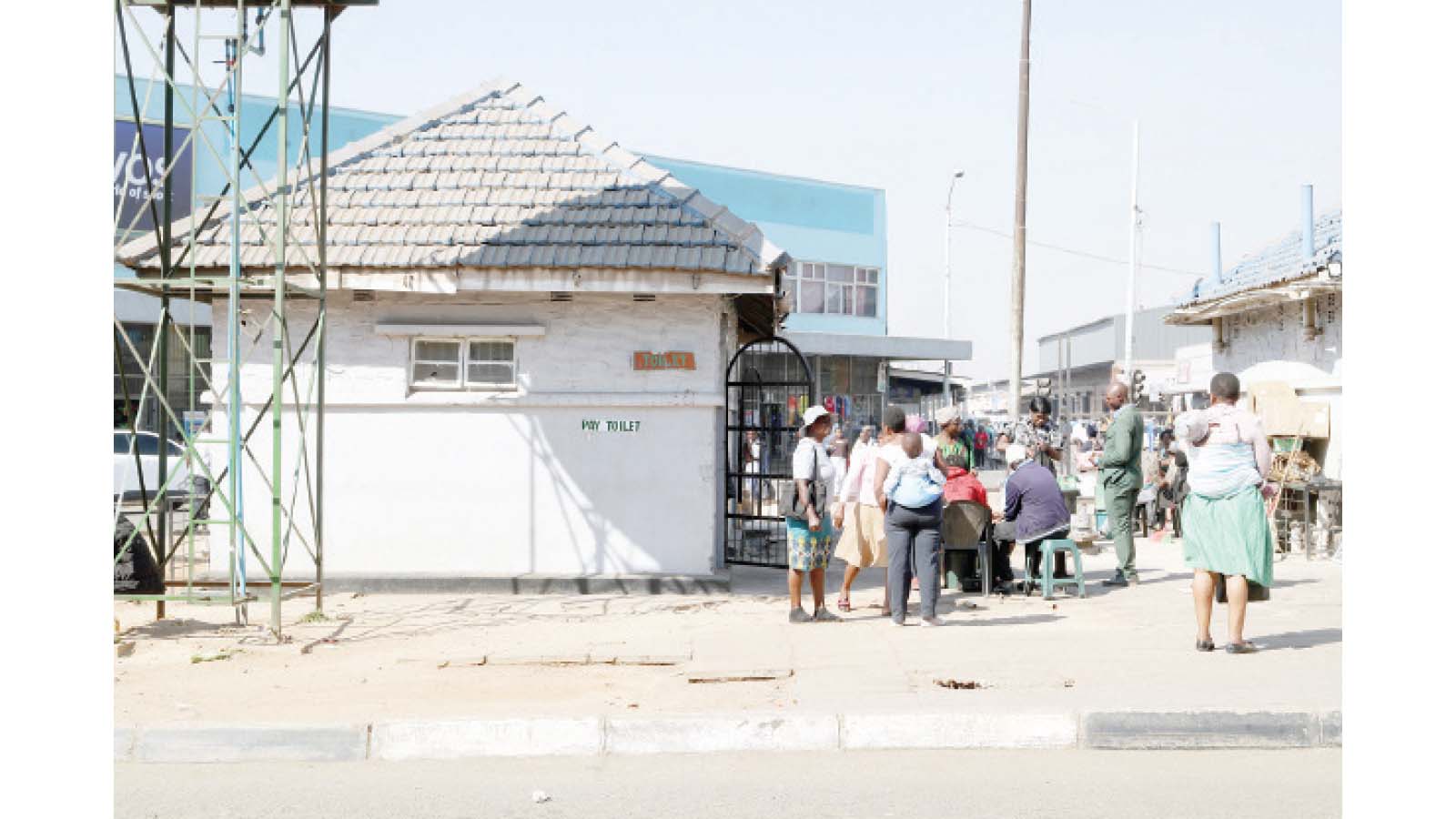
While the ablution block at the intersection of First Street and Jason Moyo Avenue is the only official pay facility, many other toilets across Harare now charge fees.
Harare City Council spokesperson, Mr Stanley Gama, confirmed that the city’s ablution facilities were classified into public and pay toilets.
“As for those that are paid for, it is council employees who stand guard there and then hand over the cash to HCC,” he said.
Investigations indicate that some of these facilities have been unofficially privatised, with individuals within the council benefitting from the funds and prejudicing the local authority of potential revenue.
This scandal first came to light in 2024 when the HCC announced it was engaging the Zimbabwe Republic Police (ZRP) to investigate and prosecute workers charging the public to use the facilities.
Unauthorised toll systems at several municipal toilets across the CBD — including Harare Gardens, Africa Unity Square, the Copacabana Bus Terminus, the Market Square Bus Terminus and Julius Nyerere Way — had continued unabated.
“If there are such scandals, we will definitely look into them and take action because these individuals are soiling the reputation of the council,” Mr Gama said.
The plan
Mr Gama added that local authorities are working to address toilet shortages by constructing new facilities and expanding existing ones. He did not divulge where these will be built and their size.
“Paperwork is already at an advanced stage and soon budgetary issues and groundworks will take shape,” he said.
“We are aware that our facilities are overwhelmed; the town is becoming congested and we have to work urgently to address that.”
Given the rot that has persisted for years, many remain sceptical about whether the local authority will genuinely resolve the crisis or curb the illicit conversion of public facilities for private gain.
Medical practitioner, Mr Johane Nyagura, emphasised that the local authority must act urgently to protect public health.
“Open urination and defecation contaminate public spaces, spreading waterborne diseases like cholera and typhoid,” he said.
“Furthermore, forcing those who cannot afford pay toilets to hold their urine for long periods causes bladder overdistension and acute urinary retention, steeply raising the risk of painful urinary tract infections and kidney damage.”
Elsewhere
In South Africa, the pay-toilet concept has become the new trend. One is charged a small fee (often via turnstiles, coin operators or attendants) to access public ablution facilities in places like shopping centres and filling stations. The system funds cleaning staff, toilet paper, soap and security while it stops vandalism and misuse
Public attention recently focused on unauthorised fees at public facilities, where security guards and staff illegally charged citizens to use toilets.
While investigations are ongoing, it was revealed that under South Africa’s national policy and the Free Basic Services framework, local municipalities have an obligation to ensure that indigent residents are not denied basic sanitation due to inability to pay.