Online Reporter
Sikhulekelani Moyo, [email protected]
ZIMBABWE’S impending assumption of the Common Market for Eastern and Southern Africa (COMESA) chairmanship has been described as a major boost for small and medium enterprises (SMEs).
The Government and business leaders have since called for direct business-to-business platforms to unlock regional trade.
Zimbabwe is set to officially take over the COMESA chairmanship for the 2026-2027 term from Kenya during the 25th Heads of State and Government Summit in Mt Hampden next month.
COMESA has a market size of over 640 million people and a combined Gross Domestic Product (GDP) of about US$1,2 trillion.
Around US$383 billion in global imports and exports is traded within the bloc.
Leadership of the bloc can give Zimbabwean industries several potential benefits, including a direct platform to push local goods into broader regional markets.
The chairperson of the National SMEs Advisory Council, which falls under the Ministry of Women Affairs, Community, Small and Medium Enterprises Development, Mr Dumisani Ncube, said the country’s chairmanship puts Zimbabwe in a position to steer regional economic integration and address long-standing barriers facing local businesses.
“Now that we are the leadership of COMESA, and we are chairing as a country, we as SMEs are very happy to hear that,” said Mr Ncube.
“It will be steering the economy. We need to coordinate our policies across the 21 member states to address our trading population, infrastructure deficiencies, and market access.”
Mr Ncube said the COMESA chairmanship role would allow Zimbabwean SMEs to gain prominence through business forums and exhibitions, create partnerships with investors from other countries, and expand exports.
He also linked the chairmanship to accelerating the implementation of free movement protocols and leveraging the African Continental Free Trade Area (AfCFTA).
A key focus, Mr Ncube said, will be reducing investment risk for SMEs.
“Most of our SMEs have been scammed when trying to get investors. Some investors say ‘put so much into my account so that I become your partner,’ and in the process people lose money,” he said.
“Now with these summits, they will be talking directly to the right investors and Government will be involved. That builds confidence.”
Mr Ncube added that hosting the upcoming COMESA rotational summit in Zimbabwe will help change perceptions about the country.
“Because of bad publicity, some people still view Zimbabwe negatively. But now that the summit is coming here, they will see first-hand what our reforms are about.
“That will encourage investors to come in knowing they are protected and that deals are credible,” he said.
Mr Ncube urged policymakers to use this moment to fast-track reforms that directly benefit SMEs.
Bulawayo Vendors and Traders Association executive director, Mr Michael Ndiweni, welcomed the chairmanship but said speeches alone would not be enough.
He called for structured business-to-business (B2B) interaction on the sidelines of the COMESA meetings.
“We need to facilitate business-to-business interaction or pitching sessions,” said Mr Ndiweni.
“If there are COMESA conferences, our Government can facilitate interaction between our micro, small and medium enterprises and companies from other member states.”
He proposed dedicated pitch sessions where entrepreneurs can market products, state what they are sourcing, and meet potential buyers and suppliers.
“Beyond the conferences and speeches, we need physical spaces where importers and exporters interact directly. They can exchange ideas and share information on import and export requirements,” he said.
“That is more meaningful — buyer meets seller, one-on-one.”
Mr Ndiweni said Zimbabwe should lead by creating those direct market linkages, turning policy discussions into tangible deals for local traders.
It is expected that the leadership role will provide the country with the leverage to address trade imbalances by promoting local value addition and removing regional trade barriers.
The leadership role aligns with national goals to accelerate domestic industrialization and job creation.
Local firms can also be enabled to integrate into regional manufacturing and supply networks.
Hosting the summit helps rebrand Zimbabwe as an active, open-for-business trading partner amid shifting global supply chains
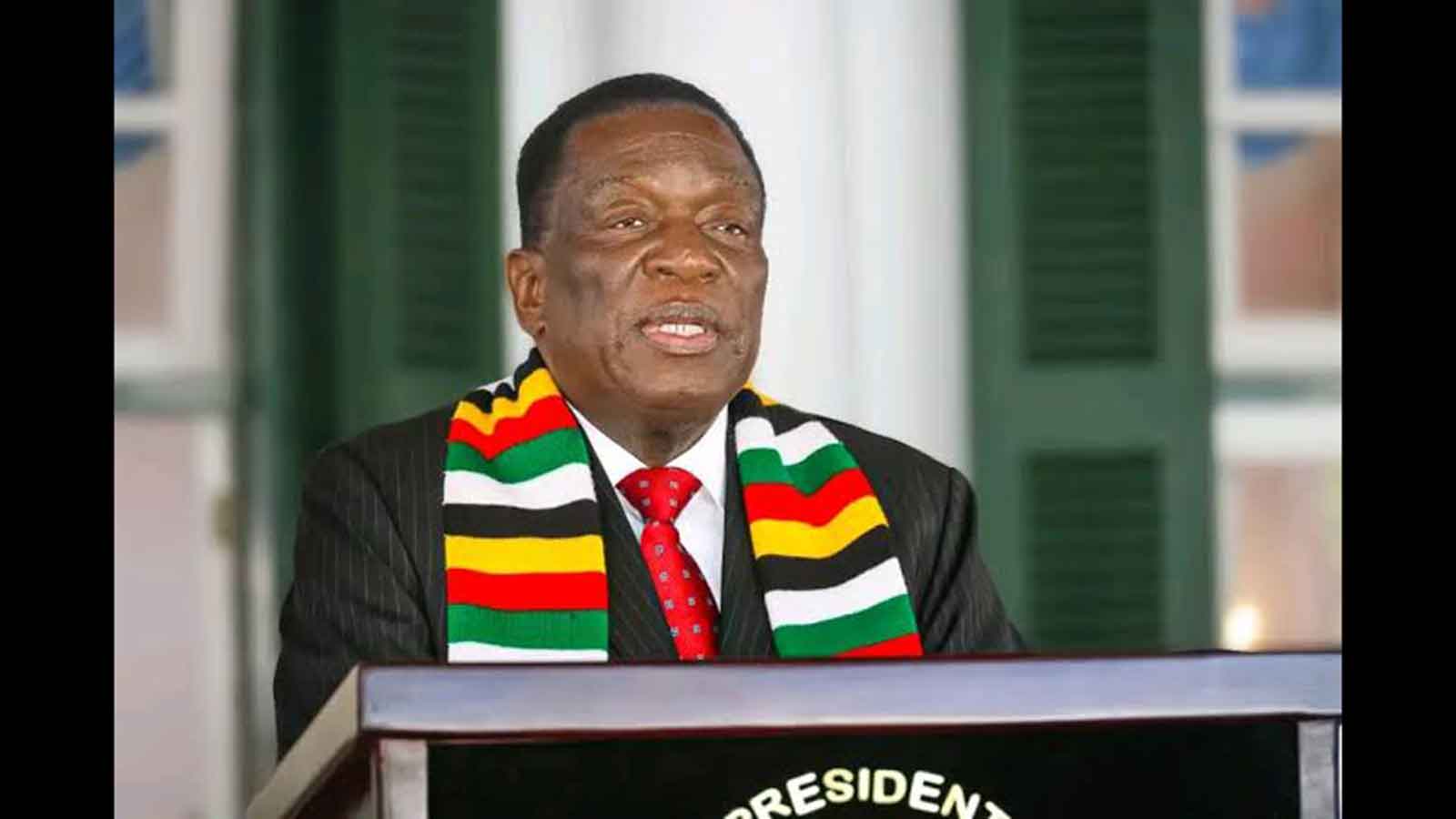
Zimbabwe will therefore make history next month when it officially assumes the chairmanship of COMESA, a position that will see President Mnangagwa take over the reins of one of Africa’s largest and most influential economic blocs.
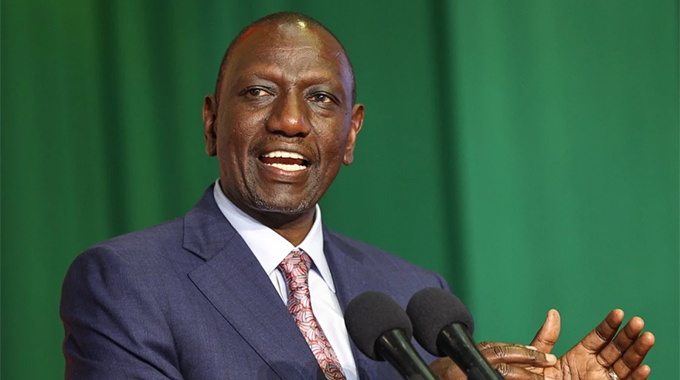
President Mnangagwa will succeed his Kenyan counterpart, President William Ruto, at a time when regional integration and economic self-sufficiency have become pressing priorities for the continent.