Online Reporter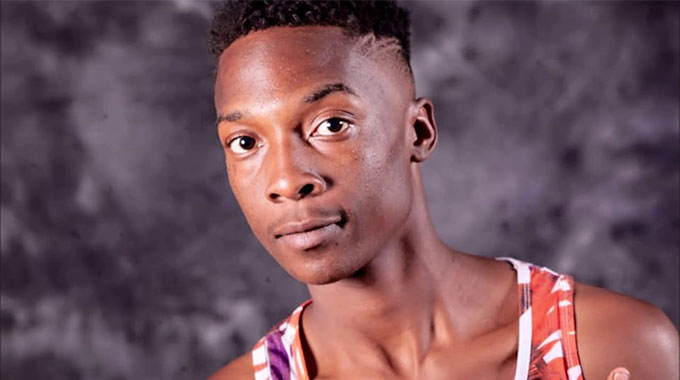
SOCIAL media was set ablaze yesterday with news that Zimdancehall artiste, Takura “Blot” Chiwoniso has checked into a rehabilitation centre in Harare in his fight against drug abuse.
The Harare Cup Clash winner recently opened up about his desire to confront his demons.
In a genre known for its raw energy, lyrical bravado, and streetwise authenticity, Zimdancehall has become the heartbeat of Zimbabwe’s urban youth culture.
Yet beneath the pulsating rhythms and electrifying stage performances lies a troubling undercurrent—drug and substance abuse. The decision to accept a free rehabilitation offer marks a pivotal moment not only in his personal journey but also in the broader narrative of Zimdancehall’s future.
Blot, once hailed as one of the most promising voices in the genre, has faced a turbulent path marred by drug-related controversies. His arrest in 2023 for possession of crystal meth was a stark reminder of the dangers lurking behind fame and fortune. Now, thanks to the intervention of well-wishers, Blot has been offered a lifeline: free rehabilitation and a chance to rebuild his life and career.
This gesture is more than charity—it’s a call to action.
Musicians, especially in genres like dancehall that resonate deeply with youth, are more than entertainers. They are cultural influencers, role models, and, often, the voice of the voiceless. When artists fall prey to substance abuse, the ripple effects extend far beyond their personal lives.
Young fans emulate their idols, and when those idols glamorize or succumb to drug use, the consequences can be devastating.
Blot’s decision to seek help should be applauded—not just for its courage but for its potential to inspire others. It’s a powerful statement that vulnerability is not weakness, and that redemption is possible.
Zimdancehall has seen a worrying trend of artists battling addiction. From Dobba Don’s repeated stints in rehab to Blot’s own struggles, the genre is at a crossroads. The allure of quick fame, coupled with the pressures of performance and street credibility, has created a toxic cocktail that many young artists find hard to resist.
Crystal meth, cough syrups, and other substances have become disturbingly common in studio sessions and backstage hangouts. The result? Stunted careers, broken lives, and a genre that risks losing its brightest stars before they truly shine.
The music industry must take a proactive stance. Recording studios, promoters, and managers need to implement anti-drug campaigns and wellness programs.
The involvement of faith-based organizations in Blot’s rehabilitation is a testament to the power of community support.
Zimdancehall artists should know that talent is a gift, their platform is powerful and they should not squander it chasing fleeting highs.
Blot’s story is not just his own—it’s a mirror reflecting the choices and challenges facing many in the genre. Let his brave step into rehab be the beginning of a movement. A movement where artists uplift each other, where sobriety is celebrated, and where music becomes a tool for healing, not destruction.
It is everyone’s wish that we build a music industry where talent thrives, where artists are protected, and where the music speaks not just to the streets, but to the soul.