Chronicle Editor
Bulawayo’s water crisis demands urgent attention. Immediate solutions are crucial to ensure clean and safe water for the city’s resilient residents.
The city’s water supply has been dwindling for years, exacerbated by climate change, population growth, and inadequate resource management.
Residents face unprecedented challenges. Clean water, a basic necessity, is scarce. Health, livelihoods, and overall quality of life are at stake.
Erratic rainfall patterns and prolonged droughts have strained water sources. Another problem is population growth: As Bulawayo’s population grows, so does water demand.
Inadequate infrastructure maintenance and poor water management also contribute to the crisis.
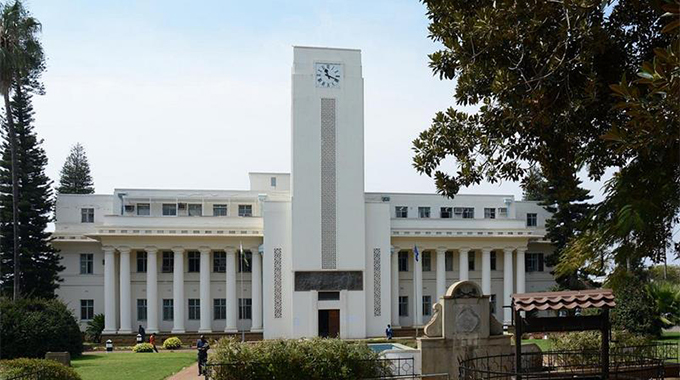
As we report elsewhere in this issue, the city is on a 120-hour shedding schedule as Bulawayo City Council (BCC) is struggling to pump enough raw water into its reservoirs, resulting in some residents collecting water from unhygienic shallow wells in swampy areas.
BCC cannot sit and watch. Using unsafe water can have serious health consequences.
Contaminated water often harbours harmful micro-organisms such as bacteria, viruses, and parasites. These can cause diseases like cholera, typhoid, dysentery, and hepatitis A.
Some water sources contain elevated levels of heavy metals like lead, arsenic and mercury. Prolonged exposure can lead to poisoning, affecting the nervous system, kidneys, and other organs.

The water crisis in Bulawayo is just but part of a complex web of issues affecting the city. Among these, the performance of opposition-led councils which has come under scrutiny.
For over 20 years, Bulawayo has been a stronghold of opposition parties, particularly the Movement for Democratic Change (MDC) and its various factions.
Residents looked to these opposition-led councils for effective governance, service delivery, and improved living conditions.
Basic services such as water supply, waste management, and road maintenance have faltered. Potholed roads, erratic water availability, and uncollected garbage are daily frustrations.
Most of these problems are a result of incompetence and failure to plan. Instead of dealing with real issues and planning, opposition councils continue to let the city down.
Bulawayo’s struggle is not solely about party politics; it’s about the well-being of its people. As the city navigates these complexities, citizens hope for sustainable solutions that transcend political boundaries.
BCC must work closely with the central Government and admit that it has no capacity at all to provide both short-term and long-term solutions to Bulawayo’s water crisis.
Until the council is ready to take over, the Government must run the city’s water department.
Bulawayo’s water crisis demands draconian action. Period!



 Online Reporter