Before a child can dream of becoming a doctor, teacher, engineer or entrepreneur, they must first be given a fair chance at life.
For many children born with physical disabilities, that chance often begins with something most people take for granted — the ability to stand, walk and move independently.
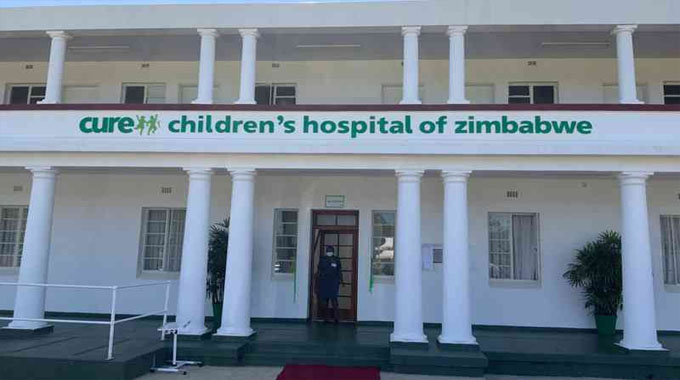
This is why we find the work being done by Cure Children’s Hospital in Bulawayo super special and deserving of praise.
We wrote on Saturday that since opening its doors in May 2021, the hospital has conducted 5 600 surgeries for children living with physical disabilities.
Its contribution goes far beyond medical treatment. It is restoring dignity, confidence and independence to children who might otherwise have remained excluded from many aspects of everyday life.
The fact that 56 percent of children who have received treatment and rehabilitation support have, as we reported, returned to school is particularly encouraging.
Education remains one of the most powerful tools for breaking cycles of poverty and exclusion.
When a child regains mobility and returns to the classroom, the benefits extend far beyond the individual. Families are strengthened, communities become more inclusive, and the nation gains productive citizens who can contribute meaningfully to economic and social development.
The establishment of an in-house prosthetic laboratory last year marked another important milestone. By reducing waiting times and improving access to specialised assistive devices, the hospital has demonstrated how innovation and investment can significantly improve healthcare outcomes.
Equally commendable is the institution’s commitment to skills transfer. By bringing international specialists to work alongside local medical practitioners, the hospital is helping build a pool of Zimbabwean expertise that will continue serving future generations long after visiting experts have returned home. This approach strengthens the country’s healthcare system while reducing dependence on external support.
The planned expansion of the hospital is, therefore, welcome and timely. Additional facilities, workshops and specialised services will enhance its ability to respond to growing demand and ensure that more children receive the care they need.
Our country, like most in Africa, faces challenges in providing specialised healthcare services, particularly for vulnerable groups.
However, institutions such as Cure Children’s Hospital are helping to bridge that gap while complementing Government efforts to improve healthcare delivery.
As executive director, Jonathan Simpson aptly observed, the hospital represents “first steps once thought impossible, classrooms revisited after years away, and futures rewritten with courage, dignity and hope.”
Those words capture the true significance of the institution’s work, the services that it provides, specialist services that we never imagined could be available locally.
Every child deserves the opportunity to reach their full potential regardless of physical circumstances. By helping children take their first steps, Cure Children’s Hospital is helping them take the first steps towards brighter futures.
Its continued growth and expansion should be supported, celebrated and honoured as a national success story.
COMMENT: Cure Hospital a national success story