Online Reporter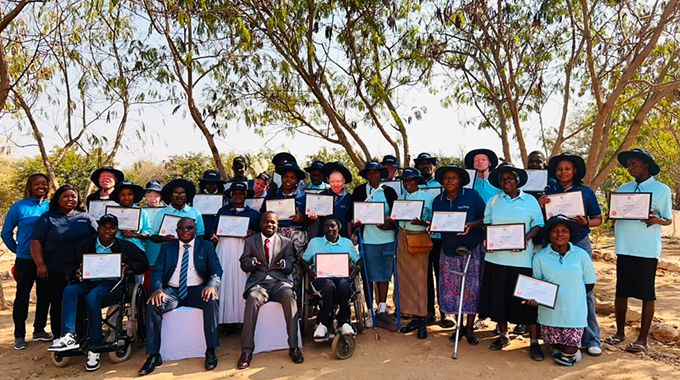
Digital inclusion has become one of the defining measures of whether a society is genuinely committed to equal opportunity. As governments, businesses, schools and financial institutions increasingly migrate their services online, digital literacy is a necessity, not just a desirable extra skill.
For persons with disabilities (PWDs), the ability to use computers and the internet can be the difference between dependence and independence, exclusion and participation, unemployment and meaningful livelihoods.
Against this backdrop, the initiative by the Postal and Telecommunications Regulatory Authority of Zimbabwe (POTRAZ), working with the Internet Society Zimbabwe Chapter and the Nkomwa Foundation Trust as we write elsewhere in this edition, must be celebrated.
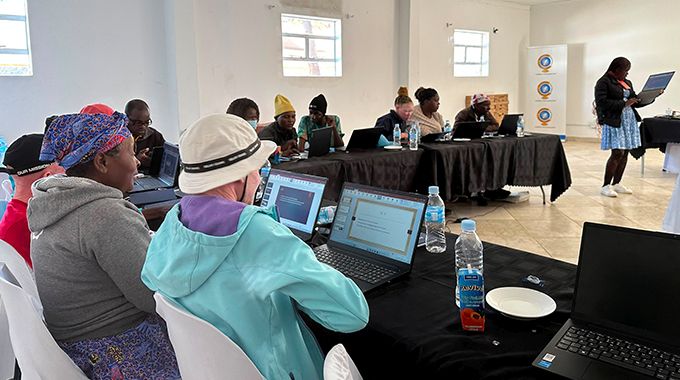
Training 29 participants from Matabeleland South may appear modest in isolation, but it forms part of a much broader national effort that has already equipped hundreds of PWDs with digital skills.
More importantly, it demonstrates that disability should never be a barrier to participating in Zimbabwe’s digital economy.
The programme recognises an important reality. People with disabilities possess enormous talent, determination and creativity, but what has often been lacking is opportunity.
By tailoring training to different forms of disability, the organisers ensured that every participant could engage with technology on an equal footing. This is precisely the kind of practical inclusion that the country needs.
However, skills without the necessary tools quickly fade into frustration. A participant who learns to use a computer but has no access to one afterwards is unlikely to maximise the benefits of the programme.
Likewise, someone trained to navigate online platforms cannot fully participate without reliable internet connectivity and affordable digital devices.
POTRAZ has already taken an important step by distributing computers to institutions serving PWDs and supporting internet connectivity.
While this is commendable, the next challenge is ensuring that individuals themselves can acquire the gadgets they need for everyday use. Laptops, tablets, smartphones and assistive technologies remain prohibitively expensive for many of us, particularly for people with disabilities, many of whom already face higher living costs and limited employment opportunities.
Government, financial institutions, development partners and the private sector should therefore work together to establish affordable financing mechanisms, grants or subsidised schemes that enable PWDs to own digital devices.
Employers could also be encouraged to support workplace technology for disabled employees, while corporate social responsibility programmes should increasingly prioritise assistive digital equipment rather than one-off donations.
The benefits would extend far beyond the individuals concerned. Equipped with both skills and appropriate devices, persons with disabilities can start online businesses, work remotely, access digital financial services, pursue further education, compete for jobs and contribute more effectively to the national economy.
They become taxpayers, innovators, entrepreneurs and active participants in community development rather than passive recipients of assistance.
The graduates in Beitbridge have demonstrated that, when given the opportunity, persons with disabilities are eager to learn and ready to contribute. The country has provided them with knowledge. It must now ensure they have the tools to turn that knowledge into lasting economic opportunity.