Online Reporter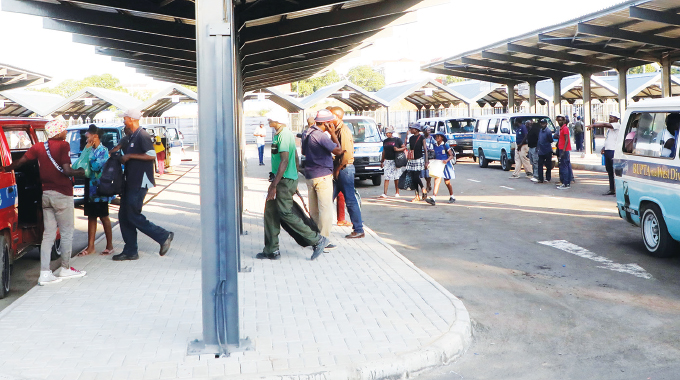
ACCOUNTABILITY is a cornerstone of effective governance, particularly at the local level where decisions directly impact the daily lives of residents.
Local authorities are responsible for a wide range of services, including infrastructure development and maintenance, as well as public health and safety.
Ensuring that these authorities are accountable to the public is essential for fostering trust, promoting transparency, and delivering high-quality services.
The Egodini Mall and Transport Hub redevelopment project in Bulawayo is a prime example of how dodgy deals can scare investors and erode public trust.
Initially, the project promised a state-of-the-art shopping complex and integrated bus terminus, but nearly a decade later, only a basic taxi rank has been delivered.

The recent proposal by the contractor, Terracotta Trading (Pvt) Ltd, to slash its investment from US$60 million to just US$10,5 million has further alarmed the public.
Such drastic changes in project scope and investment can be unsettling for several reasons.
When a contractor significantly reduces their investment, it signals potential financial instability or a lack of commitment. This erodes trust among stakeholders, including the city council, residents, and potential investors.
The delays and uncertainty surrounding the project mean that local businesses miss out on the potential increase in foot traffic and sales that a completed mall and transport hub would bring. This is particularly detrimental for small businesses that rely on high customer turnover.
The failure to complete the project has exacerbated congestion and disorder in the city centre. This is why the delays and changes in the Egodini project have already drawn sharp criticism from residents and civic groups.
The proposed reduction in investment triggers legal requirements to re-advertise the project under public procurement regulations. This adds layers of complexity and delays, further deterring investors who seek stability and predictability.
Reducing the budget from US$60 million to US$10,5 million raises serious concerns about the quality and scope of the final project.
As noted by city officials, such a drastic cut could compromise the original vision, leading to subpar outcomes that fail to meet community needs.
Investors are wary of projects with shifting goalposts and financial constraints. The uncertainty surrounding the Egodini project, including the need for a comprehensive implementation plan and performance bond, highlights the financial and operational risks involved.
Public confidence is crucial for the success of large-scale developments, and any perception of mismanagement or failure can have long-lasting negative impacts.
Accountability in local authorities is essential for good governance and the well-being of communities.
By prioritising transparency, responsiveness, legal and ethical standards, performance measurement, and public participation, local authorities can build trust, improve service delivery, and create a more inclusive and effective governance system.
For future projects, Bulawayo City Council must ensure successful outcomes.