Online Reporter
Stanford Chiwanga, Quality Editor
THERE’S a heavy, familiar ache that settles upon the heart of all football fans in Zimbabwe. It’s the ache of what might have been — the gnawing regret of talent extinguished too soon, of dreams shattered before their prime. Time and again, the nation has mourned not just the loss of a player, but the silencing of an unfinished masterpiece — the unplayed passes, the unscored goals, the unshared wisdom that death has so cruelly stolen.
Just days ago, the footballing world paused in collective disbelief as news filtered through of Brian Banda’s tragic passing. At just 29, the FC Platinum captain and dynamic midfielder — who embodied the modern game’s blend of skill and leadership — was snatched away in a horrific car crash. His journey from Zvishavane to Bulawayo ended abruptly, leaving behind a void not just for his club, but for a nation that had watched him blossom from a promising Highlander into a true footballing general. What more could he have offered the Warriors? What more magic would he have woven in the midfield? We’ll never know.
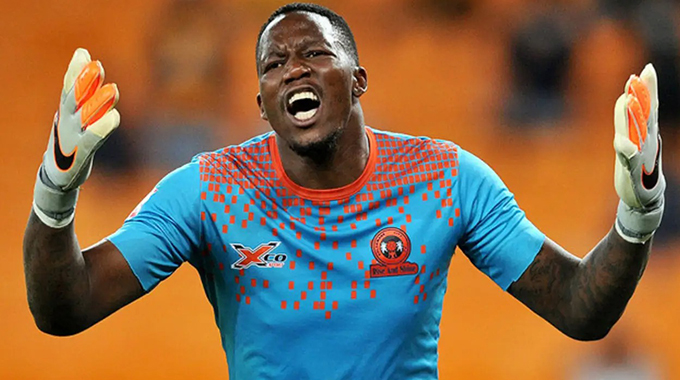
Banda’s untimely demise is merely the latest, painful chapter in a long, tragic saga. Just over a year and a half ago, in November 2023, we bid a heartbroken farewell to Rahman Gumbo. At 59, “Rush” was more than a coach — he was a living legend, a Warriors and Highlanders icon whose tactical prowess and fiery passion had illuminated pitches for decades.
His sudden collapse in Botswana, followed by his death in hospital, robbed Zimbabwe of a coaching maestro, a mentor who still had so much to impart to the next generation of footballing minds. Imagine the strategies he would have devised, the young talent he would have nurtured.
And who can forget the collective gasp that rippled through the nation when Adam Ndlovu was taken from us in December 2012? The “Adamski” of Highlanders and the Warriors, a striker with a predatory instinct and infectious smile, died in a devastating car crash near Victoria Falls.

His brother, the legendary Peter Ndlovu, survived — but the family, and the nation, lost a vital piece of its footballing soul. Adam was only 42, with so much more wisdom to share as a coach, so many more tales from his illustrious career to tell.
The year 2004 remains etched in collective memory for its brutal triple blow. Blessing Makunike, Shingirai Alron, and Gary Mashoko, all bright stars of CAPS United, perished together in a fiery car crash after a match in Bulawayo. Makunike, a gifted midfielder, was just 27.
These were young men on the cusp of fulfilling their immense potential, their careers tragically cut short before they could truly reach their peak. The sheer waste of such talent is almost unbearable to contemplate.
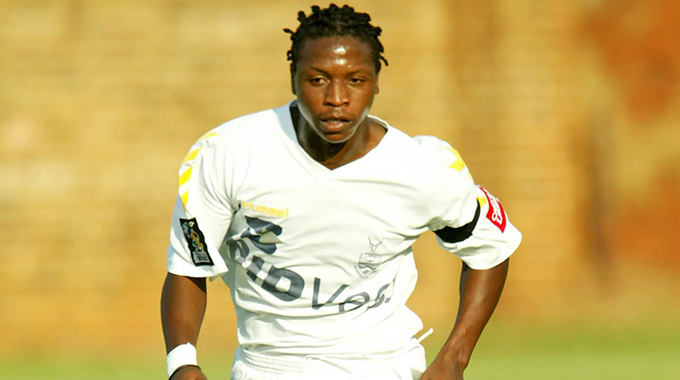
Among these heart-wrenching losses, the passing of George Chigova adds another layer of profound sadness. In November 2023, at the age of 32, the towering goalkeeper tragically succumbed to a heart ailment. Chigova was a formidable presence between the posts for clubs like Dynamos and SuperSport United, and a reliable giant for the Warriors.
His calm demeanour, incredible shot-stopping abilities, and commanding presence in the box made him a fan favourite. His death, coming just before Rahman Gumbo’s passing, was a double blow to the nation’s footballing spirit. What more incredible saves would he have pulled off? What more leadership would he have offered from the back? His potential was still so vast, and his absence leaves a massive void in Zimbabwean goalkeeping.
But the cruel hand of fate has reached into the heart of our nation’s football long before these recent tragedies. Cast your mind back to 1999, when the nation mourned the loss of another immense talent: Benjamin Konjera. A dynamic midfielder for Highlanders and a key figure for the Warriors, Konjera was a formidable presence on the pitch, known for his relentless energy and crucial contributions. His death due to an illness, at the painfully young age of 27, sent shockwaves throughout the footballing fraternity. He was in his prime, a cornerstone of the national team, with a promising career still stretching out before him. What more could he have achieved for the Warriors? What indelible mark might he have left on the international stage? His passing was a stark reminder of how fragile life is, and how quickly brilliance can be extinguished.

And the list of Bulawayo’s footballing losses goes further back, to a truly legendary figure. Titus Majola, a name synonymous with Highlanders, passed away tragically in 1989 at the young age of 34. Majola was a powerful and tireless midfielder. His death was particularly shocking, as he was stabbed outside a Bulawayo nightclub while reportedly trying to intervene in a fight.
The list of sudden departures goes on, each name a reminder of what might have been. Norman Maroto, the Dynamos and Warriors striker, gone too soon at 40 after a short illness in 2024.
Maphias Webb, a versatile midfielder, collapsing on the pitch during a social match in 2015. Nyasha Chakanyuka, dying during a training session in 2016. Eliah Munyaradzi and Elisha Chikuni, both falling in the middle of matches, their passion literally consuming them.
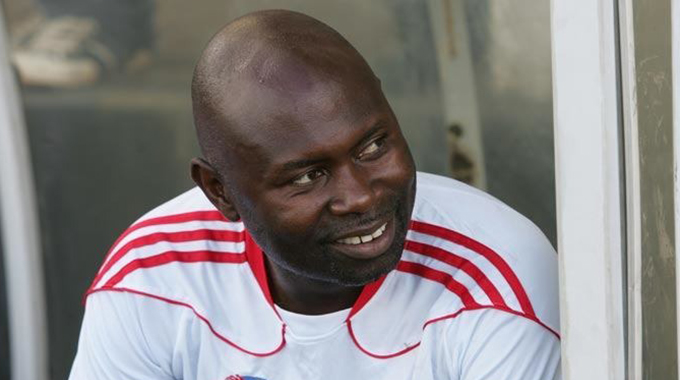
Even the seasoned Paul Gundani, a Warriors defender and later a prominent sports administrator, was taken by illness in 2015.
Who can forget Willard Khumalo, the Bosso legend whose life was cut short by diabetes in 2015? Indeed, the list of those lost is tragically endless, a roll call so extensive it would require a book to truly document them all.
And the nature of these losses is varied and equally devastating. The horrifying murder of Charles Yohane in South Africa in 2022, a former Bidvest Wits and national team defender, highlighted the dangers beyond the pitch.
The quiet departure of Richard Choruma in 2020 due to kidney failure. The 2024 news of Ephraim “John Barnes” Mwale passing during surgery in Johannesburg.
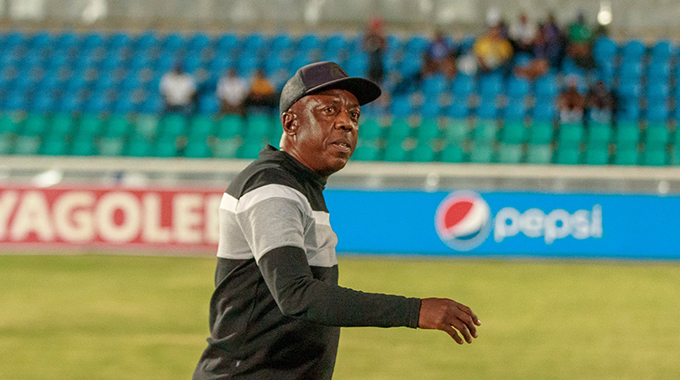
This isn’t just a list of names and dates — it’s a roll call of unfulfilled promises. Each player, each coach, each administrator, possessed a unique gift that enriched the fabric of Zimbabwean football. They were not merely athletes; they were heroes, role models, entertainers, and innovators. Their sudden exits leave gaps in teams, in coaching staffs, and most profoundly, in the hearts of a nation that adored them.
Each of these individuals had more to give. More matches to play. More goals to score. More young players to inspire. More communities to uplift.
Their deaths are a sobering reminder of the fragility of life and the unpredictability of fate. They also highlight the need for better health monitoring, safer transport, and stronger support systems for athletes in Zimbabwe.
But beyond the statistics and the sorrow, there is a legacy. These players and coaches left behind memories, moments of brilliance, and a blueprint for future generations. They showed us what it means to play with heart, to lead with humility, and to live with purpose.
We mourn the goals unscored, the victories uncelebrated, the young players unmentored. We lament the tactical brilliance that will never grace our dugouts, the inspiring leadership that will never rally a team to glory.
Death has indeed robbed Zimbabwe of its finest talent, leaving us with cherished memories — but also a profound sense of loss for the brilliance that still had so much to offer our beautiful game.
The echoes of their talent resonate, but the work of art they were crafting remains painfully, tragically, unfinished.