Chronicle Editor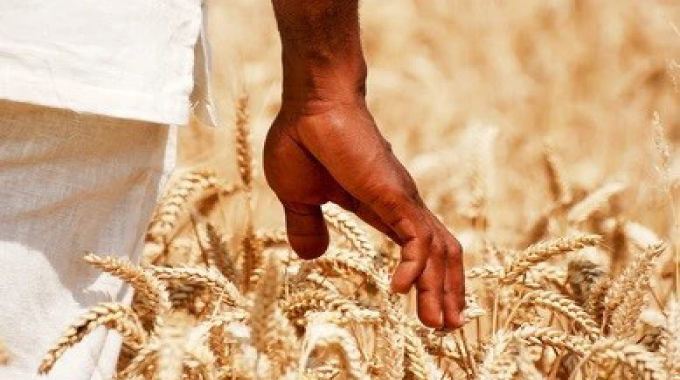
WINTER is upon us. Mornings and evenings are getting chilly. Afternoons are still clear but temperatures are a little subdued. In the next few weeks, whole days would be cold.
This is a key season for our country in terms of agriculture. We grow our second biggest and second most important cereal after maize over that period — wheat.
The Government, farmers and input suppliers have been hard at work putting in place all the tools and processes together for a successful season. Planting started in the second half of April as usual and is ending in most parts of the country around this time.
However, the lowveld still has until the end of this month to sow.
The Government set a target of 120 000 hectares under wheat this season, a marked rise from 90 000ha last year. The country reaped a record 467 905 tonnes of the grain last year with hopes that this year, we will break that production record to pick 600 000 tonnes. We consume around 320 000 tonnes yearly, which means that if farmers meet this year’s target, the country will have an even bigger surplus — some 280 000 tonnes.
We are optimistic that the targets that the Government has announced in terms of planting and output will be achieved.
The country is emerging from one of its worst droughts in many years after a long dry spell scorched crops to leave us reaping 868 000 tonnes of grains, a massive 62 percent less than last year’s harvest. Maize will be around 696 000 tonnes with small grains constituting the rest.
Even though the summer harvest was small, the rains that fell over that time and accumulated in dams nationwide will be enough to ensure successful irrigation this winter.
Government recently said the national dam level of 77 percent is more than adequate to irrigate the 120 000ha targeted under wheat this year. In fact, national dams and other sources of water are holding sufficient water to irrigate a total of 141 000ha based on verified installed irrigation capacity at a rate ranging from 5 mega litres per hectare (ML/ha) to 7ML/ha, depending on the agro-ecological region, the type of irrigation system and other factors.
Zesa has also assured farmers that they will enjoy uninterrupted supply of electricity. Considering our experiences of the past few months of smooth availability of power, we are sure that the utility will be up to the challenge. Electricity output is averaging 1 300 megawatts (MW) lately. Yes, the drought has hit output at Kariba, but coal-fired Hwange is making up for that, an average 800MW.
With these two key inputs guaranteed, we are confident that the planting target is being met and the production target will be met come October. Last season’s yield was an average five tonnes per hectare. Going by this year’s planned total plantings and output, the yield will be about six tonnes per hectare. That will be a huge, welcome leap in average output for the small cereal.



 Online Reporter