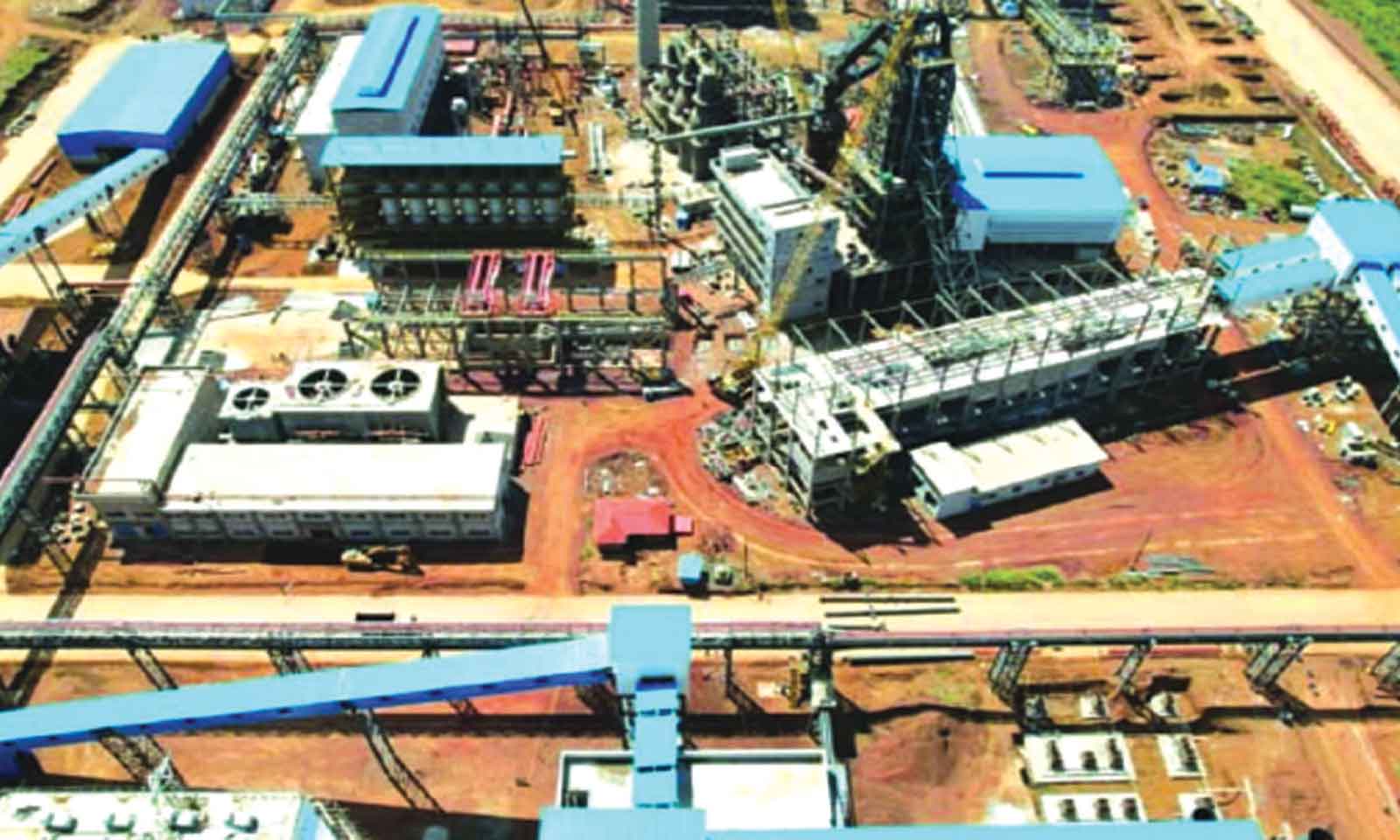
ALREADY the largest single investor under the Second Republic with US$1,5 billion having been spent on the Manhize steelworks, Tshingshan Group now plans another US$500 million in investment over the next four years through its Zimbabwean subsidiary Dinson Iron and Steel Company.
These plans for increasing an already substantial investment show up the success of the pro-investment and pro-business policies of the Second Republic, as well as the very comprehensive and competent management of Dinson.
A good deal is being reinforced and expanded steadily and with determination.
From the beginning of its commitment to invest in Zimbabwe with such a large steelworks, Tsingshan recognised that it would involve more than just building a steelworks near convenient iron ore and limestone.
A complex strategy saw significant investment to mine coal, build a coking plant to produce the third major raw material, build a 50MW coal-fired thermal station, and work out a financing deal with Zesa to run a top-end extension of the national grid from the Sherwood connection to Manhize so adequate power could be rotated in from the power station.
This was over and above the normal investment in the actual steelworks, which includes a second 20MW power station powered by the flue gases from the steelworks that would otherwise just be discharged into the air to increase pollution.
This concept of recycling waste to cut costs as well as minimise environmental damage will be seen again in the planned cement factory at Manhize, which will take the process a step further to generate income from waste as well as having customers paying to buy the final product and minimise local pollution.
So the US$1,5 billion already spent was not a tap spewing cash, but rather what was spent in a very tightly controlled development, each dollar counting at least once and preferably twice.
Manhize uses the latest steelmaking technology in its continuous flow process, again ensuring a quality product, or rising range of products, that hard headed business owners in Zimbabwe and now the region want to buy.
This stress on quality and fair pricing means that Manhize steel has been bought locally and exported from the time the first furnaces were fired up.
Most of the planned additional investment will be used to make more steel and more steel products but a moderate slice has been earmarked for other projects.
One of these is a US$15 million cement factory, centred on the waste slag from the steelworks which is actually an important raw material for cement, along with limestone, available locally and in reasonable distance.
With 2 000 people already hired, Dinson wants to upgrade training with a local company training institute. The steelworks used a lot of individual mentoring and one-on-one training at the start.
The largely Chinese development engineers each had a Zimbabwean engineer to understudy them, ensuring that the locals would, once everything was assembled and ready, have a detailed grasp of the equipment and all its ins and outs.
A more formal institute will allow batch training, which is more efficient once what can be considered the first generation of staff are well in place. Like most investors Tsingshan will be looking to localise as many posts as possible.
Foreign workers, even if paid the same, need home leave, have to cope with distant family emergencies and even need their children educated in the home country.
We have seen the switch-over to almost entirely local staff in other investments, such as platinum mining where the largest mines from mine manager to lowest grades are Zimbabwean these days.
Manhize is getting a well-planned town for staff, with Dinson building some of the houses. Local schools are being upgraded and expanded, necessary as that large staff start their families and settle down permanently near the steelworks.
Already the steelworks is driving parts of the Zimbabwean economy downstream. For example, all the steel in construction reinforcing bars is now Manhize steel, Zesa pylons are Manhize steel, those needing steel bar use Manhize steel, with the range of these industrial materials going to rise as new investments are added.
Already manufacturing has moved up the GDP ladder to second place after mining, although a fair block of manufacturing is the processing and milling of the raw materials from fourth-placed agriculture.
But manufacturing expansion will be far faster as steel and other products of a new heavy industrial base are turned by the secondary industries into products ordinary people buy in shops.