Chronicle Editor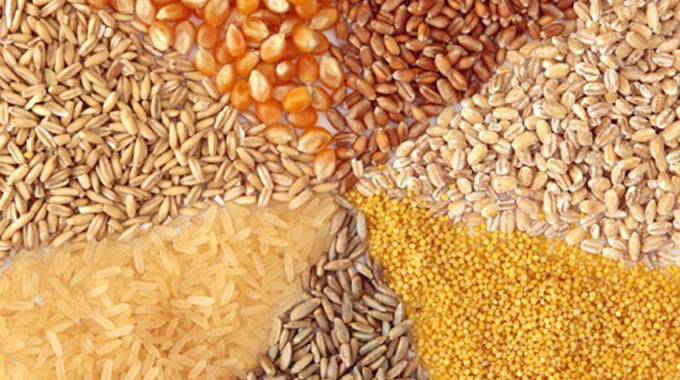
Our fears for a drought over the October 2023-March 2024 farming season have now been confirmed.
Most parts of Matabeleland region, southern parts of Masvingo and Midlands provinces and some pockets elsewhere, have been dry since January. Resultantly, the dry-land crop has withered. Pastures look stressed as well. The same for water points.
The Government has conducted a national assessment of the crop situation and found it displeasing. It has therefore, set aside $44 billion to facilitate delivery of 71 500 tonnes of maize, sorghum and millet to about 2,7 million hungry people. While the Government will feed the 2,7 million people in 59 districts, the UN World Food Programme will feed about 300 000 on four districts.
We are concerned at the rising frequency of droughts in the country as climate change continues to wreak havoc. We are experiencing more and more dry spells and, in some seasons, floods as well as pest infestations occur. These and more have implications for food security.
Happily, however, authorities are always ready to respond promptly and accordingly.
“In order to ensure food-insecure populations are reached with assistance, the Government has set aside $43,7 billion to cater for all distribution processes during the peak hunger period (January-March 2024),” Public Service, Labour and Social Welfare Minister, July Moyo, told our sister paper, The Sunday Mail.
“However, it is important to point out that Treasury continues to be very supportive if there is a need to adjust the budget to ensure everyone in need is supported with food.”
This is an important intervention by the Government, one which is consistent with multiple high-profile assurances that no-one will starve even if a drought occurred. Free food distribution will preserve the health of our people amid the widespread crop failure. The intervention will preserve the lives of those among us, who cannot help themselves, thus look to their government for relief. Also, the timely intervention will preserve the dignity of our people.
We note that the figures as presented were arrived at after the first crop and livestock assessment early last month. Another month later, the situation on the ground has obviously evolved; worsened, in fact. In view of that, the total population that is in need of food aid must have increased.
We are sure that the Government and its partners will enhance their response to the food insecurity by adding more people and perhaps revising the size of the food packs to be handed out. Budgets will have to be revised accordingly too.
With the public food aid strategy ready to roll, the private sector one led by the Grain Millers Association of Zimbabwe (GMAZ), is gathering steam as well. It envisages to import more than one million tonnes of grain, which would be milled and sold on the open market as opposed to the Government-led one, which will distribute the food for free.
We urge GMAZ to expedite its processes to get the grain in the country as soon as possible so that those among us, who have the resources can buy maize meal, bread and other foods easily from the retail sector.


 Online Reporter