Online Reporter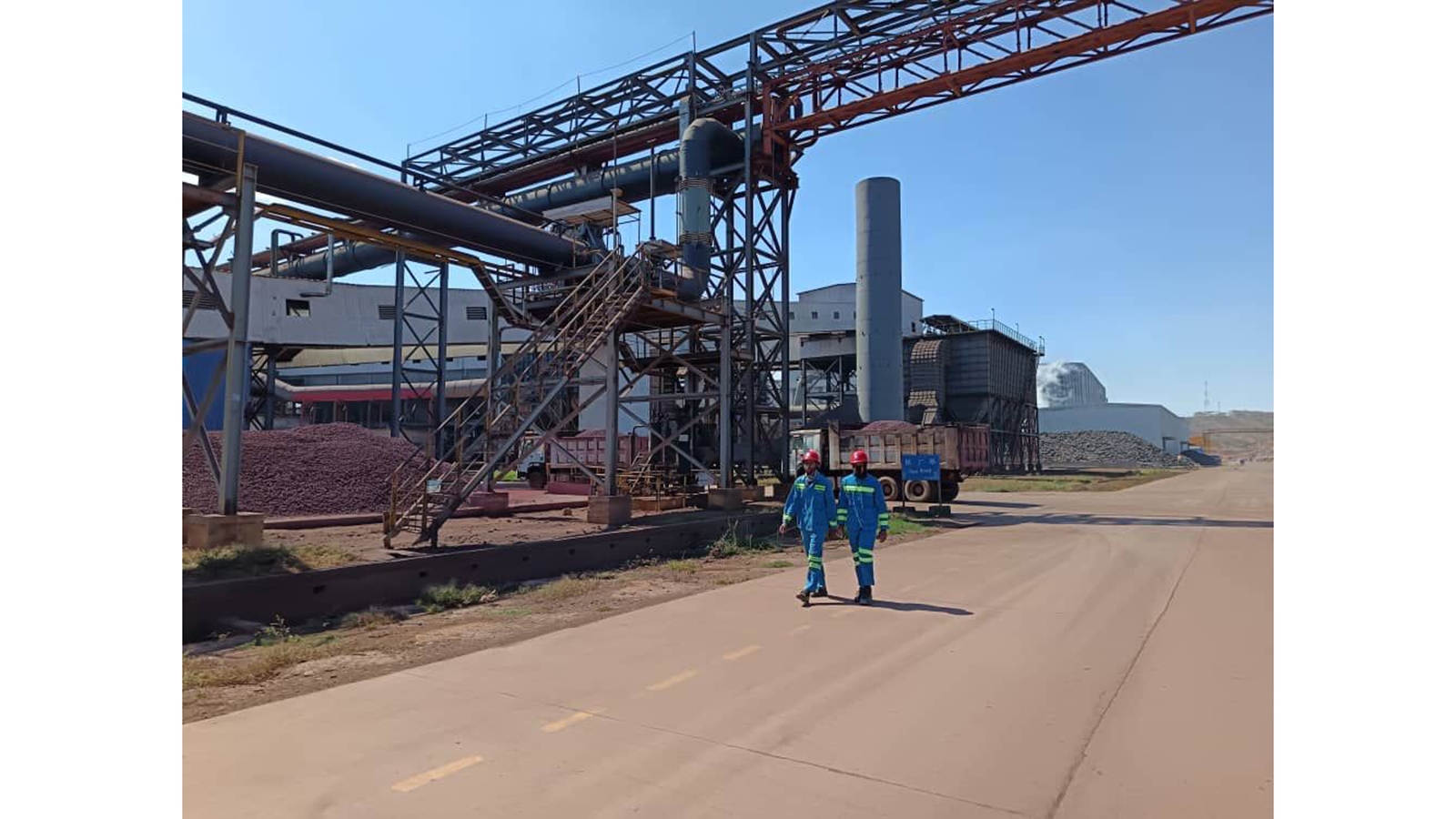
RECORD monthly exports by Zimbabwe in October burst the US$1 billion barrier for the first time, a significant milestone in the transformation of the economy by the Second Republic.
While rising global prices of gold, still the number one export, were important, far more significant has been the contribution from industry, and most importantly from that part of the industrial sector that converts Zimbabwean raw materials — minerals dug from the ground or products grown by farmers — adds significant value, and then sells the products outside the country after satisfying local demand.
Gold is a curious product, and the price can fluctuate a lot. Only a very small percentage of gold mined each year around the world is used to make anything, usually jewellery or certain electronic items; the rest, after being dug up from the ground, refined, cast into bars, and sold, is once again buried in the ground as a store of value.
So, relying on gold cannot be the centre of our export drive, despite how useful the sales are.
A lot of Zimbabwe’s industrial base over the past 60 years has been built on import substitution rather than exports, and often involves significant inputs of imported raw materials.
In the days when there were large gaps between inflows of foreign currency and the need for imported inputs, industrialists were often leading the pack that was calling for more foreign currency.
But under the Second Republic, the stress has switched to value addition of our own resources, and this is now having a major effect on export growth.
Leading the pack is Dinson, a subsidiary of global giant Tsingshan Holdings, and the first phase of its steel works at Manhize.
While machinery might be imported, the raw materials for the steel products already being made are pure Zimbabwean – iron ore and limestone from near Manhize, and coke coming down from Hwange.
While still in the first phase, Manhize is producing and selling in Zimbabwe and for export the steel bar and similar construction materials, and has probably now become the number one pure industrial exporter, with vast potential to expand.
Planned phases include steel sheets, and then the range of stainless steels that Tsingshan is famous for, hence the decisions to buy into Zimbabwe’s chrome and nickel mining and processing so the two major additional materials for stainless steel will be on tap.
From mining shovel to export shipment, we are talking Zimbabwean materials, a largely Zimbabwean workforce, and Zimbabwean products. Another construction material that is at least registering on the exports is ceramic tiles. These might be less fancy than steel bars and the like, but again we are talking about adding value to a basic Zimbabwean raw material — in this case, the right sort of clay.
Once again, we have 100 percent Zimbabwean raw materials, rather than repacking imported inputs.
But out of that US$1,02 billion in monthly exports, almost 9 percent came from industrial products made in Zimbabwe from 100 percent local raw materials, showing the potential of a value addition export-led heavy industrial base.
This is the base that is going to transform the Zimbabwean economy, resting growth on the correct policies.
Tobacco is potentially far more valuable as an export once we can add much more value before we pack it and sell it.
Only a tiny fraction of the crop is smoked in Zimbabwe, with the rest going outside.
Moderately treated leaf – usually just getting the moisture content fixed and tight grading – although there has been value in removing stalk and other waste, forms the major export.
Now one investor is looking at meeting market demand in an industry all too often seeing national monopolies in cigarette manufacture by at least upgrading exports to the finely cut leaf known as cut rag – a product that a protected foreign manufacturer can just drop into the cigarette-making machines.
With more free trade, there seems to be a chance of cigarette exports, although we should be adding the manufacture of cigarette paper and filters to get that 100 percent local content that gives the independence we need when seeking markets.
There has been talk of other similar sorts of heavy industry being created and converting raw material exports to manufactured products.
Lithium is one obvious starting point, with the Government now taxing ore and concentrate exports to encourage value addition to the pure salts that form the base of international trade, the metal being a non-starter as it bursts into flames in the presence of moisture. But we then need to be converting this lithium into batteries and other products.
In food production, there is talk every now and again of Zimbabwe being a breadbasket. We actually need to be an exporter of processed products – sacks of assorted flours from a wide variety of grains, for example, or biscuit makers for the region, or producing specialised cooking oils and the like.
Again, the policy should be converting what is grown into a product without imported inputs.
We cannot build an export industrial base on processing foreign raw materials. It would make more sense for investors to go to the original country and skip our mark-ups.
But since we are a resource-rich nation, it does make sense for us to build an export-led industrial base on those resources. We need to think heavy industry and be building that major industrial capacity and base.