Chronicle Editor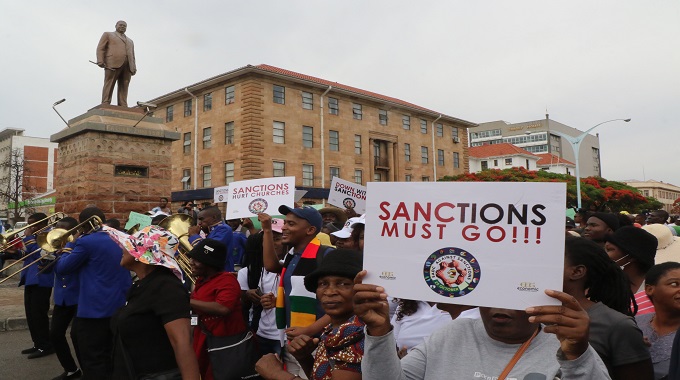
THE imposition of illegal sanctions by the United States and its allies on Zimbabwe has had a paradoxical effect on the country’s economy. While these sanctions were intended to pressure the Government into political and economic reforms, they have inadvertently catalysed significant economic growth and innovation within Zimbabwe.
As we reported yesterday, the impact of the sanctions extends far beyond Zimbabwe’s borders. This is why the 39th SADC Summit of the Heads of State and Government held in Tanzania in August 2019 declared October 25 a day of solidarity against these illegal sanctions. This year’s Anti-Sanctions theme is: “Embracing Innovation Towards Vision 2030: The Relentless Fight Against Illegal Sanctions.”
The sanctions began in the early 2000s and targeted specific individuals and entities within Zimbabwe, restricting their access to international financial systems and markets. On paper, these measures were aimed at “addressing human rights abuses, corruption and undermining of democratic processes” but in reality, they were punishment for the Land Reform Programme and meant to make the voter population turn against the Zanu-PF Government.
However, the broader economic impact has been felt across the nation, affecting various sectors and the overall economic climate.

Faced with these restrictions, Zimbabwe has had to adapt and innovate to survive. The sanctions forced the country to reconsider its economic model, reducing its reliance on exports and foreign aid.
Zimbabwe has diversified its economy by investing in various sectors such as agriculture, mining and manufacturing. This diversification has reduced the country’s vulnerability to external shocks and has created new growth opportunities.
The sanctions have spurred local innovation as businesses and entrepreneurs seek to overcome the challenges posed by restricted access to international markets and technologies. This has led to the development of homegrown solutions and technologies, tailored to the local context.
With limited access to imported goods and services, Zimbabwe has focused on strengthening its local industries. This has included investments in local manufacturing and the promotion of “Buy Zimbabwe” campaigns to encourage the consumption of locally produced goods.
The agricultural sector, a cornerstone of Zimbabwe’s economy, has seen significant advancements. Farmers have adopted new techniques and technologies to increase productivity and sustainability, contributing to food security and export potential.

The Zimbabwean Government has also played a crucial role in fostering economic growth and innovation in the face of sanctions. Key initiatives include investment in infrastructure. The Government has prioritised infrastructure development, including roads, energy and telecommunications, to support economic activities and attract investment.
Reforms aimed at improving the business environment, such as reducing regulatory burdens and offering incentives for investment, have been implemented to encourage both domestic and foreign investment.
Small and medium-sized enterprises (SMEs) have received support through various programs and initiatives, recognising their role in driving innovation and economic growth.
While the sanctions imposed by the United States and its allies were intended to pressure Zimbabwe into regime change, they forced the country to look for homegrown solutions to Zimbabwean problems. By forcing the country to adapt and innovate, these sanctions have led to a more resilient and diversified economy. Zimbabwe’s experience demonstrates how adversity can drive positive change and highlights the importance of local innovation and self-reliance in overcoming external challenges.



 Online Reporter