Online Reporter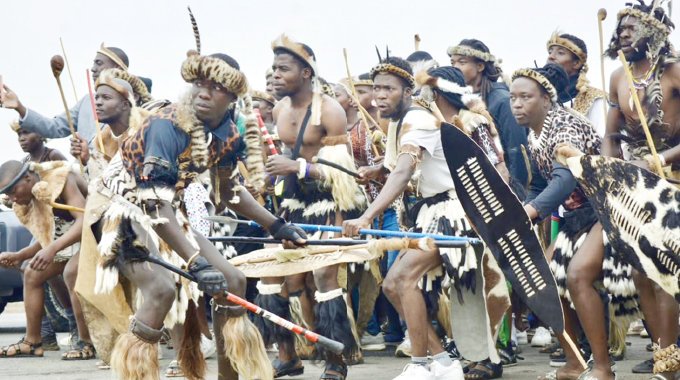
THE success of this year’s King Mzilikazi commemorations offers an important lesson, not only for the Ndebele community but for every cultural group in Zimbabwe.
What unfolded in Bulawayo and Matobo was far more than an annual remembrance. It was a great statement that culture remains alive when people choose to practise it, celebrate it and pass it on.
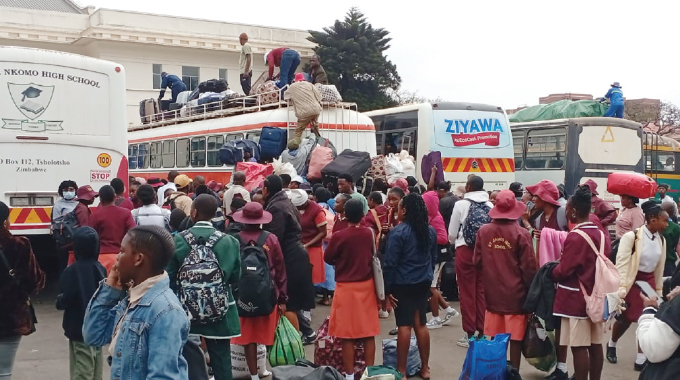
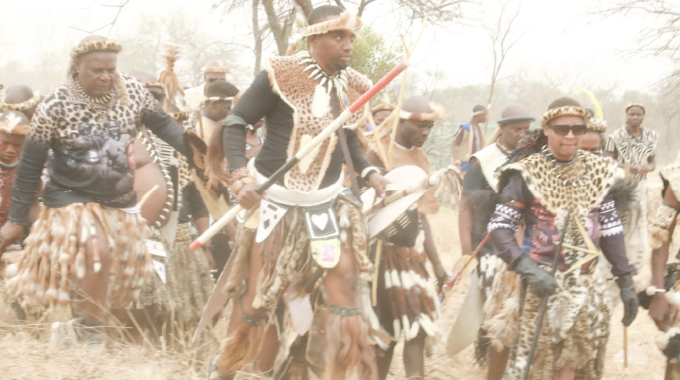
Thousands gathered for the commemorations, including traditional leaders, young people and visitors from beyond Zimbabwe’s borders. Their presence reflected a shared understanding that heritage is not something to be admired from a distance. It is something that must be lived.

That message is especially important today.
The world is becoming increasingly connected. Young people consume the same music, fashion, entertainment and social media content regardless of where they live. While globalisation has brought immense opportunities, it has also created a real danger that smaller cultures, indigenous languages and traditional knowledge systems could slowly fade into the background.
The challenge facing Zimbabwe is not unique. Communities across the world are grappling with the same question: how do we embrace modernity without losing our identity? The answer is not to reject technology or isolate ourselves from global influences. That would be both unrealistic and counterproductive.
The real challenge is to ensure that local cultures remain visible, relevant and attractive to younger generations. That is precisely why the King Mzilikazi commemorations matter.
The organisers understood that culture has no future unless young people see value in it. By placing youth at the centre of the celebrations and exposing them to Ndebele history, language, traditions and values, they recognised a simple but profound truth: culture survives only when one generation deliberately hands it over to the next.
No culture can endure on memory alone. Zimbabwe’s rich cultural diversity remains one of its greatest strengths. The Tonga, Kalanga, Venda, Nambya, Shangani, Manyika, Ndau, Korekore, Karanga, Zezuru and many other communities all possess unique traditions, ceremonies, languages, stories and knowledge systems that deserve to be preserved.
Yet preservation should not begin and end with textbooks, museums or academic research. Culture must be seen. It must be heard. It must be spoken. It must be celebrated. It must be passed on.
Other communities can draw valuable lessons from the King Mzilikazi model. Cultural festivals, annual commemorations, traditional food exhibitions, language promotion programmes and heritage education initiatives are not merely ceremonial gatherings. They are practical investments in cultural survival.
They create spaces where elders can share knowledge, where young people can learn about their roots and where communities can strengthen their sense of belonging. This matters because preserving culture is about far more than nostalgia. It is about identity.
A people who understand where they come from are better equipped to decide where they are going. Cultural confidence strengthens communities, promotes social cohesion and provides a sense of belonging in a rapidly changing world.
There is also a strong economic argument for investing in culture. Well-organised cultural events attract visitors, create opportunities for artists and craftspeople, support local enterprises and boost tourism. Around the world, countries are turning cultural heritage into an economic asset while simultaneously strengthening national pride.
Culture and development are not opposing forces. They can reinforce each other.
The Mthwakazi kaMzilikazi Cultural Association deserves credit for demonstrating that cultural preservation does not have to be confined to older generations. By creating an event that resonates with both the young and the old, the association has shown that heritage can remain relevant in the modern age.
That example should inspire others. The challenge before Zimbabwe is clear. Culture cannot be preserved through good intentions alone. If communities do not actively teach it, celebrate it and promote it, it will gradually disappear.
The King Mzilikazi commemorations have shown what is possible when people take ownership of their heritage. The task now is for other communities to do the same. Because culture that is merely remembered eventually fades.
Culture that is lived endures.