Online Reporter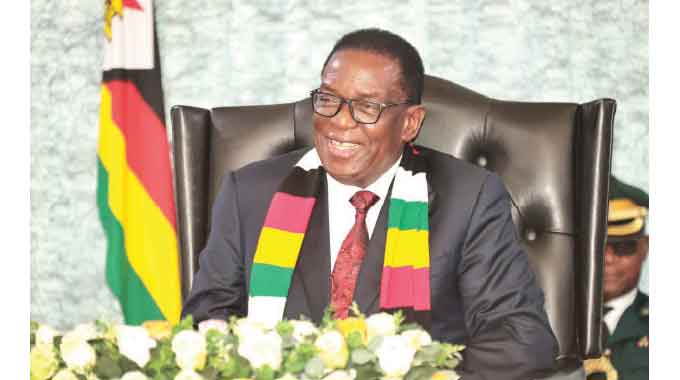
AS Zimbabwe gathered to celebrate National Youth Day yesterday, the words of President Mnangagwa resonated with history, hope, and an urgent call for active participation from the nation’s youth.
This annual event is not merely a commemoration but a reminder of the profound role young people play in shaping the country’s narrative — a narrative entwined with the sacrifices of previous generations who fought for freedom and independence.
The President’s speech serves as a powerful acknowledgement of the legacy of Zimbabwe’s forebears who paved the way for the country we know today. In emphasising the sacrifices made by the youth of yesteryear, the President invokes a deep sense of responsibility among the current generation.
By calling upon young Zimbabweans to partake actively in socio-economic development, he underscores a universal truth: young people are not just the future; they are the present.
One of the most significant themes of the address was the plea for unity. President Mnangagwa’s insistence that all young Zimbabweans, regardless of their province, are “daughters and sons of a united Zimbabwe” emphasises a fundamental aspect of collective progress. This call for solidarity is not just rhetorical; it is essential for a shared vision of growth and development.
By reinforcing that youth across the diaspora celebrate their heritage and maintain ties to their homeland, the President recognises the global nature of modern identity while urging these individuals to remain connected to their roots.
This inclusiveness, which sees the diaspora as part of the national fabric, is vital for fostering a sense of belonging among all Zimbabweans.
At the core of the President’s message lies a blueprint for empowerment. The Government’s commitment to decentralising national events is illustrative of a broader strategy to bring governance closer to the people.
This approach is not just about geography; it’s about accessibility and representation. When national celebrations occur in various provinces, they democratise participation and give voice to local issues and aspirations.
The initiatives mentioned regarding youth empowerment, vocational training, and access to education indicate a forward-thinking approach. These efforts will equip young people with the skills needed for today’s job market, aligning with the government’s aspirations under the National Development Strategy 2 and Vision 2030.
By focusing on sectors such as agriculture, mining, tourism, and technology, the President reinforces the need for a diversified economy capable of sustaining future generations.
President Mnangagwa’s emphasis on transforming educational infrastructure, modernising vocational training centres, and promoting digital skills is particularly noteworthy. As the global economy increasingly pivots towards technology and innovation, Zimbabwe’s youth must be prepared to meet these challenges head-on.
The establishment of state-of-the-art facilities, such as the Emmerson Dambudzo Mnangagwa Centre, speaks to a commitment to creating a conducive learning environment that fosters creativity and ingenuity.
Furthermore, the call for increased investment in high-demand skills — like artificial intelligence and cybersecurity — aligns with global trends and signifies a shift towards a knowledge-based economy. In an era where traditional jobs are evolving and new markets are emerging, such investments are not merely commendable; they are essential for Zimbabwe’s economic resilience.
However, for all the positivity, challenges remain. Despite the optimistic tone, there are underlying issues that must be recognised. While the Government outlines its commitment to tackling the obstacles facing youth, meaningful change requires consistent action. The commitment to tackling issues like drug abuse and unemployment must translate into effective policies and programmes.
It is also vital to ensure that the youth are not solely celebrated on commemorative days but are actively involved in policy-making throughout the year. Creating channels for young people to voice their concerns and contribute to discussions about their future is crucial. This involvement is not only a necessity but also a pathway to fostering the innovation that the President so passionately champions.
As the nation commemorates National Youth Day, it’s imperative that the spirit of the event transcends a single day. The message is clear: the future of Zimbabwe rests in the hands of its youth, but this future will only be realised through unity, active participation, and an unwavering commitment to personal and collective development.
To echo the President’s words, “the future of Zimbabwe is in your hands.” Young Zimbabweans must embrace this responsibility, resisting the temptations of complacency and division. They must be encouraged to engage not just during celebrations but in concerted efforts year-round, contributing their voices to the journey of national building.
In celebrating the accomplishments of the youth, the nation must also prepare for the challenges of tomorrow. Together, with resolve and purpose, the young people of this country can indeed build the brighter, more prosperous future they envision — brick by brick, stone upon stone.