Vusumuzi Dube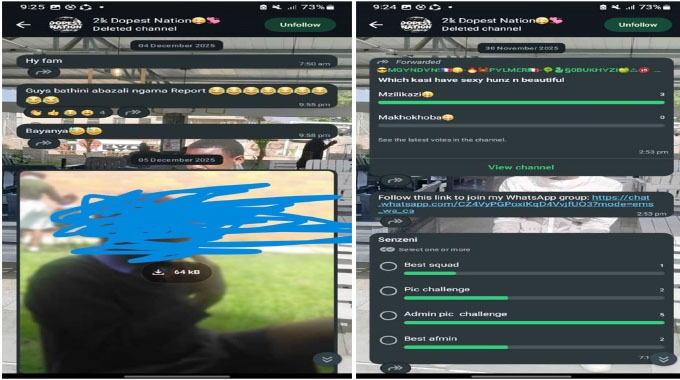
THE Sobukhazi High School WhatsApp scandal is not just a story about naughty pupils and a rogue chat group. It is a loud alarm bell ringing across Bulawayo and the nation. It is a story about abandoned parenting, digital chaos and a generation of children raising themselves with smartphones instead of supervision.
That a group of minors could run a secret WhatsApp channel called 2k Dopest Nation, filled with sex talk, cyberbullying and reckless party hype, should disturb every parent, teacher and policymaker. That it went on unnoticed for so long should terrify us.
This was not harmless teenage banter. Naming and shaming classmates, ranking bodies and relationships through polls, glorifying drugs and alcohol, and casually hyping so-called Vuzu Parties is emotional violence. It humiliates. It scars. It normalises dangerous behaviour long before children are mature enough to understand consequences.
Even more chilling is what the scandal revealed when the school finally intervened. Fake parents. Hired adults. Drunks paid to pretend to be guardians. That is not comedy. That is tragedy.
It tells us something has gone badly wrong in the homes we no longer have.
The uncomfortable truth is that many of these children are growing up without their parents. The diaspora reality is written all over this story. Mothers and fathers are chasing survival across borders, while children are left behind with grandparents, distant relatives or no real authority at all. In that vacuum, phones have stepped in. WhatsApp has become the parent. Peers have become teachers.
Recklessness has become normal.
“Phones are their parents,” one source said. That line should haunt us.
Schools are now being asked to fix what society has failed to protect. Teachers must discipline, counsel, investigate and parent, all while being accused of cruelty when they act. Sobukhazi High School chose correction over expulsion, and that must be acknowledged. Removing children temporarily to engage registered guardians was not punishment. It was damage control.
But let us not pretend the school alone can solve this.
This is a national parenting crisis. We cannot clap for remittances while ignoring the emotional cost paid by children left behind. Money sent home does not replace presence. School fees do not replace guidance. Smartphones do not replace values.
There is also a digital policy failure staring us in the face. Children are accessing unfiltered platforms with zero monitoring. No boundaries. No consequences until disaster hits. We need urgent digital literacy for parents and learners alike, and clear rules on phone use in and outside school.
Most of all, parents must return to their responsibility, physically or firmly. Know your child’s friends. Check their phone. Ask uncomfortable questions. Be unpopular if necessary. Parenting is not a popularity contest.
The Sobukhazi WhatsApp scandal is not about one school. It is about who is raising Zimbabwe’s children while we are busy elsewhere. If this story does not wake us up, the next one will be worse.



 Online Reporter