Vusumuzi Dube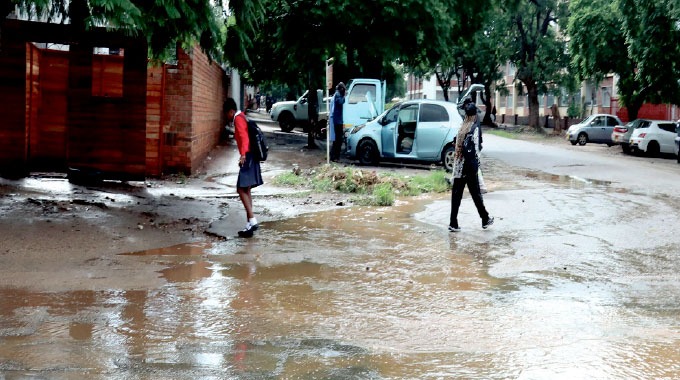
B-Metro Reporter
HEAVY rains pounding parts of Zimbabwe have turned streets into rivers, homes into soggy traps and livelihoods upside-down, leaving residents of Bulawayo and beyond struggling to cope amid a worsening flood threat. The downpours have battered roads, overwhelmed drains and reignited deep fears about sanitation and safety in the city and across the region.
In Bulawayo, torrential rains late last week left entire neighbourhoods waterlogged as blocked drainage systems failed to cope with the deluge. Residents spoke of water engulfing roads and creeping into homes after ageing and poorly maintained channels choked with waste simply could not carry the extra flow. Many fear disease will follow in the wake of raw sewerage and filth carried by stagnant pools.
“We fear disease,” one resident said, echoing a sentiment shared by many who watched helplessly as their streets transformed into waterways.
The Bulawayo Fire Brigade has been inundated with calls, responding to at least 15 flood-related incidents since the new rainy season began, including emergencies at several primary schools where water cut off access routes and trapped learners. Officials say the worst of the flooding is caused not just by rain but by garbage blocking drains — from nappies and bottles to clothes and other debris — making every downpour a test of survival.
Residents in Njube and other low-lying suburbs are furious at what they describe as years of neglect by authorities. Several told B-Metro they have repeatedly reported blocked drains to the Bulawayo City Council with promises of action that never materialised. Every storm now brings memories of past floods and the same unanswered questions about accountability and leadership.
Access to water has been both blessing and burden. While dam levels in the city have improved, offering relief from long drought-induced shortages, the increased flows are now taxing infrastructure that was never designed for heavy, sustained downpours.
Beyond Bulawayo, the threat of flooding is being felt nationwide. Since the 2025/ 26 rain season kicked off, the Civil Protection Unit reports that at least 79 people have died across Zimbabwe from flooding and related weather hazards, with more than 1 000 homes damaged or destroyed. Traditional leaders are being urged to enforce safety rules, including fines for people who risk life and limb by crossing flooded rivers or submerged bridges.
These floods are a stark reminder of climate change realities and the price paid by ordinary citizens when infrastructure fails. Every rainstorm now carries the threat of disaster, from schools cut off to drains turned deadly.
Poor drainage, blocked channels and neglected infrastructure are not natural disasters. They are failures we can fix. But only if we choose to. Continuous flooding must stop being a seasonal headline and become a call to action for a city and a nation that can no longer afford complacency.



 Online Reporter