Online Reporter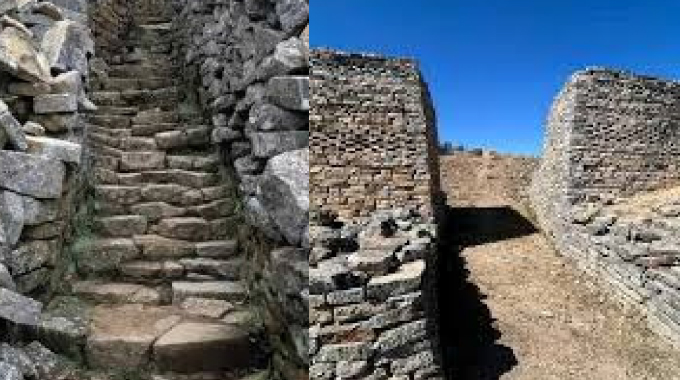
THE Dhlodhlo Ruins have stood quietly for centuries, their pale stone walls slowly weathering under the sun.
Hidden away in Insiza District, they are more than just old stones — they are the remains of a once organised and impressive community that lived and built here long before modern Zimbabwe existed.
For years, the ruins have been overlooked, known mostly to historians and a few travellers. But a new report presented to Parliament has brought them back into the national spotlight.
The Joint Portfolio Committee on Tourism and Hospitality Industry, together with the Thematic Committee on Culture and Heritage, now sees the ruins not as forgotten relics, but as an important part of Zimbabwe’s future tourism story.
The inquiry came from Government’s push to strengthen domestic tourism, and it shows just how much potential Dhlodhlo holds.
About 135 kilometres from Bulawayo, the site is a strong example of the Zimbabwe Culture tradition.
Its stone walls, terraces and traces of old huts are built in the same style seen at Great Zimbabwe and Khami.
As the report puts it, “Dhlodhlo is one of Zimbabwe’s most significant stone-built monuments and forms part of the cultural landscape with its historical connection. The site has the potential to attract heritage tourists, scholars, and cultural enthusiasts from across the globe.”
Anyone who visits can see why — the ruins carry a quiet beauty and a deep sense of history.
One of the biggest challenges, though, is that Dhlodhlo and sites like Khami have been treated as isolated places, instead of being linked into a proper tourism route.
The committee believes that if these sites were connected — for example, with Matopos, Great Zimbabwe and Khami — they could attract far more visitors. As the committee notes, “By leveraging its Unesco World Heritage Tentative List status and integrating it into cultural tourism circuits that link Great Zimbabwe, Khami, and Matopos, Dhlodhlo could become a cornerstone of Zimbabwe’s heritage tourism.” Many tourists want to follow a story, not just visit one stop, and a linked circuit would give Zimbabwe exactly that.
Still, the report is honest about the situation. Right now, Dhlodhlo and Khami have huge promise but are not being fully used.
They are, as the report says, “white elephants,” beautiful and important, but not contributing as much as they could to national development.
There is, however, a positive sign.
The National Museums and Monuments of Zimbabwe is exploring a possible partnership with a private investor to help manage and revive Dhlodhlo. If it goes ahead, this partnership could finally provide the care, investment and promotion the ruins have been missing.
Zimbabwe has more than 50 000 recorded heritage sites, and 203 of them are national monuments.
From liberation war shrines to ancient stone cities, they form a huge part of who we are. If the country wants to grow tourism and build pride through Heritage-based Education 5.0, then places like Dhlodhlo cannot be ignored.
The ruins have waited long enough. Their story is ready to be told again — and it is now up to the nation to make sure Dhlodhlo finally gets the attention and respect it deserves.