Chronicle Editor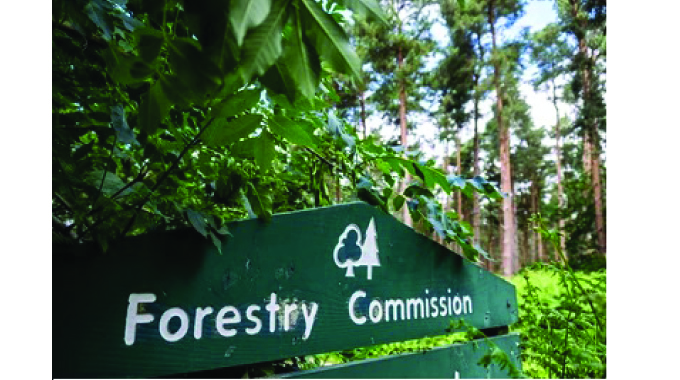
Leonard Ncube in Hwange
COMMUNITIES living near protected areas like forests and game parks have been challenged to be actively involved in sustainable management of ecosystems to minimise effects of climate change.
Speaking on the sidelines of the recently held African Elephant Conference in Hwange, Forestry Commission deputy director general Dr Steven Zingwena said management of natural resources requires efforts of all stakeholders, including members of the public.
Forestry Commission administers vast stretches of land in the country and a majority of it creates a buffer between national parks and communities.
Most human-wildlife conflicts take place when wild animals such as elephants, lions, buffaloes, hyenas and others stray into communities in search of food.
Human-wildlife conflict and involvement of communities in wildlife management was topical at the conference that was attended by wildlife experts from across Africa.
Dr Zingwena said forests are not just there to be a habitat for wildlife but support various ecosystems.
“We are in charge of management of forest resources and we think that this is a forum where we have to make an input towards the importance of our forests,” said Dr Zingwena.
He said the Forestry Commission usually encourages communities neighbouring forests to attach importance to everything in the ecosystem.
“We also know that the climate change phenomenon that we are experiencing is an indication that we are not optimally managing our forest resources which are supposed to clean the environment of greenhouse gases especially carbon.
“Communities are key stakeholders in the management of forests because to some extent they become victims of wildlife that is habitant in the forests.
We therefore want to incorporate them into this equation so that they also voice their concerns and point out ways or methods we can adopt to sustainably manage resources together,” said Dr Zingwena.
Communities have complained about destruction of crops and the killing of both livestock and people by wild animals.
Dr Zingwena said wildlife, forestry resources and communities together form a complete ecosystem and the forestry commission usually comes up with programmes that benefit the communities.
Communities adjacent to game parks graze their livestock, harvest firewood and poles for construction and some even do bee keeping projects in protected forests.
“We plan together with these communities to come up with these projects and activities.
From time to time we call on them to come to a planning platform so that we map a way forward for the management of the forest resource,” he said. – @ncubeleon



 Online Reporter