Online Reporter
Obey Musiwa
Herald Reporter
The Community Working Group on Health (CWGH) has praised the Government for meeting the Abuja target by allocating 15 percent of the 2026 national budget to the health sector, describing it as a “people’s budget” that reflects national priorities.
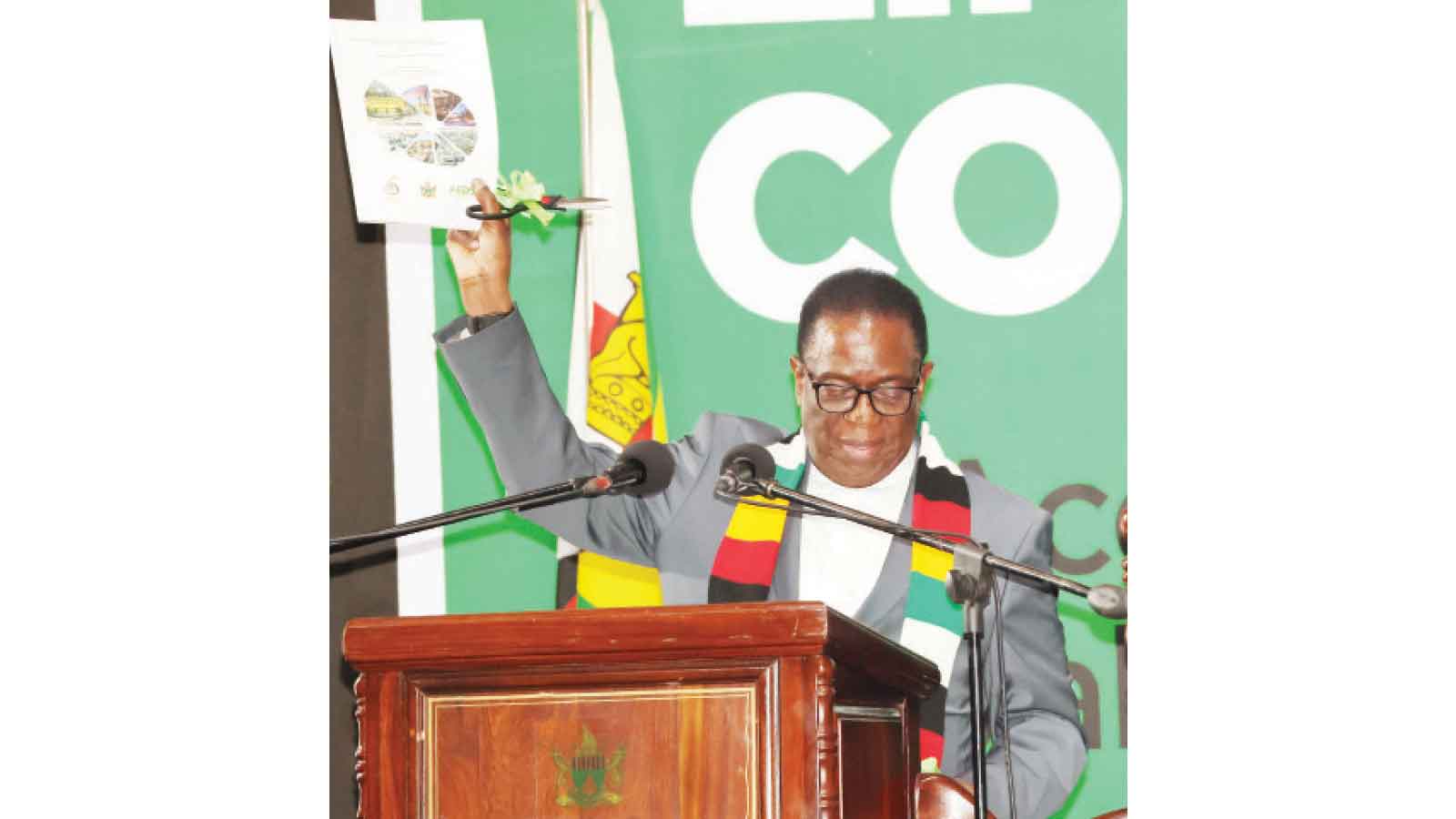
Speaking at the post-budget analysis meeting held in Harare on Thursday, the group’s executive chairperson, Mr Ndumiso Mgutshi, lauded the Government’s commitment to health financing, saying that the 2026 budget reflects collective priorities.
“The health sector is the backbone of national development and I urge stakeholders to ensure financing aligns with Vision 2030,” he said.
“The health sector is the backbone of every nation’s development. It impacts every aspect of social and economic progress,” said Dr Mgutshi.
He called for stronger advocacy and policy reforms to ensure resources are used effectively and that communities benefit.
“Our discussion today (Friday) aims to scrutinise budgetary allocations, understand their implications and advocate for increased and sustainable investment in health care,” said Dr Mgutshi.
“Together, we can develop strategic approaches to engage policymakers, mobilise community support and hold stakeholders accountable.”
Health economist, Mr Bernard Nkala, said that while curative care received the bulk of funding, primary health programmes remain underfunded, risking inequities.
He added that prevention at the district level is critical to reducing costs and improving outcomes.
“Allocation of the programme is still tilted towards the curative care and this has been the trend,” he said.
“Despite this importance, we are seeing that 0,5 percent of the health budget has been allocated to this important programme.”
The theme for this year’s discussion is “more money for health, more health for the money”.
Zimbabwe National Traditional Healers’ Association Social Services Secretary, Ms Memory Chari, emphasised that traditional medicine must be recognised as a central pillar of primary health care.
She said that Government and health stakeholders should provide adequate funding to motivate traditional healers and strengthen herbal treatment systems, ensuring communities benefit from affordable and culturally relevant care.
“Traditional medicines are primary health care priorities that deserve funding. The traditional healers should be motivated to provide herbal treatments through Government and health stakeholder funding,” said Ms Chari.