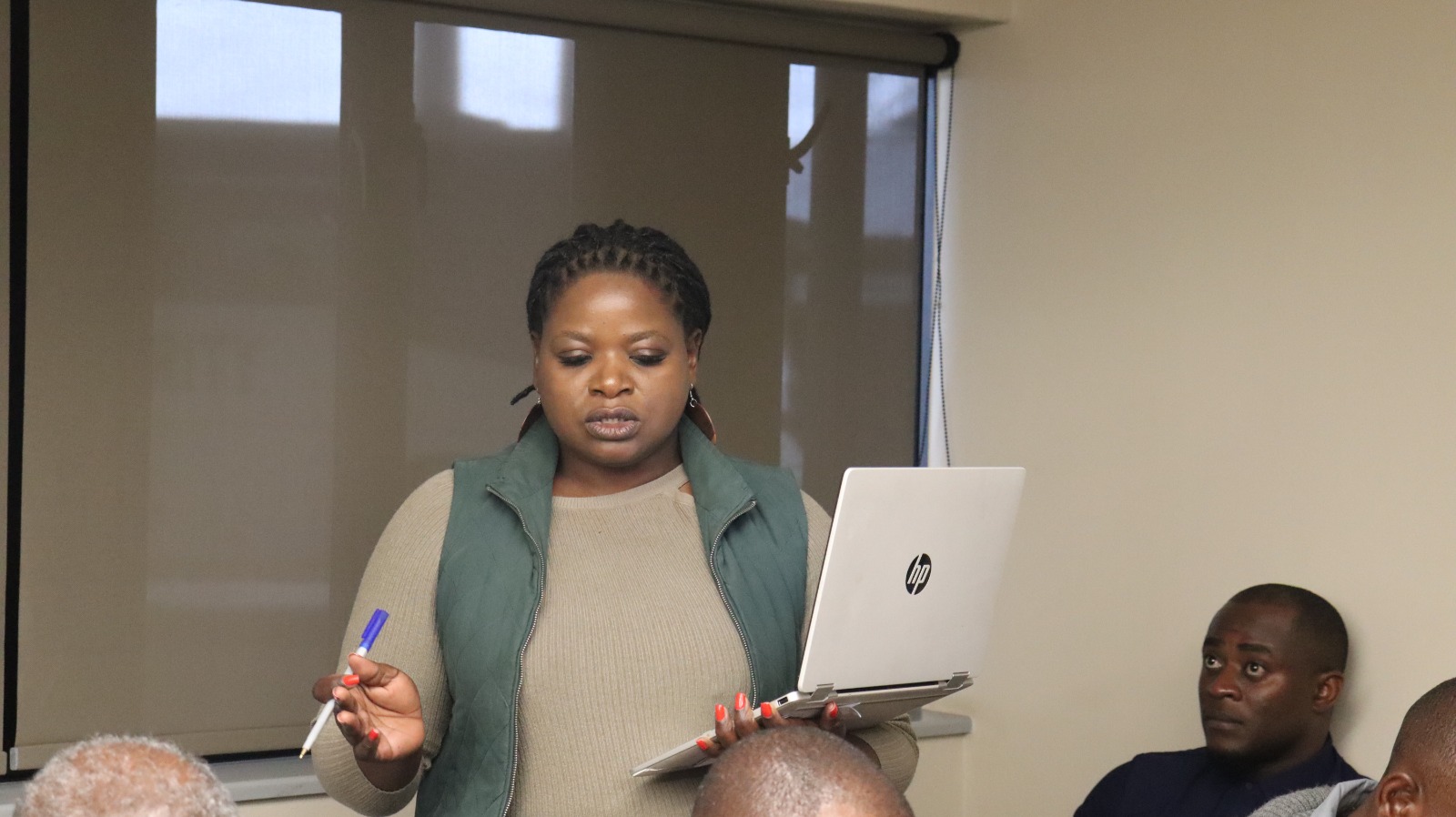
Vusumuzi Dube
No matter how many times students have been asked to write compositions or essays some still have challenges hence the need to continuously revisit them especially during holiday time.
What you will find here are just reminders on the skills required for writing different times of essays. This is aimed at those students set to write their June O- level examinations.
Take note of suggested ideas from various sources. Every essay regardless of format, should have an interesting beginning, a middle that carries the weight of your ideas, and an ending that gives the reader a sense of completion.
Each type of essay tends to stress a particular approach and makes specific demands upon you as a writer.
Your goal as an essay writer is to become a fluent, effective communicator. The way to go about it is to separate the different styles, to understand them separately and then mould them into your own personal style.
The more you become fluent in your writing; the more the distinctive lines begin to blur; and a narrative piece is enriched by an amusing narrative From previous knowledge, we know that a descriptive essay describes a person, place or a thing.
Who is the narrator in your description? You may use either the first or third person. First (I/We) or third (she/he/they) person. Then there is the structure of the descriptive essay.
As with any essay, you must start it with an interesting introduction, support it with a thoughtful body and at the end round it off or sum it up. Consider the following points on descriptive writing which are at times taken for granted.
Consider the following sentence: She entered the room. It is a simple sentence you have come across or read many times, but in the hands of a good writer it is made more interesting the following changes: Consider changing o the subject: The young woman entered the room. The crippled woman entered the room. The haggard trembling prisoner entered the room. Sukoluhle entered the room.
Change the verb: She strode proudly into the room. She dragged herself painfully into the room. She stumbled awkwardly into the room. She wafted gently into the room. You can also change the object.
She entered the tiny office which house the school clerk. She entered the head master’s study. She entered the evil-smelling, rat-infested cell. She entered her hotel room.
When put together they become interesting complex sentences. They have moved from simple to complex sentences. As you grow in your level of education you move from simple to more complex thinking.
From this you can see, a simple sentence, consisting of Subject, Verb and Object, can easily be altered into something much more interesting through the imaginative use of certain types of words and phrases.
Here we are talking about adjectives, adverbs, adjectival and adverbial clauses, and comparatives. Consider these examples borrowed from one source: The scream exploded from his lungs as the knife tore into his shoulder. Metaphors, similes and imagery. For example: He was a lion in battle is a metaphor. The ball shot like an arrow into the back of the net – simile.
Note: A simile compares two things. For example: He was as strong as ox. A metaphor also compares two things, but one becomes the other. For example: He was an old fox when it came to buying and selling.
Wide reading which students are encourage to do helps come across various expressions describing the usual but with wise words. For example, in descriptions the five senses come into play. This source says the five senses are the nuts of good descriptive writing.
Sight: His eyes were clear and sharp.
Smell: As we first entered the hut, our noses curled at the bitter smell of the paraffin, but that was replaced with the sweet aroma of freshly baked scones.
Sound: The wind tore at the thatch and the timbers of the roof moaned as if seeking release to go elsewhere.
Taste: The milk was stale and tasted sour as evidenced by the frown on his face.
Touch: His prickly, unshaven face scratched my own, but I was too happy to see him alive again.
Organisation of a descriptive essay: When describing someone or something, do so in a logical manner; from the top to the bottom, from one side to the other, from the particular to the general.
Describing people: People unlike objects and places are capable of both movement and speech. These two aspects can also be used to advantage in a descriptive piece of writing: for example: place a character in a situation and report his reactions.
Allow the character to speak: Let other people talk about a character. Writing a conclusion: For an ending for this type of essay you do not have to reach any conclusions.
Usually it is a short, snappy statement of the opening lines or repetition of the topic sentence. Remember it is allowed for you to finish an essay with a question. It helps the reader to think more of what you have been saying.
Next time we will consider what a descriptive essay should not be going forward.
For views link with [email protected] or sms to 0772113207



 Online Reporter