

 Online Reporter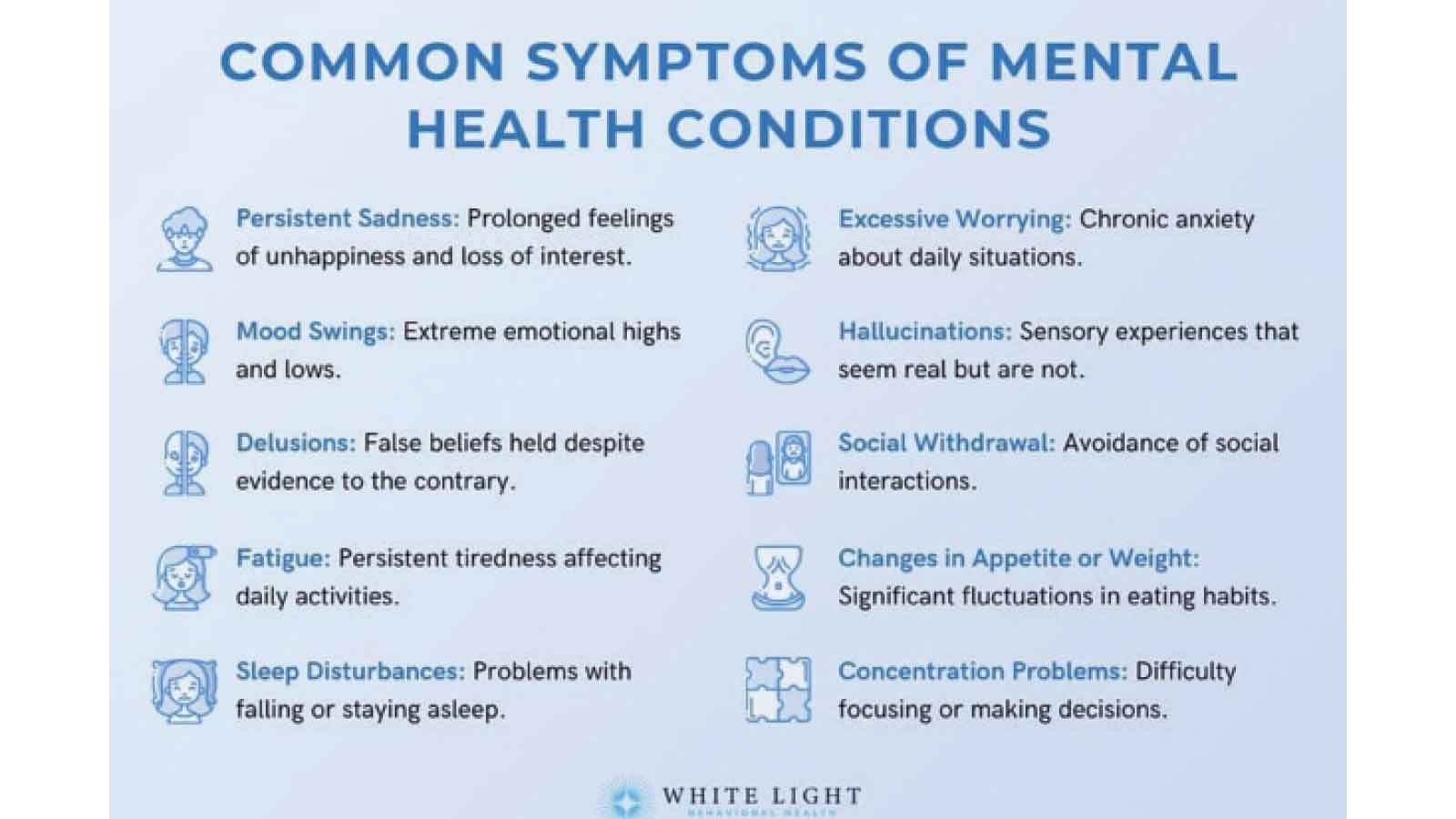
Rumbidzayi Zinyuke-Health Buzz
I know many can relate.
That moment when your morning alarm rings and, almost instinctively, you reach for your phone, already feeling like you are behind before the day has even begun.
Before you have even opened the messages that piled up overnight, your mind is racing.
There is a long list of things to do waiting for you. Bills to pay, people to respond to, tasks to complete, and you find yourself wondering how you will stretch yourself enough to get through it all.
As the day unfolds, you carry on as expected, but beneath the surface there is a quiet, constant strain. It is not loud or dramatic.
It does not stop you in your tracks. It is simply there, a steady unease that follows you from morning into night.
At some point, most of us have felt this. And it is rarely just a passing mood. For many, it has become an unspoken part of daily life, a subtle but persistent weight that reflects a growing mental health crisis etched in everyday experiences.
Mental health conditions are now among the leading causes of illness globally, with the World Health Organisation estimating that over one billion people are living with a mental disorder.
But beyond the statistics, the reality is closer to home, in our workplaces, schools, communities and even within families.
There are conditions that many people experience but struggle to point out. It could be depression, anxiety and substance use disorders.
While these may sound like clinical terms, in reality they show up in ordinary lives in ways that are often misunderstood or ignored.
Depression, for instance, is more than just feeling sad. For many, it often presents as persistent fatigue, loss of motivation and a sense of hopelessness.
Anxiety, on the other hand, is frequently dismissed as “overthinking”. Yet for many, it is a constant state of worry that does not switch off. It is the fear of losing a job that is already insecure, the pressure of providing for extended family, or the uncertainty of what tomorrow will bring in an unpredictable economy.
In Zimbabwe, these stressors are not abstract. High unemployment, inflationary pressures and the rising cost of living create an environment of uncertainty.
For young people in particular, the pressure to succeed in a limited job market can be overwhelming, often leading to chronic stress and anxiety.
At the same time, drug and substance abuse has emerged as a major and growing contributor to mental health challenges.
Substances such as alcohol, cannabis and increasingly, dangerous illicit drugs like crystal methamphetamine (commonly known as “mutoriro”), are becoming more accessible, particularly in urban areas.
What is especially concerning is how closely substance abuse is linked to mental health disorders. Many young people turn to drugs as a way to cope with stress, trauma or unemployment.
However, instead of providing relief, substance use often worsens underlying conditions such as depression and anxiety, creating a dangerous cycle that is difficult to break.
In Zimbabwe, the impact of drug and substance abuse is being felt across communities.
Families are struggling to cope with children battling addiction, while health facilities are reporting a surge in cases linked to substance use. Some estimates suggest that a significant proportion of psychiatric admissions in public institutions are related to drug and alcohol abuse, highlighting the scale of the problem.
Yet despite its prevalence, substance abuse is often treated as a moral failing rather than a health issue. This perception not only fuels stigma, but also prevents many from seeking the help they need.
Stigma remains one of the biggest barriers to addressing mental health in Zimbabwe.
In many communities, mental illness is still associated with weakness, spiritual causes or even witchcraft.
Individuals experiencing depression or anxiety are often told to “pray harder”, “be strong” or “snap out of it”.
While faith and cultural beliefs play an important role in people’s lives, these responses can sometimes delay access to appropriate care.
Instead of seeking professional help, many suffer in silence, fearing judgement or discrimination.
This silence can be particularly damaging for men, who often face societal expectations to remain strong and unemotional. As a result, many men are less likely to seek help, even when they are struggling, increasing the risk of untreated mental health conditions and substance abuse.
Young people also face unique challenges. Social media, while offering connection, can amplify feelings of inadequacy and pressure. At the same time, issues such as academic stress, unemployment and family expectations create an environment where mental health struggles can easily take root.
Despite these challenges, access to mental health services in Zimbabwe remains limited. There is a shortage of trained mental health professionals, and services are often concentrated in major urban centres, leaving rural communities underserved.
However, there have been notable efforts to bridge this gap. Community-based initiatives, such as the Friendship Bench programme, have shown that locally driven solutions can make a difference by providing basic mental health support through trained lay counsellors.
Integrating mental health into primary healthcare is another critical step, ensuring that people can access support at local clinics rather than having to travel long distances to specialised facilities.
While treatment is essential, experts increasingly emphasise the importance of prevention.
They day addressing mental health requires tackling the underlying social and economic factors that contribute to distress.
Reducing poverty, improving access to education and creating employment opportunities are not just economic priorities, they are also mental health interventions.
At an individual level, building awareness is key. Understanding that mental health conditions are real, common and treatable can help reduce stigma and encourage people to seek help early.
Simple steps such as talking to someone you trust, maintaining social connections and recognising when you need support can make a significant difference.
Ultimately, mental health is not just a personal issue, it is a national concern.
Its impact extends beyond individuals to families, communities and the economy.
Lost productivity, increased healthcare costs and social disruption are all consequences of untreated mental health conditions.
For Zimbabwe, investing in mental health is not a luxury, but a necessity. It is an investment in human capital, resilience and national development.
Encouragingly, conversations around mental health are slowly becoming more open. More people are beginning to speak about their experiences, and there is growing recognition that mental health deserves the same attention as physical health.
But awareness alone is not enough.
There is a need for sustained action, from policymakers, healthcare providers, communities and individuals.
This includes increasing funding for mental health services, strengthening community support systems and continuing to challenge harmful stereotypes and misconceptions.
Because behind every statistic is a person, a commuter on a crowded kombi, a student in a classroom, a parent trying to make ends meet, quietly carrying a burden that is often unseen.
Recognising that reality is the first step.
Responding to it with compassion, understanding and action is what will ultimately make the difference.
Feedback: [email protected]



