

 Online Reporter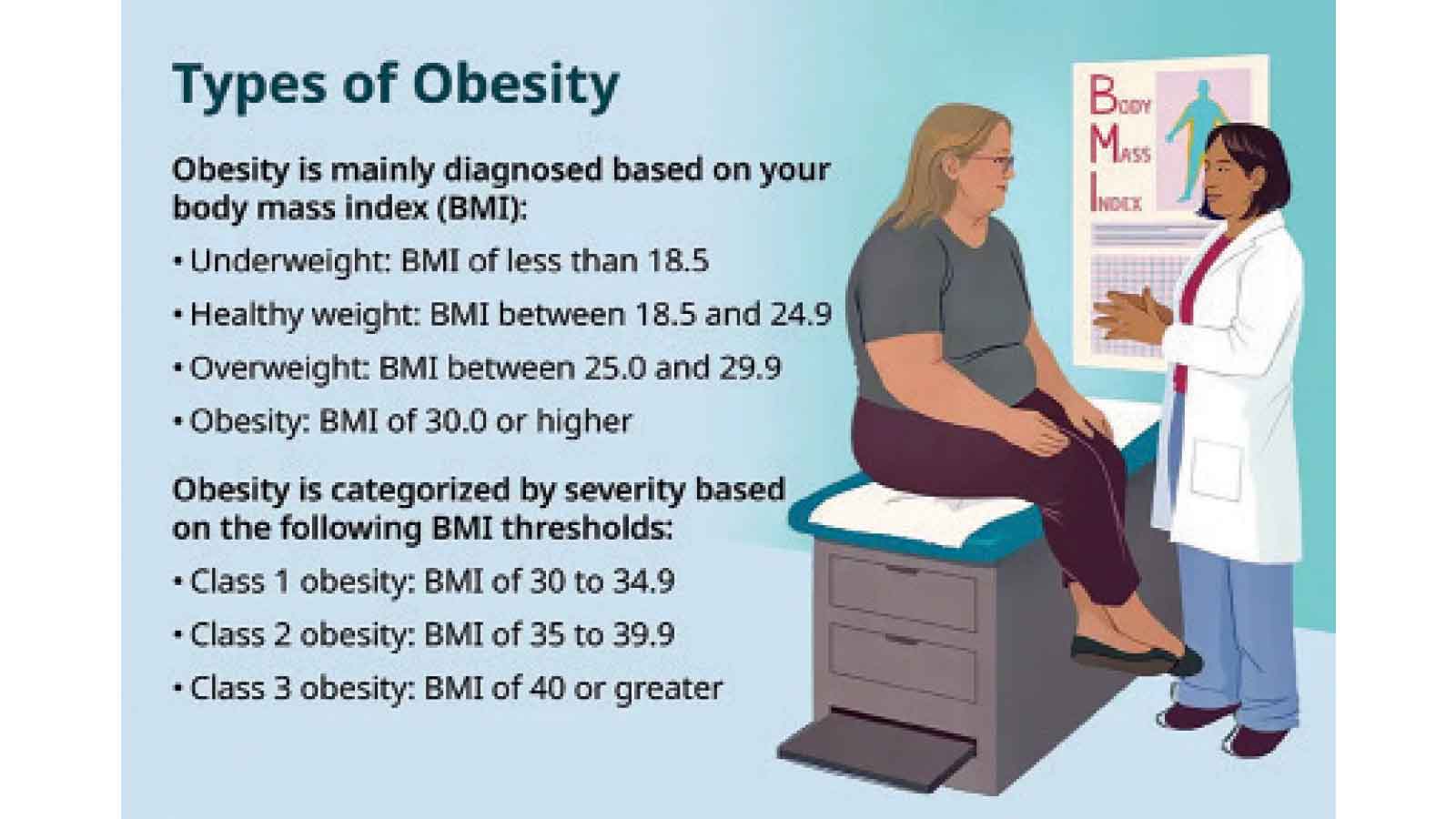
Rumbidzayi Zinyuke-Health Buzz
I remember when my twin daughters were born. One of them was slightly bigger and chubbier than the other.
The difference was not alarming, the smaller twin was still within a healthy weight range, but to many of my relatives, neighbours and friends, that did not seem to matter.
The comments began almost immediately:
“This one is not getting enough milk.”
“The bigger one is finishing all the food.”
“The smaller one must eat more.”
In the eyes of many of these well-meaning people, the chubbier baby was the healthier one. The smaller twin, despite being perfectly normal, was seen as needing “extra feeding” to catch up.
This is a familiar experience for many parents across Zimbabwe and much of Africa. A chubby baby is often celebrated as a symbol of good care and health, while a slimmer one may raise quiet concerns.
The same thinking often extends into adulthood. When someone loses weight, even when it is voluntary, neighbours and relatives may quickly suspect illness. When someone gains weight, it is sometimes interpreted as a sign that life is going well.
Yet behind these long-held perceptions lies a growing public health concern that many societies are yet to begin to comprehend.
What is often seen as a sign of health or prosperity may, in reality, be the early stages of obesity, a condition that is rapidly becoming one of the most pressing health challenges of the modern era.
Zimbabwe, like many countries across Africa, is now facing a changing health landscape. While the country has historically battled undernutrition and infectious diseases, there has been a steady rise in overweight and obesity.
According to available health statistics, about 14,2 percent of Zimbabwean adults were classified as obese in 2022, more than double the prevalence recorded in 1990.
When overweight individuals were included, the figures became even more striking. About 34,5 percent of adults in Zimbabwe were overweight.
More recently, the 2023–2024 Zimbabwe Demographic and Health Survey found that 51 percent of women aged 20–49 were overweight or obese, while 17 percent of men in the same age group fell into the same category, reflecting a long-term upward trend in body weight across the population.
Experts say these numbers reflect significant changes in diet, lifestyles and socio-economic conditions over the past few decades. Urbanisation, increased availability of processed foods, and reduced physical activity are among the major drivers.
As Zimbabwe’s cities and towns continue to grow and lifestyles become more sedentary, calorie-dense diets combined with limited exercise are contributing to rising body weights.
In some cases, poverty itself can also play a role. Families struggling with limited food options may rely heavily on cheap, starch-rich diets that provide calories but lack balanced nutrition, increasing the risk of weight gain and obesity over time.
Adding another layer to the challenge is the complex relationship between body size and cultural perceptions in many African societies. In many communities, a fuller body has traditionally been associated with health, prosperity and social status.
Researchers studying obesity trends in Zimbabwe say these perceptions can influence attitudes toward weight gain and may delay recognition of obesity as a health risk. As a result, individuals may not seek help until obesity-related conditions begin to emerge.
The situation in the country mirrors a wider global trend. Obesity has been increasing rapidly worldwide over the past four decades, driven by changes in food systems, urbanisation and technological shifts that have reduced physical activity.
Globally, the number of adults living with obesity is projected to rise from about 810 million in 2020 to more than 1,5 billion by 2035, according to the World Obesity Atlas.
Children are also increasingly affected. Recent international reports estimate that around 188 million children and adolescents worldwide are now living with obesity, highlighting how early the problem is beginning to appear.
What makes this trend particularly worrying is that the fastest growth is now occurring in low- and middle-income countries, where health systems are already struggling with other disease burdens.
While obesity is often viewed through the lens of body image, health experts emphasise that the real concern lies in its connection to non-communicable diseases (NCDs).
Excess body weight significantly increases the risk of several serious health conditions, including type 2 diabetes, high blood pressure, heart disease, stroke and certain types of cancer.
In Zimbabwe, non-communicable diseases are already responsible for a growing share of deaths. Health estimates show that about 39 percent of deaths in the country are linked to NCDs, many of which are associated with obesity and unhealthy diets.
The link between obesity and cardiovascular diseases is particularly strong. High body mass index (BMI) has been associated with thousands of deaths in Zimbabwe each year from stroke, diabetes and coronary heart disease. For many individuals, these conditions can significantly reduce life expectancy and quality of life.
Beyond the medical risks, obesity can also affect nearly every aspect of daily life. People living with obesity often experience fatigue, reduced mobility and difficulty performing routine activities. Climbing stairs, walking long distances or even standing for extended periods can become physically challenging.
Over time, excess weight can strain joints and muscles, increasing the likelihood of chronic pain and conditions such as osteoarthritis.
There are also psychological effects. Studies have shown that people living with obesity may face stigma, discrimination and social isolation, particularly in school and workplace environments. For children and adolescents, this can lead to bullying, low self-esteem and mental health challenges that persist into adulthood.
The impact of obesity extends beyond individuals to the broader economy.
Treating obesity-related illnesses places growing pressure on healthcare systems. At the same time, productivity losses due to illness and disability can affect national economic growth.
Obesity is often described as a “slow-moving epidemic”, one that develops quietly over years but carries long-term consequences for individuals, families and health systems.
For Zimbabwe, the challenge lies in confronting this emerging crisis while still addressing long-standing health priorities such as infectious diseases and maternal and child health.
Yet the solution does not lie in drastic measures, but rather in small, sustainable lifestyle changes, healthier diets, increased physical activity and greater awareness about the risks associated with excess weight.
Because while a chubby baby may still draw admiration and weight loss may still trigger worry, understanding the difference between healthy weight and harmful excess may be one of the most important steps in protecting the nation’s health in the years ahead.
Feedback: [email protected]



