Nyore Madzianike and Joseph Madzimure
Herald Reporters
THE Zimbabwe Citizens Forum has thrown its weight behind the proposed Constitutional Amendment No. 3 Bill, describing the process of amending the Constitution as consistent with a maturing democracy that delivers tangible benefits to citizens.
The organisation, which brings together traditional leaders, churches, women’s groups, youth formations, and students, addressed the media in Harare yesterday to voice its support for the proposed changes.
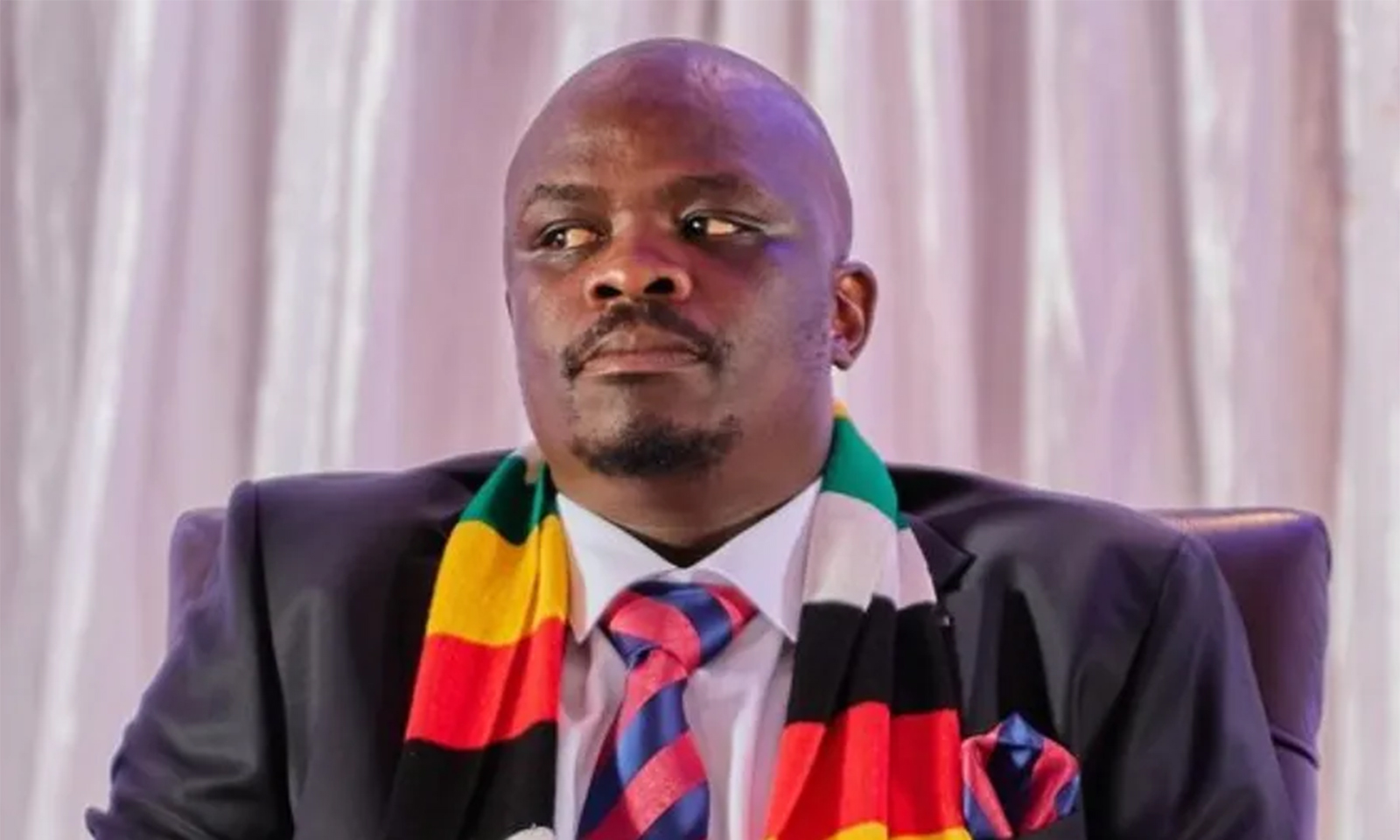
Addressing journalists, ZCF chairman Cde Taurai Kandishaya said Zimbabwe’s economic trajectory and development agenda underpin the need for constitutional refinement to sustain progress.
He pointed to infrastructure development and empowerment programmes targeting various sectors of society as evidence of the country’s forward momentum.
“We are the fastest-growing economy in the region. We are attracting investment. We are building roads, schools, and clinics. We are empowering women, youth, and students. We are industrialising rural areas,” he said.
Cde Kandishaya dismissed claims that constitutional amendments signify instability, saying such processes are common globally.
He cited several countries that have amended their constitutions as part of democratic evolution, arguing that Zimbabwe is following a path taken by both developed and developing nations.
“There is no country in the world that does not amend its Constitution. Constitutional amendment is not a sign of instability. It is a sign of maturity. It is how nations ensure their founding documents remain relevant as the world continues to evolve.”
He said the Forum views the Bill as a vehicle for sustained development through improved governance systems, adding that opposing amendments amounts to ignoring global trends and best practices.
Cde Kandishaya emphasised that the proposed Bill’s core focus is on delivering results that directly benefit citizens.
The reforms, he said, are designed to improve service delivery, justice, governance efficiency, and strengthen institutions.
“Our core message is what this Bill brings: faster justice. This Bill brings you stronger rights protection. This Bill brings you completed projects you can actually use. This Bill brings you fair elections you can trust. This Bill brings you smarter laws that work in practice,” said Cde Kandishaya.
One of the key proposals, outlined in Clauses 18 and 19, is the merging of the Human Rights Commission and the Gender Commission into a single, unified institution to improve efficiency.
Cde Kandishaya indicated that the current separation leads to duplication and delays in handling cases.
“Resources and expertise are combined. Cases are handled efficiently, and gender issues are addressed centrally as part of human rights protection.”
Cde Kandishaya also highlighted provisions in Clause 7 to raise the qualifications required for the Attorney-General to align with the standard for appointment as a Supreme Court judge.
He said this will ensure the Government receives the highest level of legal advice and strengthen decision-making processes at the national level.
“Deputy Attorney generals are already equivalent to High Court judges. Aligning the Attorney General’s qualifications with Supreme Court judges ensures institutional coherence and that the principal legal advisor holds the seniority and expertise appropriate to the office.”
The proposed Bill further provides for the dissolution of the National Peace and Reconciliation Commission (NPRC) after completing its mandate.
Cde Kandishaya noted that maintaining redundant institutions drains public resources, and the move will redirect funds to critical services.
“Streamlining government reduces duplication, eliminates unnecessary administration, and ensures that public funds are used wisely.”
On electoral matters, the Bill seeks to merge voter registration with the national ID system under the Registrar General’s Office.
“All our details are with the Registrar’s Office. So there won’t be any mistakes. This solves the problem.”
Cde Kandishaya also spoke on proposed changes to the system for electing the President, arguing they are meant to reduce disputes and promote inclusivity and stability.
He described the new system as democratic and transparent.
“After elections, your MPs form an Electoral College; they debate, negotiate, and vote. The majority wins—that is simple, democratic, transparent. All parties with seats participate; losing parties are no longer silent.”
The proposed Bill introduces provisions to enhance expertise in Parliament through the appointment of up to 10 additional Senators with specialised knowledge in fields such as economics, health, agriculture, engineering, and law.
“This solves the problem. Experts know practical laws. Doctors improve health policies. Farmers guide agriculture rules.”
Cde Kandishaya also addressed the proposal to extend the term of office for the President and Parliament from five to seven years, arguing it would ensure policy continuity.
He said shorter terms disrupt development projects and create uncertainty, while longer terms support sustained national progress.
“Longer terms reduce election-related disruption and allow policies and infrastructure projects to be completed. International examples show that seven-year terms are common in mature democracies and support effective Government,” Cde Kandishaya said.