admin
admin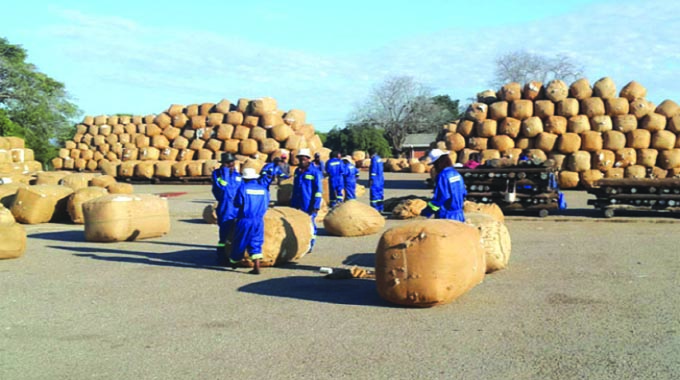
2012/2013 inputs credit scheme is now in progress at our business units countrywide and the deadline for registration is 20 September 2012,” said Cottco.
Cottco financed 135 000 growers under its inputs credit scheme during last season, which was characterised by wide differences between farmers and merchants over the cotton producer price.
For growers to qualify to register for the 2012/2013 inputs credit scheme, they are expected to have paid up their debts for this current season. Fields will be measured before disbursement of inputs under the credit scheme is done to reduce chances of farmers getting inputs from fellow growers.
“Cottco regrets to advise that it is not able to register new growers (for next season) except current participants provided they do not owe the company any money.
We urge growers to go to their nearest depots and register now to enable us to disburse inputs to you timeously,” said the company last week.
The current selling season failed to start in time following sharp differences between farmers and cotton merchants. Farmers wanted producer prices of at least US75 cents while merchants were offering a maximum of 30 cents per kilogramme.
Farmers argued that the prices cotton merchants offered barely covered the cost of inputs they received under the impression that prices would surpass the previous season average price of US80c per kg. Cotton prices have reportedly improved to a compromise level of about US75c per kg.
Cotton merchants appeared to stick to their guns over prices arguing their position was based on cotton prices on the international market, which were depressed due to excess stocks held by international buyers.
The harrowing experiences farmers went through the past farming season could result in significant reduction in the hectarage for cotton next season, as farmers
fear a repeat of what happened this year.
But analysts have argued that stakeholders need to be proactive to avoid shortchanging farmers on producer prices by analysing price levels, which are determined almost a year before the next selling season.
Zimbabwe remains largely a price taker for cotton because more than 80 percent of top grade cotton lint produced in the country is exported in its raw form due to lack of value addition.
The country produces the world’s second best quality of cotton in the world after Israel, but has to follow international prices for the “white gold” as its value addition industries remain in crisis due to lack of capital, competition and continue to shrink.



 Online Reporter