Online Reporter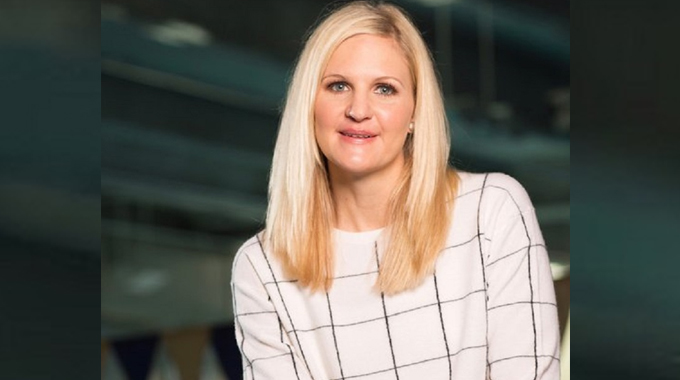
Fungai Muderere, [email protected]
As the International Olympic Committee (IOC) prepares to elect a new president, the Association of International Press (AIPS) has taken the initiative to launch a question-and-answer series, “Let’s Talk to the IOC Presidential Candidates”, an innovative platform that provides a unique opportunity for candidates to share their vision and strategies for addressing the challenges facing the IOC.
On February 24, the series kicked off with Kirsty Coventry, the Minister of Youth, Sport, Arts and Recreation in Zimbabwe’s Cabinet since September 2018, who is vying for the top post. The Sunday News, our sister publication, published the initial excerpts of Coventry’s interview, offering a glimpse into her thoughts on the pressing issues plaguing the organisation she hopes to lead.
The 41-year-old Zimbabwean is aiming to become the first female and first African to lead the 130-year-old International Olympic Committee and she is the youngest among seven candidates running to succeed Thomas Bach in the presidential election scheduled for March 20 at the 144th IOC Session in Greece.
After addressing issues to do with motherhood, gender equality and the Olympics, the celebrated former Zimbabwean swimmer fielded other questions from foreign journalists.
Oleksander Hlyvynskyi from Ukraine: As you said, you would like all athletes to take part in competitions. But when it comes to war and athletes supporting war the situation looks different, doesn’t it? What do you think about Russian athletes and the Russian flag in future Olympics?
KC: “There are complexities with each and every single conflict that’s happening around the world and it’s different for every single conflict that is going on at this point in time. It’s sad to see so many conflicts in our world today. We saw in Paris how we allowed some athletes to take part as neutral athletes and independent athletes.
“This was done on the basis of specific regulations and rules. At the end of the day, the Olympic Games need to be a safe environment for all. So, just as important as it is to have all athletes take part in the Olympic Games, it’s our duty as the IOC to ensure the safety of every single one of those athletes during Games time.
“So, we will need to ensure that we take the appropriate measures and the context of each war into account before making any final decisions. And this is how I believe we can ensure that we show respect to the countries that are going through these terrible times. It’s also a way that we can show respect to the athletes that do not have the opportunity to stand up against what their countries or leaders may be doing.”
Vincenzo Ciccone from Italy: You spoke about the need to protect the rights of all athletes, but at the Paris Olympics, for instance, Russian athletes were allowed to participate in individual sports as neutrals but not in team sports.
KC: “That’s quite a specific case because it came down to the country and in the rules that the IOC put across for Russian neutral athletes taking part in Paris. They were not allowed to be in any team sports.
THE FIGHT AGAINST CORRUPTION IN SPORT
Gianni Merlo: How can we fight against corruption, doping and match-fixing in sport?
KC: “First and foremost, there’s an incredible amount of work that already gets done by Wada, by the ITA. We as the IOC, during Games time, work with Interpol. So, we work with different agencies to help control these different match-fixing, etc, during the Games. But I think what needs to happen is we need to be proactively helping National Olympic Committees and countries develop and strengthen their rules and regulations and their laws. So, in Zimbabwe, we are a big cricket nation, so there’s a lot of match-fixing that happens in and around that sport, as well as soccer.” — FungaiMuderere