Sundaymail Editor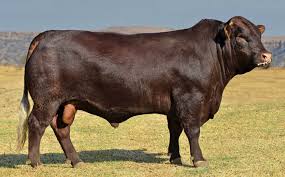
Tendai Chara
THE shelving of a national artificial insemination programme due to the coronavirus has temporarily affected efforts to increase the national cattle herd.
Chinhoyi University of Technology (CUT), in conjunction with the Veterinary Department and Agricultural Research and Extension (Arex), recently introduced the national artificial insemination programme.
Originally scheduled to start in December 2020, the programme was suspended after the outbreak of the second wave of Covid-19.
The programme – falling under the National Artificial Insemination Programme – was set to run during the breeding season, which is between December and April.
The programme targeted both communal and commercial farmers.
CUT aggressively marketed the programme through farmers’ groups and other online platforms.
Farmers are disappointed by the recent turn of events.
“This programme was going to have an immediate impact on our operations. There is a shortage of bulls in the country and artificial insemination is the way to go. In my case, it took three years for my cow to have a calf due to the shortage of bulls,” said Zororai Makunike, a Banket farmer.
“This is a major setback. We were also set to have quality bulls since the university has semen for various breeds, among them Beefmaster and Semmental.”
Artificial insemination involves injecting sperm into the female’s reproductive tract.
A CUT animal science department official, Raviro Machabango, said resumption of the programme would largely depend on “Government’s directives regarding the coronavirus”.
“Due to the coronavirus pandemic, the programme was suspended in December. The programme is only conducted during the breeding season, which is between December and April,” Machabango said.
In 2017, the university partnered the then Ministry of Higher and Tertiary Education on a programme that sought to produce quality bulls through artificial insemination.
A pilot project was undertaken in Sanyati, Mashonaland West and Tsholotsho.
The national cattle herd currently stands at 5,2 million against a target of 5,8 million set last year.



 Online Reporter