Online Reporter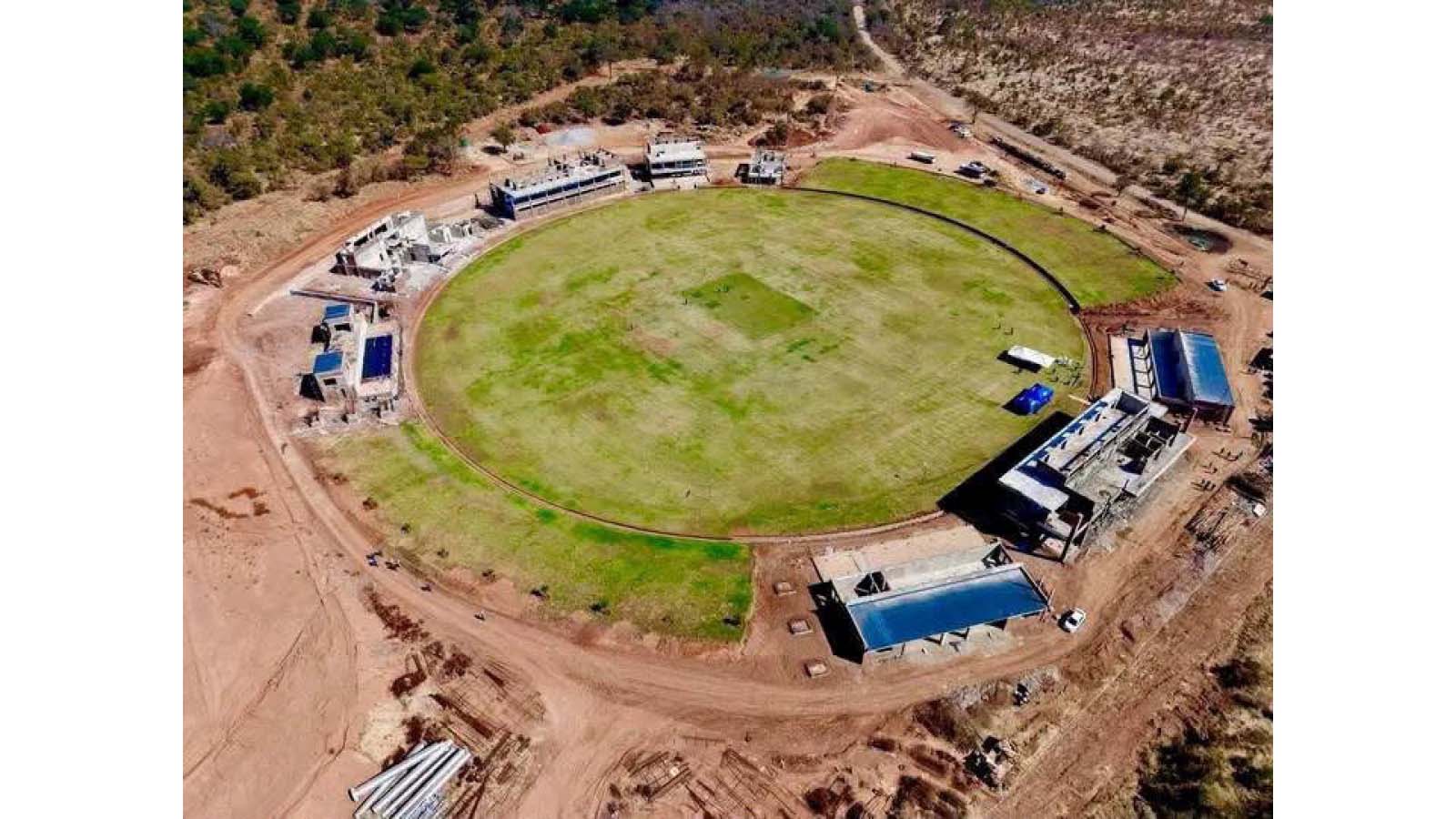
The construction of a new international cricket stadium in Victoria Falls ahead of the 2027 ICC Cricket World Cup presents Zimbabwe with a rare opportunity to create a legacy that extends far beyond the boundaries of the tournament.
While hosting ICC Cricket World Cup matches will undoubtedly place the country’s tourism capital under the global spotlight, the real measure of success will be what remains after the final ball has been bowled.
Many countries have invested heavily in sporting infrastructure only to watch it become an expensive monument after major tournaments.
In Zimbabwe we have seen the dilapidation of facilities that were constructed or upgraded for the 1995 All Africa Games, including the Aquatics Complex in Chitungwiza and the hockey facility at the National Sports Stadium. We have numerous such examples beyond our borders.
And with our lessons from the 1995 All Africa Games, Zimbabwe cannot afford to make another such mistake.
The Victoria Falls Cricket Stadium must become a vibrant centre for cricket development, sports tourism and economic activity long after the world’s best teams have departed.
There could hardly be a more fitting location for such a facility. Victoria Falls is already one of the world’s premier tourist destinations, attracting visitors from every corner of the globe.
The addition of a world-class cricket venue transforms the city into a destination capable of offering visitors both natural wonders and elite sporting entertainment. It broadens Zimbabwe’s tourism appeal by adding sports tourism to an already impressive portfolio built around adventure, wildlife and cultural experiences.
International cricket fans rarely travel only to watch matches. They seek experiences beyond the stadium.
They stay in hotels, dine in restaurants, visit tourist attractions, purchase local crafts and support transport operators.
A modern cricket stadium therefore becomes much more than a sporting venue; it is capable of generating employment and business opportunities for surrounding communities.
The benefits should also extend to Zimbabwean cricket itself. For decades, most of the country’s major cricket has been concentrated in Harare and Bulawayo. A world-class facility in Victoria Falls introduces geographical diversity and creates opportunities for cricket to flourish in new regions.
Young boys and girls in Matabeleland North and surrounding provinces will have greater access to high-level cricket and stronger reasons to dream of representing Zimbabwe on the international stage.The stadium should also become a permanent home for junior tournaments, women’s cricket, schools competitions and coaching clinics.
International teams visiting Zimbabwe should be encouraged to play bilateral matches there even after the World Cup. Such consistent use will ensure that the facility remains financially viable while continually inspiring the next generation of cricketers.
There is also significant branding value for Zimbabwe.
Television broadcasts showing international cricket against the breathtaking backdrop of Victoria Falls have the potential to market the country more effectively than conventional tourism campaigns. Every match becomes a global advertisement, reminding millions of viewers that Zimbabwe is not only blessed with natural beauty but is also capable of hosting world-class sporting events.
The successful delivery of the stadium will further strengthen confidence among international sporting bodies. It sends a message that Zimbabwe is ready to compete for the hosting rights of other prestigious events across different sporting codes.
Such confidence can unlock future investments in sports infrastructure while boosting the country’s reputation as a dependable destination for international competitions.