Online Reporter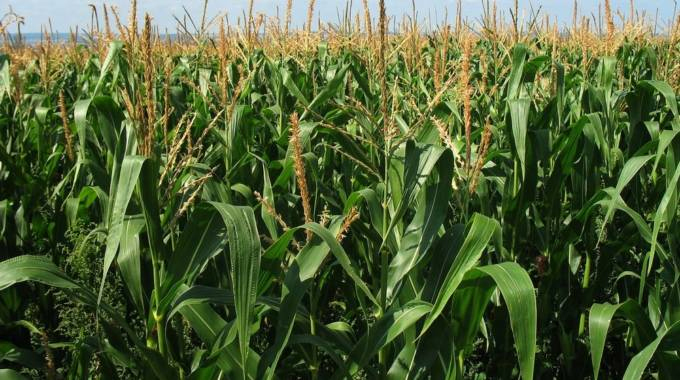
Precious Manomano
Herald Reporter
Zimbabwe’s agriculture sector has recorded a 5 percent growth, with the country indicating that there is adequate grain at the national level to meet consumption needs.
This is according to the Second Round of the Crop, Livestock and Fisheries Assessment Report (CLAFA 2) for the 2025/26 summer season, which highlights improved production across several key commodities.
As the primary sector of the economy, agriculture continues to play a pivotal role in driving economic growth and providing employment for millions of Zimbabweans.
The CLAFA 2 assessment shows that maize production increased by 2 percent, rising from 2.29 million tonnes in the 2024/25 season to 2.35 million tonnes in the 2025/26 season.
However, the overall growth masks notable provincial disparities, with some provinces registering strong gains while others experienced sharp declines.
Traditional grains production is estimated at 390 272 tonnes, comprising sorghum (290 216 tonnes), pearl millet (87 677 tonnes) and finger millet (12 379 tonnes).
Total cereal production for the 2025/26 season is projected at 2 739 712 tonnes. When combined with carry-over stocks of 136 902 tonnes from the 2024/25 season, the total cereals available amount to 2 876 614 tonnes.
Oilseed production also recorded significant growth, with soyabean output increasing by 129 percent, from 41 919 tonnes in 2024/25 to 96 129 tonnes in the current season.
Cotton production is estimated at 77 212 tonnes, up from 61 289 tonnes in the previous season, representing a 26 percent increase.
Tobacco output is also on an upward trajectory, with production estimated at 378 322 tonnes compared to 353 452 tonnes last season, reflecting a 7 percent increase.
The report further indicates that the expected cereal surplus ranges between 550 945 tonnes and 964 945 tonnes, depending on consumption patterns, reinforcing the country’s food security position.