


 Online Reporter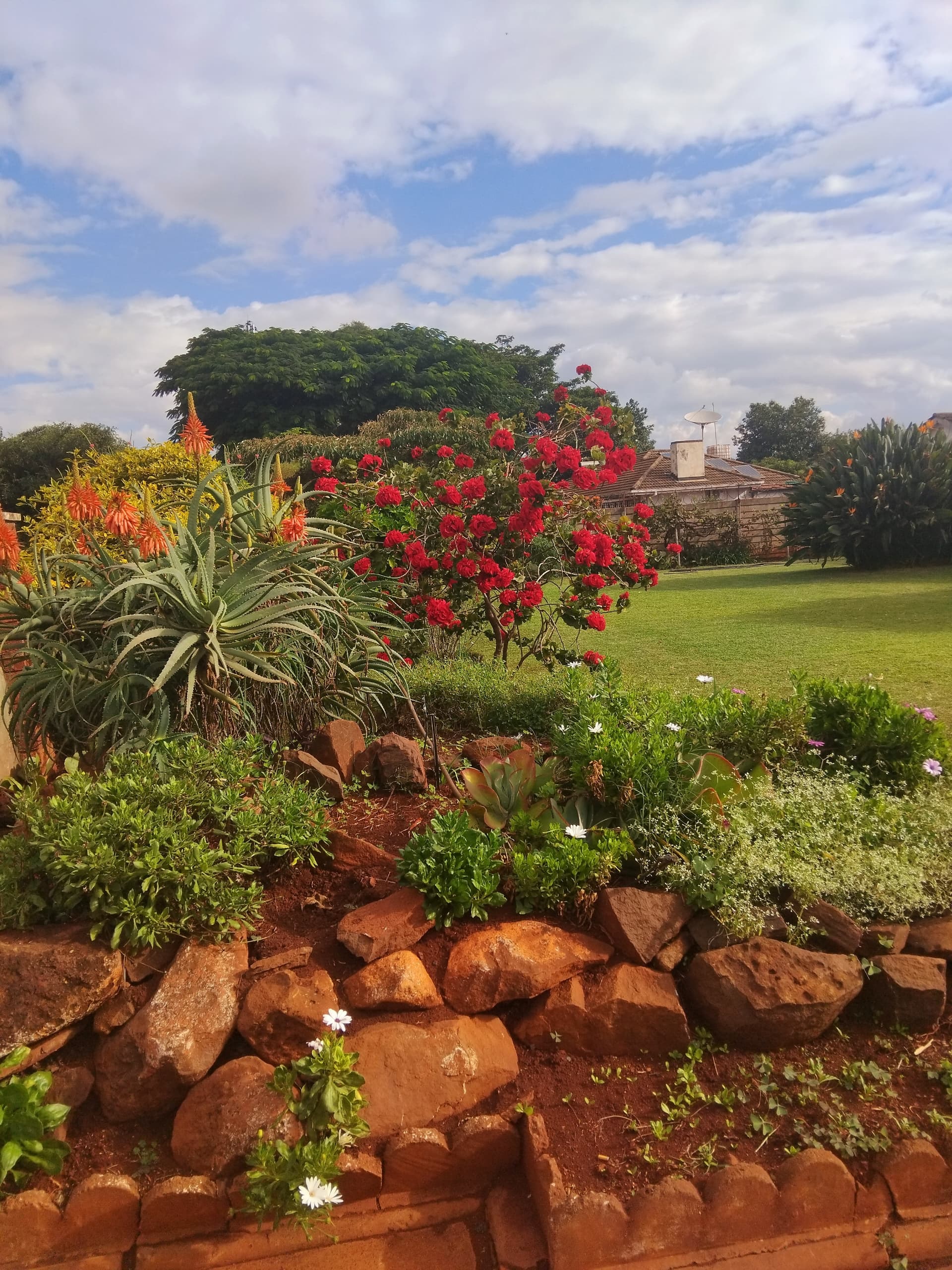
Andrew Mangwarara
DID you know that a healthy garden and a thriving wildlife population have a symbiotic relationship?
Instead of having a sterile space, promoting a garden where wildlife can flourish offers numerous benefits.
Insects, birds and small animals contribute significantly to your garden’s health. Their waste and burrowing improve soil quality. They introduce new materials, enhancing the soil’s nutrient status.
Even in a small garden, you can play a vital role in increasing biodiversity by encouraging the proliferation of different species and, in turn, help combat climate change.
So, how can you meaningfully contribute to the world by attracting wildlife to your garden?
The first step is to choose the right plants.
Always opt for indigenous species as they provide the essential food local insects and wildlife need, unlike exotic plants that often do more harm than good. The right native plants will attract a rich variety of butterflies, birds and animals.
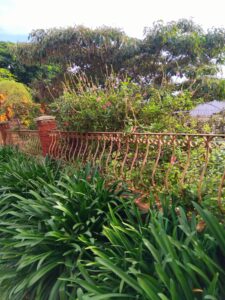
Consider planting a hedge instead of installing a boundary fence.
You can also make or buy cosy wildlife houses or structures. And a ready-made pond will attract birds, bats and insects alike. One of the easiest ways to bring life into your garden is to ensure a constant water supply. A large pond often does the trick, providing a crucial water source on hot days.
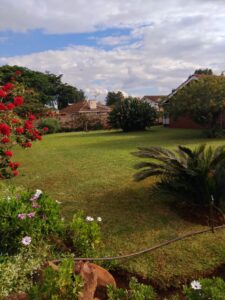
Another excellent way to attract wildlife is to offer supplementary meals like seeds and nuts. Instal bird feeders for birds, but remember not to overdo it; animals should not become too dependent on humans for survival. When designing your garden, try to leave some wild spaces. These areas will naturally attract wildlife. Long grass, for example, draws in small animals, which in turn attract predators.
You can also create a meadow by growing a mixture of wildflowers and grasses, which will attract plenty of animal and insect life.
Planting trees is another fantastic way to create a biodiversity-rich area.
At all costs, avoid pesticides. They will kill and even repel many beneficial insects and animals. Sadly, pesticides become more toxic as they move up the food chain, with larger birds often dying from eating contaminated insects.
To ensure a continuous food source for different insects and animals, plan your planting calendar for year-round blooms. Place old wood logs in the wilder areas of your garden.
Finally, compost your garden waste as much as possible. This generates heat for small insects and helps replenish your soil, often eliminating the need for expensive chemical fertilisers.
A garden is never truly complete as a lifeless place of beauty; it needs movement to truly come alive!
If you would like to be featured in our green-up campaign, contact us on the number above. Feedback: [email protected] or [email protected]



 Bongani Ndlovu