Online Reporter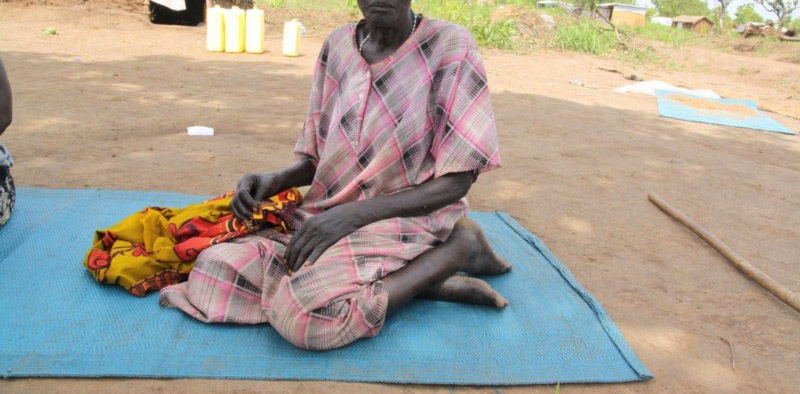
Rodgers Irimayi
Cultural Perspectives
IN a remote village in Chipinge, 78-year-old Mai Rudo sits on a wooden stool outside her hut, her hands trembling as she speaks.
“They say I fly at night. That I eat people’s souls. But all what I have is hunger and loneliness,” she said.
Her words echo a fear that has spread through rural Zimbabwe for generations, the fear of witchcraft. The notion that old age is linked to witchcraft can have a significant impact on the young generation in perpetuating negative stereotypes.
Across the country, elderly men and women, particularly widows, are alleged to be witches and wizards, and are accused of causing sickness, death, and misfortune through supernatural means.
These accusations are more than superstition; they reveal a society struggling with poverty and the erosion of traditional respect for age.
In the Zimbabwean culture, belief in witchcraft, uroyi among the Shona, and ubuthakathi among the Ndebele, remains deeply embedded in the social fabric.
When misfortune strikes, people often seek explanations beyond the visible, and somebody has to be responsible for it.
As anthropologist, George Mavhunga notes, witchcraft accusations “function as a moral language through which communities express anxiety, jealousy, and social tension.”
The elderly, with their long memories, traditional knowledge, and social isolation, often become the symbolic targets of those fears.
In earlier generations, old age was associated with wisdom and authority. Elders were keepers of ancestral traditions, mediators of conflict, and teachers of oral history.
The stigma surrounding old age can lead to a breakdown in relationships between young people and older adults, resulting in missed opportunities for knowledge sharing, mentorship, and cultural transmission.
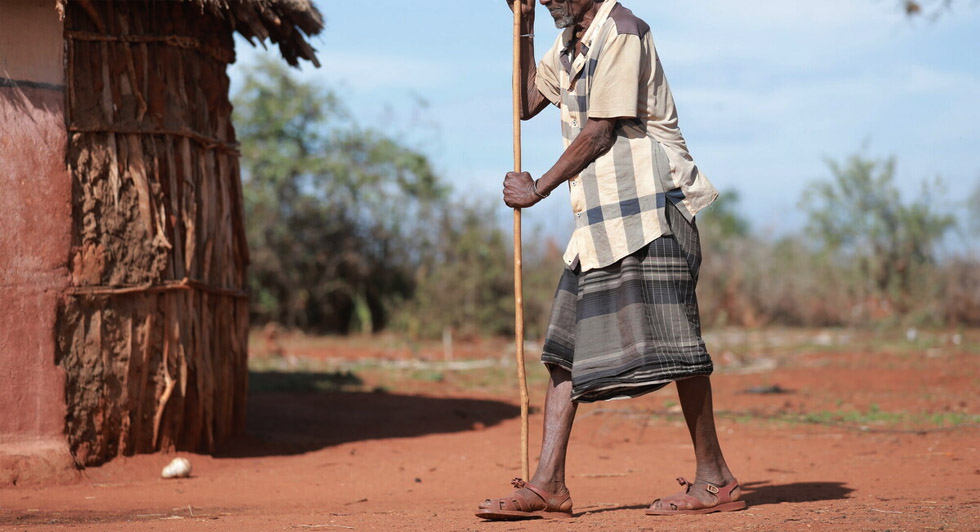
Modernisation has changed the social balance that existed and rapid urbanisation, migration, and economic hardship have fragmented extended family structures, and weakened the reverence once afforded to older people. Sociologist, Rudo Gaidzanwa argues that the shift towards nuclear households and urban lifestyles has “disempowered rural elders and turned age from a symbol of wisdom into a marker of vulnerability.”
The negative impact is that it influences on self-perception and young people may begin to view aging as something shameful or undesirable, potentially affecting their self-esteem and body image as they grow older.
In many rural communities, that vulnerability has become dangerous. Disputes over land, inheritance, and resources often fuel witchcraft accusations.
“A land-hungry relative might accuse a grandmother of witchcraft to justify seizing her property,” says a field officer with HelpAge Zimbabwe.
The organisation has documented numerous cases where older women were evicted, beaten, or even killed following accusations of causing deaths or bad luck to family members.
Economic desperation also feeds these fears. Zimbabwe’s prolonged economic crisis has created poverty levels that tear at the social fabric.
When crops fail or jobs disappear, someone must be blamed.
“It is easier to accuse a poor old woman of witchcraft than to confront structural poverty,” said Father Ncube, a Bulawayo-based Roman Catholic Church priest involved in elder protection work.
In 2023, two elderly sisters in Masvingo were attacked by villagers after being accused of killing a young man through witchcraft, one of several such incidents reported that year in The Herald in 2023.
Ironically, the colonial laws designed to suppress witchcraft accusations have also complicated the problem.
The Witchcraft Suppression Act of 1899, still partly in force, criminalises accusing anyone of witchcraft.
While this law is aimed to protect the accused, it also silenced open discussion of witchcraft-related conflicts.
Legal scholar, the late Professor Gordon Chavunduka argued that the law “prevented African communities from using traditional mechanisms to manage accusations, forcing the issue underground where it festers unchecked.”
This tension between belief and legality continues to shape how Zimbabweans talk about the unseen.
Religious and social media influences have added new layers to these old fears.
The growth of Pentecostal and prophetic churches has brought a modern language of “deliverance” and “spiritual warfare,” where pastors claim to expose and exorcise witches.
Many of these sermons, televised and shared on social media, portray elderly relatives as the source of curses or demonic attacks.
“This blending of traditional witchcraft imagery with Christian demonology has intensified suspicion towards older women,” noted Mavhunga. “It re-imagines them as enemies of progress, not protectors of tradition.”
Yet, there are efforts to change the narrative. Organisations such as HelpAge Zimbabwe and Justice for the Elderly Trust (JET) have launched campaigns to educate communities, train police, and promote elder rights.
Their programmes emphasise dialogue, restorative justice, and intergenerational understanding rather than accusation.
According to JET, community dialogues involving traditional chiefs and church leaders have reduced witchcraft-related violence in parts of Midlands and Manicaland provinces.
Still, progress remains fragile. In deeply traditional areas, poverty and superstition continue to fuel fear.
“When people are desperate, they return to the explanations they trust even if those explanations destroy lives,” says Gaidzanwa.
As the sun sets over Chipinge, Mai Rudo tends a small fire and prepares a meal of sadza and greens.
Her neighbours no longer visit her.
“I used to tell stories to the children,” she says softly. “Now they run when they see me. They think I have powers. But if I had magic, I would make myself young again.”
Her words carry a bitter truth, the curse Zimbabwe’s elderly face is not witchcraft, but neglect, ignorance, and the fear of change.
In a society that once revered its elders, they are now too often branded as enemies of fortune, punished not for what they have done, but for what they represent.
Older adults with dementia, mental health issues, or other conditions may even be perceived as “different” or “possessed,” leading to accusations of witchcraft.
To address these issues, it is essential to promote positive representations of aging and older adults, encouraging young people to value and respect their elders.
Let us demystify the link between old age and witchcraft, promoting a society that values and respects all ages.
Rodgers Irimayi is the Ministry of Information, Publicity and Broadcasting Services Masvingo Provincial Information Officer. He writes in his personal capacity and can be contacted on +263778246098 or [email protected]. He can also be followed on his YouTube channel, Culture Views with Judah Kalispokaz