tawandamusarurwa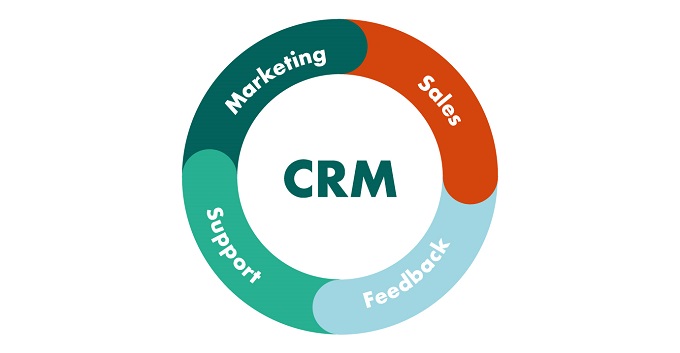
CUSTOMER relationship management (CRM) refers to practices, strategies and technologies that companies use to manage and analyse client interactions and data.
Entrepreneurship Matters
Dr Kudzanai Vere
The goal is to improve business relationships with customers, retaining them and driving sales growth.
In today’s highly competitive business landscape, CRM is a critical tool for organisations to sustain their growth and profitability.
At the core of any successful business is a strong relationship with its customers. Customers are the lifeblood of any organisation, and without them, no business can exist.
Therefore, it is essential to understand and meet their needs, keep them engaged and ensure their satisfaction to retain their loyalty and maximise their lifetime value.
This is where CRM comes in. It provides businesses with a systematic way to manage customer interactions, track the behaviour of clients and personalise their experiences.
By leveraging on CRM, organisations can gain valuable insights into their customers’ preferences, behaviours and purchase patterns, enabling them to tailor their products, services and marketing efforts to meet individual client needs.
Moreover, CRM enables businesses to streamline their sales, marketing and customer service processes, thereby improve their efficiency and effectiveness.
For example, sales teams can use CRM to manage their leads, track their sales activity and monitor their performance, enabling them to prioritise their efforts, close deals faster and increase revenue.
Similarly, marketing teams can use CRM to segment their customer base, develop targeted campaigns, and track their return on investment, enabling them to reach the right customers with the right message at the right time.
CRM also enables businesses to deliver a superior customer experience across all touch points, including pre-sales, sales and post-sales support.
By providing personalised, relevant and timely interactions, businesses can build stronger relationships with their clients, increase customer satisfaction and loyalty, and reduce churn.
But how does CRM contribute to organisational sustainability?
First and foremost, CRM helps businesses to retain their existing customers, which is far more cost-effective than acquiring new ones.
According to research by Bain & Company, increasing customer retention rates by just 5 percent can increase profits by 25 percent to 95 percent.
By using CRM to understand and meet their clients’ needs, companies can reduce customer churn, increase customer satisfaction and generate repeat business, ensuring a stable revenue stream and long-term sustainability.
CRM also helps businesses to identify and capitalise on new opportunities for growth.
By analysing customer data, businesses can identify new market segments, understand emerging trends and develop new products and services that meet changing customer needs. Moreover, CRM can help businesses to cross-sell and upsell to their existing customers, maximising their lifetime value and revenue potential. Finally, CRM helps businesses to build a culture of customer-centricity, where clients’ needs and preferences are at the forefront of decision-making.
By embedding CRM into their organisational processes and systems, businesses can create a unified view of their clients, enabling them to align their strategies and operations around customer needs.
This, in turn, can lead to greater customer satisfaction, loyalty and advocacy, as well as a stronger reputation and brand image, which is critical for long-term sustainability.
In conclusion, CRM is a key driver of organisational sustainability, enabling businesses to understand, engage and satisfy their customers, while streamlining their sales, marketing and customer service processes.
By leveraging on CRM, businesses can retain their existing customers, identify new growth opportunities and build a customer-centric culture that drives long-term success. Therefore, businesses that invest in CRM will be better positioned to compete and thrive in today’s dynamic business landscape.
Dr Kudzanai Vere is the managing partner at Kudfort Zimbabwe, an accounting firm that has assisted a number of organisations formalise and standardise operations. He is a published author and transformational speaker in entrepreneurship, personal development, accounting and assurance. You can contact Dr Vere on: +263 719 592232 or [email protected]



 Online Reporter